Prioritize authenticity and deep community engagement over generic celebrations.
Integrate local Black history and unsung heroes through interactive workshops and storytelling.
Create inclusive programming that connects youth with elders and fosters intergenerational dialogue.
Showcase the breadth of Black creativity through diverse performances and visual arts.
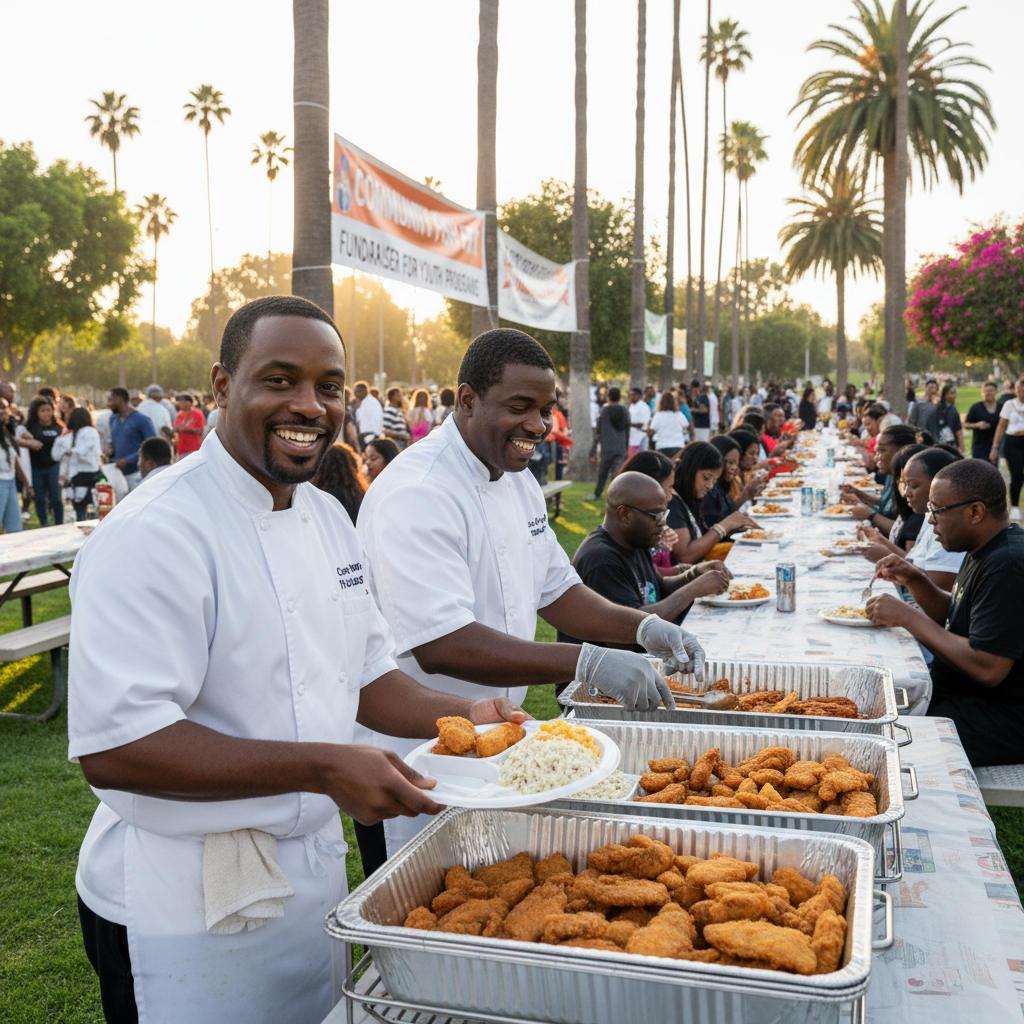
Elevate cultural heritage through culinary experiences, featuring Black chefs and diaspora cuisine.
Build impactful events by strategically partnering with and hiring Black-owned businesses and culturally aligned vendors.
Crafting Meaningful Experiences: Beyond the Standard Observance
Black History Month events in 2026 should move beyond perfunctory celebrations to create truly meaningful experiences by deeply engaging with local history, facilitating interactive learning, and fostering genuine community connection. The goal is not just to commemorate, but to educate, inspire, and empower attendees through authentic programming that resonates long after February concludes. This means shifting the focus from passive observation to active participation, encouraging attendees to delve into the rich narratives and contributions often overlooked in broader historical accounts.
Incorporating Local History and Figures
Every city, every neighborhood, holds untold stories of Black resilience, innovation, and struggle. For 2026, challenge your planning committee to uncover these local narratives. Instead of generic tributes to national figures, spotlight the Black doctors, artists, educators, activists, and entrepreneurs who shaped your specific community. Organize walking tours led by local historians, or create interactive exhibits that map out significant Black historical sites. Consider commissioning local Black artists to create murals or installations that depict these stories, providing a lasting visual legacy. These localized approaches make history tangible and personally relevant for attendees.
Interactive Workshops and Skill-Sharing
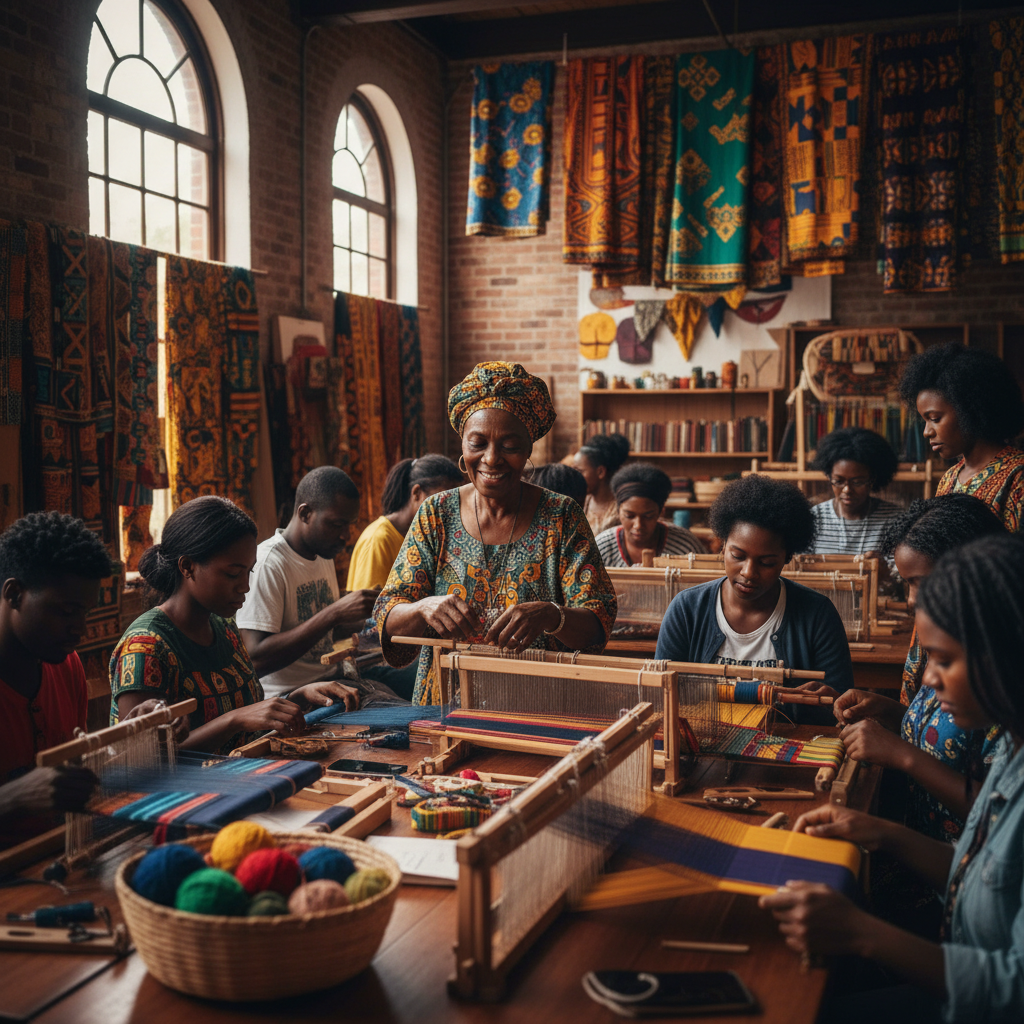
Move beyond lectures. Design events around hands-on workshops that celebrate Black culture and foster skill development. Think genealogy research sessions that help families trace their roots, traditional craft workshops (e.g., quilting, natural hair braiding, pottery inspired by African art), or even financial literacy seminars led by Black economic experts. These workshops offer practical value while reinforcing cultural identity and collective empowerment. You can find experienced facilitators for these sessions by browsing educational and community service providers on Ajola, ensuring you connect with professionals who understand and respect the cultural context.A vibrant community workshop in progress, with diverse African American adults and teenagers learning to weave traditional patterns from an elder instructor, their faces lit with concentration and engagement. The room is brightly lit with natural light, and colorful textiles hang in the background.
Engaging the Community: From Youth to Elders
Effectively engaging the entire community, from the youngest attendees to respected elders, is paramount for Black History Month events to cultivate a sense of shared heritage and continuity. This requires programming that caters to different age groups while also creating opportunities for intergenerational dialogue and mentorship, bridging historical knowledge with contemporary experiences.
Youth Empowerment Initiatives
For young people, Black History Month can be a powerful catalyst for identity formation and aspiration. Organize youth-focused events like STEM workshops featuring Black innovators, storytelling competitions where kids share tales of their heroes, or art contests that encourage creative expression of Black history. Consider a