Authenticity is paramount when hiring Afro-Caribbean dancers; prioritize groups with genuine cultural roots and expertise in styles like Soca, Dancehall, Salsa, Merengue, or traditional African dances.
Budgeting for professional dancers typically ranges from $500-$2,000+ per event, depending on the number of performers, duration, and costume complexity.
Clearly define your event's theme, audience, and desired energy level to help prospective dance groups tailor their performance to your specific needs.
Always review portfolios, testimonials, and video clips to assess skill level and stage presence before making a booking decision.
Utilize platforms like Ajola to connect with vetted Afro-Caribbean dance troupes and streamline your vendor selection process.
Hiring the right entertainment can elevate an Afro-Caribbean themed event from enjoyable to unforgettable. Dancers, in particular, are the heartbeat of such celebrations, bringing vibrant energy, authentic cultural expression, and interactive fun that captivates guests. But where do you begin when seeking professionals who truly embody the spirit of the Caribbean and Africa?
What types of Afro-Caribbean dance styles are best for event entertainment?
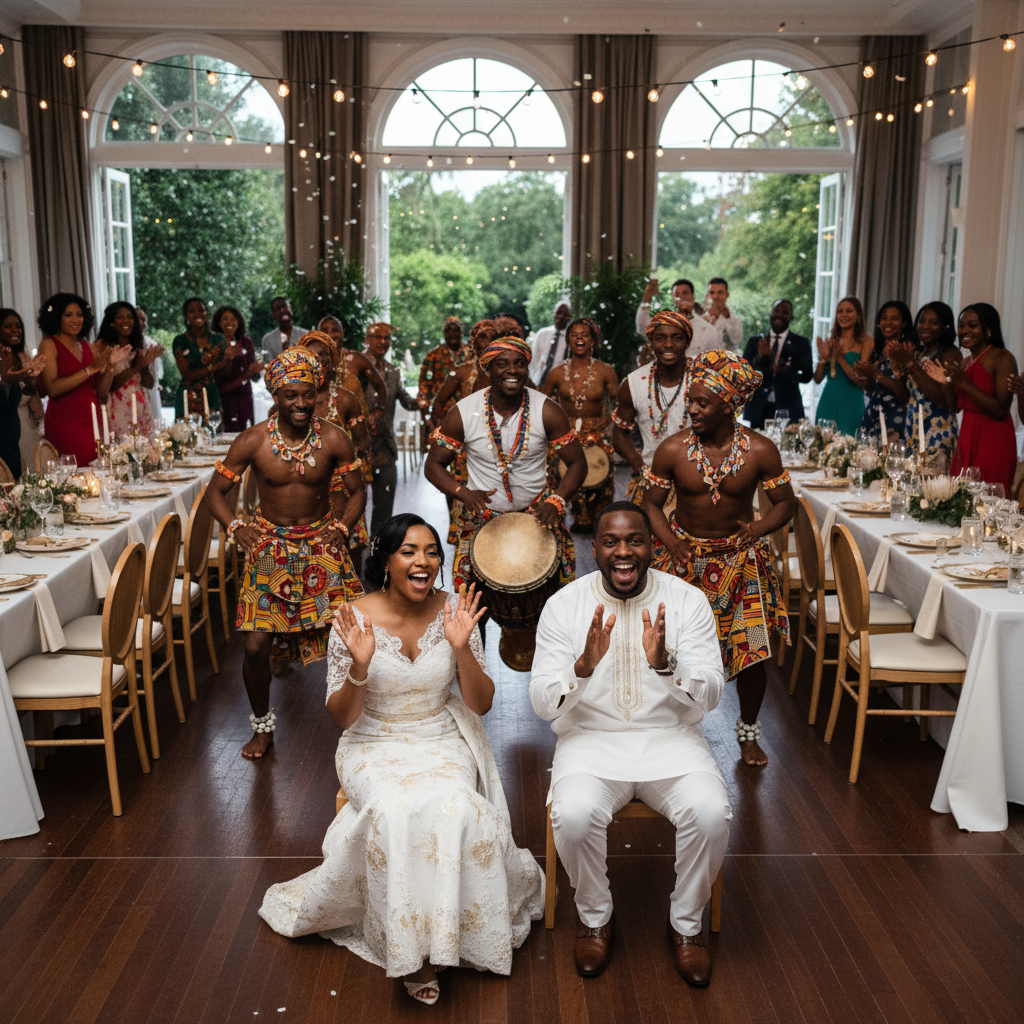
Choosing the right dance styles is crucial for setting the desired ambiance at your Afro-Caribbean themed event. The best types of Afro-Caribbean dance styles for event entertainment often include a dynamic mix of high-energy carnival dances like Soca and Dancehall, the elegant rhythms of Salsa and Merengue, and the rich storytelling of traditional African dances such as West African Djembe or Afro-Cuban Orisha movements. These styles not only provide visual spectacle but also invite audience participation, making the experience truly immersive and memorable.
For a high-energy, festive atmosphere, Soca and Dancehall performers are unparalleled. Their infectious rhythms and dynamic movements instantly get guests on their feet. Think vibrant costumes, intricate footwork, and a contagious energy that mirrors the spirit of Carnival. If your event aims for a more sensual and partnered feel, Salsa, Bachata, and Merengue dancers can offer stunning choreographed routines and even lead mini-lessons for your guests, bridging entertainment with interaction. For a truly authentic cultural experience, consider troupes specializing in traditional African dances, often accompanied by live drumming. These performances offer a deep dive into the historical and spiritual roots of the diaspora, providing both entertainment and education.
Matching Dance Style to Event Vibe
Carnival & Street Fair: Soca, Dancehall, Jouvert-inspired performances.
Elegant Gala/Reception: Salsa, Bachata, Merengue, or contemporary Afrobeat fusion.
Cultural Festival/Educational Event: Traditional West African, Afro-Cuban, or Haitian folkloric dances.
Private Party/Birthday: A mix, often starting with a performance and transitioning to audience participation.
When you browse for event entertainment on Ajola, you'll find a diverse range of dance groups specializing in these styles, ready to bring their unique flair to your celebration. Be sure to specify the desired energy and cultural focus in your inquiry.
A group of five Black and Afro-Caribbean dancers in vibrant, feathered carnival costumes, mid-performance on a brightly lit stage, with joyous expressions and dynamic poses. Shot on Canon EOS R5, 35mm lens, natural lighting, editorial photography.
How much does it cost to hire Afro-Caribbean dancers for an event?
The cost of hiring Afro-Caribbean dancers varies significantly based on several factors, including the number of performers, the duration of their performance, the complexity of costumes, and their experience level. Generally, you can expect to budget anywhere from $500 to $2,000+ for a professional dance troupe for a typical event, with rates often higher for larger groups, longer engagements, or peak season bookings. Always request a detailed quote that outlines all services included, such as travel, setup, and costume changes.
A solo dancer or a duo might charge between $250-$700 for a 30-minute performance. A troupe of 3-5 dancers, which is often ideal for a impactful show, could range from $800-$1,800 for a 45-60 minute set, potentially including a costume change and audience interaction segment. Larger productions, like those mimicking a full Carnival parade with 8-10+ dancers and live musicians, could easily exceed $2,500. Factors like specialized props, custom choreography, or requests for multiple sets across a longer event duration will also increase the overall investment.
Pro Tip: Don't just compare prices. Consider the value. A slightly higher investment in a truly professional and culturally authentic group often translates to a much more memorable and engaging experience for your guests.
When discussing your budget with potential vendors, be transparent about your expectations and constraints. Many groups are willing to tailor their packages to fit different budgets, perhaps by adjusting the number of dancers or the length of their performance. Finding talented performers for your budget is easier when you can compare options side-by-side, which is precisely what Ajola offers for entertainment vendors.
What should event planners look for when vetting Afro-Caribbean dance groups?
When vetting Afro-Caribbean dance groups, event planners should prioritize authenticity, professionalism, and a strong performance portfolio to ensure a seamless and impactful addition to their event. Look for groups that demonstrate genuine cultural understanding and experience in the specific dance forms you're seeking, as evidenced by their training, past performances, and the quality of their costumes. Additionally, assess their communication, reliability, and ability to engage with diverse audiences, which are crucial for a successful partnership.
First and foremost, authenticity and cultural sensitivity are non-negotiable. Ensure the group has a deep understanding and respect for the cultural origins of the dances they perform. Ask about their background, training, and how they maintain the integrity of the art form. This is especially important for events celebrating heritage, like a Juneteenth celebration where you might want specific cultural elements integrated.
Next, evaluate their performance portfolio. Request video reels of live performances, high-quality photos, and client testimonials. This gives you a clear picture of their skill level, stage presence, and how they interact with an audience. Pay attention to costume quality—are they vibrant, well-maintained, and appropriate for the dance style? For example, the elaborate attire for a Carnival-themed party should be distinctly different from that for a traditional African ceremony.
Professionalism and reliability are equally vital. Do they respond promptly to inquiries? Are their contracts clear and comprehensive? A professional group will have insurance, clear booking terms, and a readiness to collaborate on your event vision. Don't hesitate to ask for references from past clients. On Ajola, you can review vendor profiles and read testimonials from other event planners, making your vetting process much smoother.
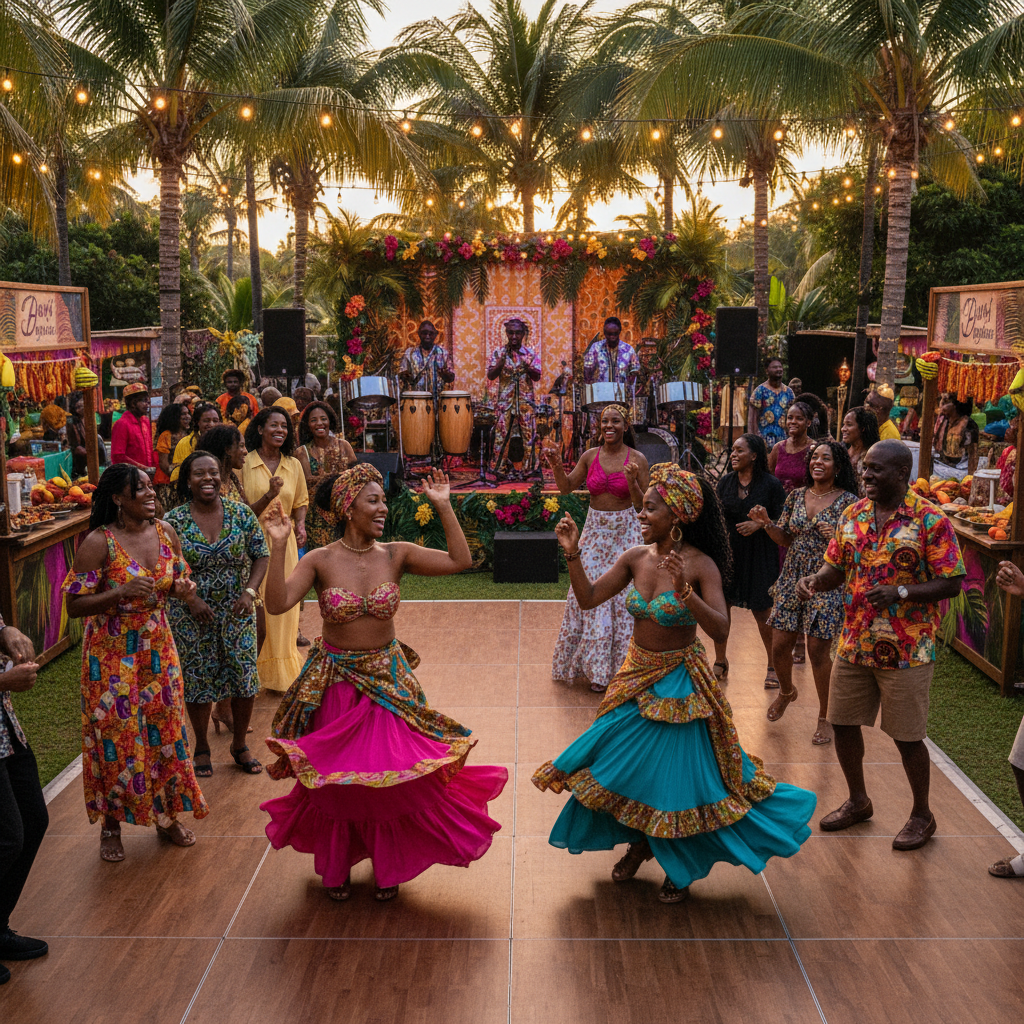
A vibrant outdoor Afro-Caribbean themed party scene at dusk, with guests laughing and dancing alongside two Black female dancers in colorful, flowing skirts and headwraps, leading a line dance. Warm string lights illuminate the festive atmosphere. Shot on Canon EOS R5, 35mm lens, natural lighting, editorial photography.
How can Afro-Caribbean dancers enhance audience engagement at an event?
Afro-Caribbean dancers are masters of audience engagement, possessing a unique ability to transform spectators into active participants through their infectious energy and interactive performance styles. They enhance engagement by not only delivering captivating choreographed routines but also by inviting guests onto the dance floor for simple steps, leading call-and-response chants, and often incorporating elements of cultural storytelling or mini-lessons. This direct interaction breaks down barriers, fosters a sense of community, and creates an unforgettable, immersive experience for everyone present.
Many dance groups excel at more than just performing; they are skilled entertainers who understand how to draw a crowd in. After their initial choreographed set, they can transition into a mini-dance lesson, teaching guests basic steps to Salsa, Merengue, or a popular Dancehall move. This is incredibly effective for breaking the ice and getting everyone comfortable on the dance floor. Imagine your guests learning a few moves and then dancing alongside the professionals; it's an instant energy booster!
Call-and-response interactions, often paired with live drumming or upbeat music, are another powerful tool. Dancers can engage guests with vocal cues or rhythmic clapping patterns, creating a communal rhythm that resonates through the space. Some groups even offer