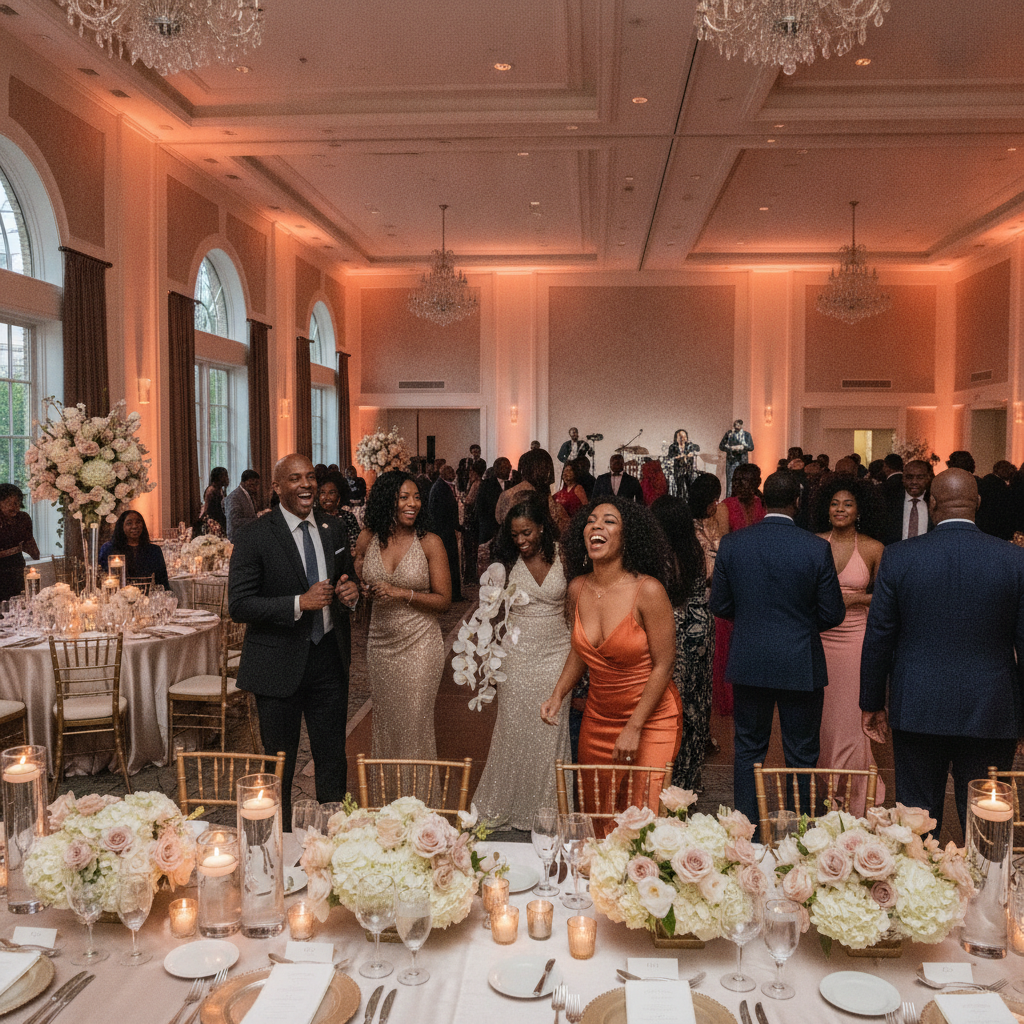
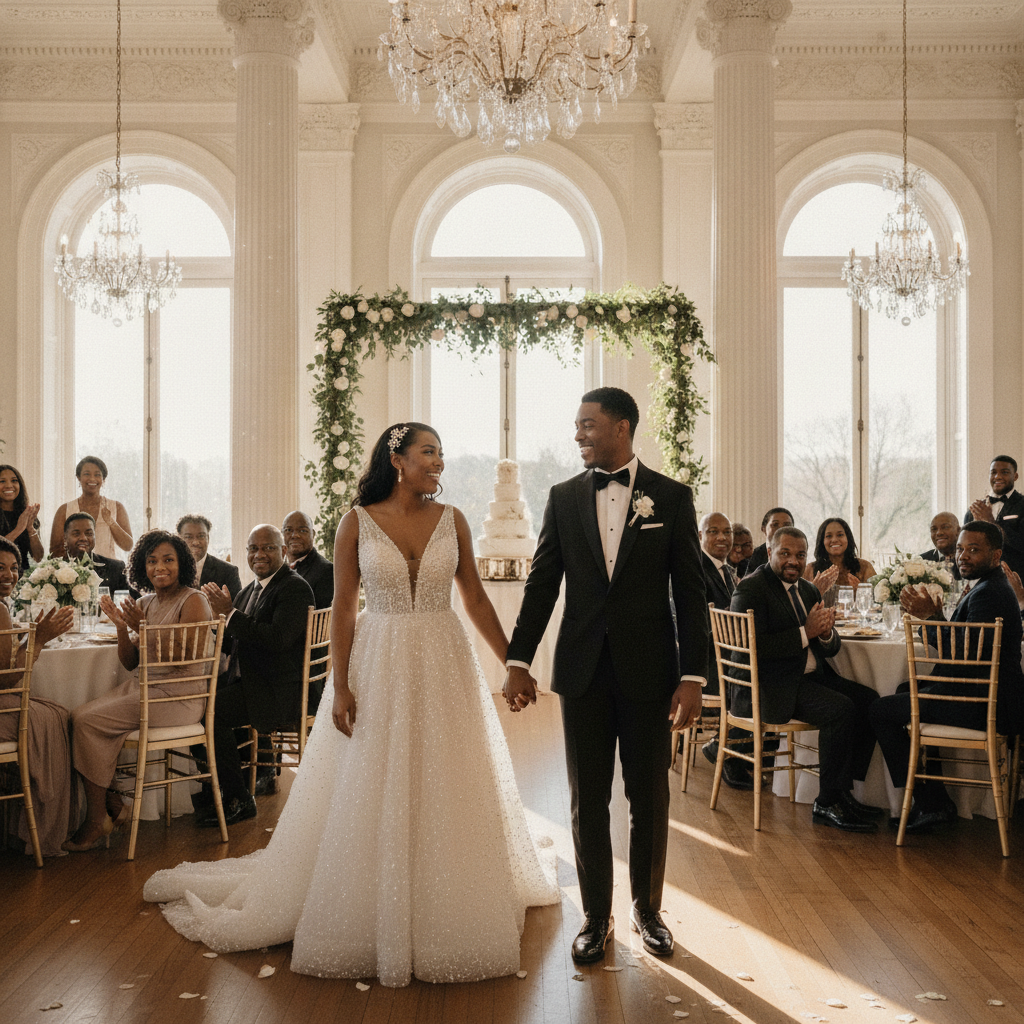
New Orleans venue negotiation thrives on understanding seasonal demand, especially during peak times like Mardi Gras and Jazz Fest.
Always secure multiple quotes and clearly define your non-negotiables before engaging in price discussions.
Flexibility with dates (weekdays, off-season) and event duration can significantly reduce venue costs.
Negotiate beyond the base rental fee, focusing on inclusions like AV, setup time, and preferred vendor lists.
Leverage platforms like Ajola to compare venue options and connect with diverse, local vendors.
Navigating venue pricing in New Orleans is less about finding a deal and more about mastering the art of the strategic conversation. This city, rich with culture and vibrant energy, offers an unparalleled backdrop for events, but its unique charm often comes with a premium. For African American and Afro-Caribbean event planners and hosts, understanding the rhythm of the market – from the historic French Quarter ballrooms to the lush Garden District estates – is the first step in securing a space that aligns with both your vision and your budget.
Understanding the New Orleans Venue Landscape
The New Orleans venue landscape is incredibly diverse, offering everything from historic plantations and grand ballrooms to intimate courtyards and modern industrial spaces. Knowing the nuances of its peak seasons, which include Mardi Gras, Jazz Fest, and the popular fall wedding months (September-November), is crucial for effective negotiation, as demand drives prices significantly higher during these times.
New Orleans venues often categorize their pricing based on location, historical significance, capacity, and included amenities. For instance, a historic French Quarter courtyard might command a base rental fee of $3,000-$8,000 for an evening, while a larger, modern event hall outside the immediate tourist core could start from $2,000-$6,000. Understanding these baseline ranges and the factors influencing them allows you to set realistic expectations and identify areas for potential savings. Flexibility with your event date, particularly opting for weekdays or the slower summer months (July-August), can often yield significant discounts, sometimes 20-30% off peak rates.
The Impact of Seasonality and Special Events
New Orleans experiences distinct ebbs and flows in its event calendar. Mardi Gras season, typically from January to March, and the spring festival season (Jazz Fest, French Quarter Fest) see venues booked solid and prices at their absolute highest. During these times, negotiation leverage is minimal. Conversely, the intense heat and humidity of July and August often lead to lower demand, making it an opportune time to secure better rates or added value. Similarly, booking a Sunday through Thursday can often shave 15-25% off a Friday or Saturday night rate.
Common Venue Pricing Structures
Most New Orleans venues operate on one of three pricing models: a flat rental fee, a food and beverage minimum, or a combination. A flat rental fee covers the use of the space for a set number of hours. A food and beverage minimum requires you to spend a certain amount on catering and drinks, with the venue waiving or reducing the rental fee if met. Understanding which model a venue uses will dictate your negotiation approach. For instance, if there's a high food and beverage minimum, you might negotiate for extended event time or upgraded bar packages instead of a lower rental fee. When searching for the perfect spot, remember you can always browse venues on Ajola to compare different structures and offerings across the city.
An elegant African American couple in their late 30s, dressed in festive attire, smiling and toasting champagne glasses in a beautifully decorated historic courtyard in the French Quarter of New Orleans during a warm evening event. Spanish moss hangs from trees, string lights glow, and guests mingle softly in the background. Shot on Canon EOS R5, 35mm lens, natural lighting, editorial photography.
Researching and Building Your Leverage
Effective negotiation starts long before you ever speak to a venue coordinator; it begins with diligent research and a clear understanding of your own event's needs. The more informed you are, the stronger your position at the negotiation table.
Start by clearly defining your event's scope: guest count, desired atmosphere, must-have amenities, and a realistic budget range. Obtain quotes from at least three to five comparable venues. This market intelligence is your most potent weapon. When you can confidently say, "Venue X offers similar services for $Y," you establish a credible benchmark for discussion. Don't be afraid to cast a wide net; explore options in different neighborhoods beyond the immediate tourist hotspots, as areas like Mid-City, Uptown, or the Bywater might offer hidden gems with more flexible pricing. Utilize platforms like Ajola to connect with a diverse array of venue owners and managers who understand the unique needs of our community.
Defining Your Non-Negotiables and Flexibilities
Before any conversation, list your absolute must-haves versus your nice-to-haves. Is a specific date non-negotiable, or could you shift to a Sunday or a weekday for a better rate? Is a particular catering style essential, or are you open to the venue's in-house options if it saves costs? For example, if you're planning a baby shower, while a specific date might be important, perhaps you could explore different brunch catering ideas to optimize your budget, even if they're not from the DMV area, the principles are similar. Brunch catering ideas for baby showers in DMV could spark some inspiration for New Orleans.
Understanding where you can compromise gives you currency in negotiations. Venue managers are often more willing to work with clients who demonstrate flexibility, as it helps them fill dates that might otherwise remain open. Be transparent about your budget from the outset; a good venue partner will try to find solutions within your parameters rather than pushing you towards options you can't afford.
Crafting Your Negotiation Strategy
Approaching venue negotiation with a clear strategy can transform a simple inquiry into a successful partnership. It’s about more than just asking for a lower price; it’s about demonstrating value and building rapport.
Begin by expressing genuine enthusiasm for the venue and clearly articulating why it's a perfect fit for your event. This establishes a positive tone. Then, present your budget and highlight any flexibilities you have, such as alternative dates or times. Instead of just stating a lower number, propose a win-win scenario. For example, "We love your space for our corporate gala, but our budget for a Saturday evening is closer to $6,500. Would you consider that rate if we book a Friday, or perhaps an earlier Sunday afternoon slot?" This shows you've done your homework and are seeking a collaborative solution.
Leveraging Multiple Bids and Off-Peak Opportunities
Having competing offers from similar venues is your strongest bargaining chip. Politely inform your preferred venue that you have other strong contenders and are making a final decision. Ask if there's any flexibility in their pricing or if they can offer additional value to secure your booking. This often prompts them to sweeten the deal. Furthermore, targeting off-peak dates or less popular time slots (e.g., Sunday morning, Monday evening) significantly increases your chances of securing a discount. Venues would rather book a slot at a slightly reduced rate than leave it empty.
Asking for Value-Adds Instead of Just Discounts
If direct price reductions are difficult, pivot to asking for value-adds. This is where creative negotiation shines. Instead of a $500 discount, could they include: an extra hour of event time (worth $300-$500), upgraded linens, a complimentary champagne toast, use of their in-house sound system, or a discounted rate on a bridal suite if it's a wedding? These additions can significantly enhance your event without impacting the venue's core profit margin on the rental fee. Also consider asking for flexibility on preferred vendor lists – can you bring in your own caterer from Ajola, or use an independent DJ from Ajola, if it means saving on their in-house options?
A group of Black event planners and venue managers reviewing contracts and discussing details around a large table in a modern, well-lit New Orleans event space. They are professionally dressed, engaged in conversation, with laptops and documents spread out. Shot on Canon EOS R5, 35mm lens, natural lighting, editorial photography.
Key Negotiation Points Beyond the Rental Fee
The base rental fee is just one piece of the puzzle. Savvy planners in New Orleans know to scrutinize and negotiate every line item in a venue contract. Overlooking these details can lead to unexpected expenses that quickly inflate your budget.
Beyond the initial space rental, focus on aspects like catering minimums and bar packages. Can you adjust the per-person drink package to fit your guest's preferences and budget, or negotiate a lower minimum spend? Look at setup and teardown times – often, venues charge extra if you need more than the standard allowance. Negotiating an additional hour or two for your decorators and vendors can save hundreds. Don't forget AV equipment: projectors, screens, microphones, and sound systems can carry hefty rental fees. Ask if these can be included or offered at a reduced rate. If you're planning a wedding, think about decor. While we're not in Miami, understanding how to maximize your decor budget is key. Check out Best wedding decoration ideas for Miami venues in 2026 for some universal inspiration.
Understanding Service Charges, Taxes, and Gratuities
New Orleans venues often add a service charge (typically 20-25%) on top of food and beverage, plus local sales tax. Clarify if this service charge is a gratuity that goes directly to staff or an administrative fee. If it’s an administrative fee, you’ll need to budget for additional gratuities. Always ask for a detailed breakdown of all charges, including any mandatory cleaning fees, security costs, or permit requirements specific to your event type.
Vendor Access and Restrictions
Many venues have a "preferred vendor list." While these vendors are often reliable and familiar with the space, they may not always be the most budget-friendly or culturally aligned. Politely inquire about the possibility of bringing in your own vendors – particularly for specialized services like Afro-Caribbean catering, specific cultural entertainment, or specialized decor. Some venues might charge a "buy-out fee" for outside vendors, but this is often negotiable, especially if you can demonstrate a unique cultural need or a significant cost saving. If you're a vendor looking to get on these lists or expand your network, consider signing up on Ajola to connect with event planners directly.
When to Walk Away and What to Look For
Knowing when to walk away from a negotiation is a powerful skill. It prevents you from overextending your budget or compromising too much on your vision. If a venue is unwilling to negotiate on any point, or if their final offer still significantly exceeds your budget and doesn't offer adequate value, it's time to explore other options.
A venue that is genuinely interested in hosting your event will demonstrate some level of flexibility and a willingness to work with you. Look for venues that offer clear, transparent contracts, respond promptly to your inquiries, and show a genuine understanding of your event's cultural significance and needs. Be wary of venues that rush you, provide vague answers, or have hidden fees that only surface in the final contract. Your peace of mind throughout the planning process is invaluable.
Reviewing the Contract with a Critical Eye
Before signing anything, meticulously review the entire contract. Pay close attention to cancellation policies, payment schedules, liability clauses, and any clauses regarding force majeure (unforeseen circumstances). If anything is unclear, ask for clarification in writing. It’s always wise to have an extra set of eyes, perhaps a trusted colleague or even legal counsel, review the contract, especially for larger events. A well-negotiated contract protects both parties and sets the foundation for a successful event.
A Black female event planner, dressed chicly, stands confidently at a historic New Orleans venue entrance, holding a tablet and smiling, as if having just concluded a successful negotiation. The morning light highlights the ornate ironwork of the building. Shot on Canon EOS R5, 35mm lens, natural lighting, editorial photography.
Leveraging Ajola for Venue Sourcing and Negotiation
In the vibrant, sometimes complex, New Orleans event market, Ajola serves as an invaluable resource for African American and Afro-Caribbean event planners. We streamline the process of finding and connecting with venues and vendors who understand and cater to our community's unique celebrations.
By using Ajola, you can quickly filter and compare venues based on capacity, amenities, location, and even cultural specialization. This allows you to gather multiple quotes efficiently, providing the market intelligence you need to approach negotiations confidently. Beyond venues, Ajola connects you with a curated selection of caterers, decorators, DJs, and photographers who are experienced in diverse cultural events. For instance, you can easily find decorators on Ajola who specialize in creating stunning backdrops that reflect Afro-Caribbean aesthetics, or browse photographers on Ajola who capture the essence of Black joy beautifully.
Our platform empowers you to build a comprehensive vendor team that not only fits your budget but also resonates with your cultural vision, giving you additional leverage when discussing packages and inclusions with your chosen venue. By presenting a cohesive plan with trusted outside vendors sourced through Ajola, you can often negotiate better terms for vendor access or even secure package deals that save you money overall. Ajola is more than just a directory; it's a community that supports your event planning journey from concept to unforgettable execution.