Cultural dance performances for weddings: what to expect
April 17, 2026 9 min read Admin
Key Takeaways
Cultural dance offers deep personal meaning and vibrant entertainment, connecting guests to heritage.
Research diverse dance styles like West African, Caribbean Quadrille, or Junkanoo to find the perfect fit.
Vetting performers involves reviewing portfolios, checking references, and clear communication of your vision.
Logistical planning for space, sound, and timing is crucial for a seamless performance.
Budgeting for cultural dance troupes can range from $800 to over $3,500, depending on scale and duration.
Strategic integration into the wedding timeline, such as a grand entrance or an interlude, maximizes impact.
Imagine the pulsating rhythms, the intricate footwork, the vibrant costumes—a truly unforgettable moment at your wedding. Cultural dance performances are not merely entertainment; they are a profound expression of heritage, a celebration of identity, and a powerful way to engage guests. For African American and Afro-Caribbean couples, incorporating these traditions transforms a wedding from a beautiful event into a living, breathing tapestry of history and joy.
Why Embrace Cultural Dance at Your Wedding?
Cultural dance adds unparalleled vibrancy and deep personal meaning to a wedding, celebrating heritage and engaging guests on a deeply emotional level. It transforms a reception into an immersive cultural experience, fostering connection and joy that resonates long after the last drum beat fades.
Beyond the sheer spectacle, cultural dance tells a story—your story, your family's story, your ancestors' story. It's an opportunity to honor your roots, pay homage to traditions, and share the richness of your background with everyone present. For many, it's a way to reclaim and celebrate aspects of identity that might otherwise be overlooked in more conventional wedding formats. The energy a live dance troupe brings is infectious, often drawing guests onto the dance floor, creating spontaneous moments of communal celebration.
Think about the difference between recorded music and live drumming, or the impact of a choreographed procession versus a standard walk-in. These performances create dynamic focal points that guests will remember and talk about for years. They provide an authentic, moving experience that truly sets your wedding apart.
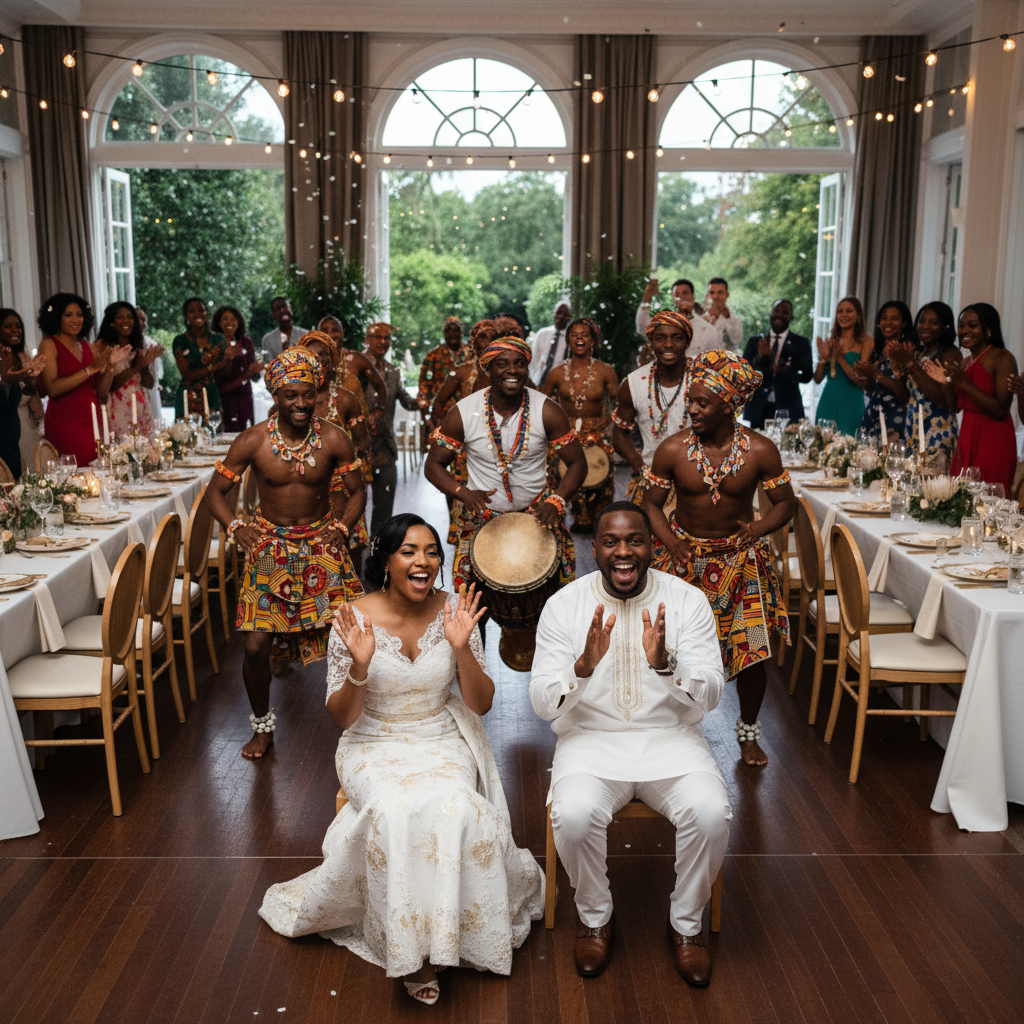
A vibrant West African dance troupe in colorful traditional attire performing for a joyful Black wedding couple and their guests. The dancers are mid-movement, with drums and percussive instruments visible. Shot on Canon EOS R5, 35mm lens, natural lighting, editorial photography.
Exploring the Rich Tapestry of African and Afro-Caribbean Dance Styles
From the energetic rhythms of West African drumming and dance to the elegant movements of Caribbean quadrille or the vibrant energy of Carnival-inspired performances, a diverse array of styles can enrich your wedding celebration. Each style carries its own historical and cultural significance, offering a unique narrative that can be tailored to your specific heritage and vision.
When considering which style to feature, delve into your family's specific origins. Are you looking for the powerful storytelling of West African dances like Sabar from Senegal or the celebratory Gumboot dance from South Africa? Perhaps the intricate footwork and graceful storytelling of Haitian folkloric dances, or the vibrant, infectious energy of a Junkanoo band from the Bahamas is more fitting. For couples with Caribbean roots, options abound: consider the stately elegance of Quadrille, the rhythmic sensuality of Salsa or Merengue fusion, or the exuberant spectacle of a Calypso or Soca performance.
Many troupes offer a blend of styles, incorporating elements from across the diaspora to create a truly unique presentation. Discuss your preferences with potential performers; a good troupe will be able to guide you through their repertoire and help you select pieces that resonate most deeply with your cultural background and desired wedding atmosphere.
Finding and Vetting Your Dance Troupe: A Strategic Approach
Securing the right cultural dance performers involves diligent research, reviewing portfolios, checking references, and clearly outlining your vision and logistical needs. Start by exploring specialized platforms and local community networks to find troupes deeply rooted in the traditions you wish to showcase, ensuring authenticity and professionalism.
Your first stop should be platforms like Ajola, where you can browse entertainment vendors specifically tailored to African American and Afro-Caribbean events. Look for detailed profiles, video reels of past performances, and client testimonials. Beyond online searches, tap into local cultural centers, university dance departments, and community organizations. Word-of-mouth recommendations from other event planners or recently married couples are invaluable.
Once you've identified potential troupes, schedule consultations. During these meetings, inquire about their experience with weddings, their repertoire, costume options, and whether they provide their own sound equipment or require the venue's. Ask for references and don't hesitate to contact them. A reputable troupe will also have insurance, which is crucial for any live performance. Finally, ensure all agreements—performance duration, specific dances, setup requirements, and payment schedule—are clearly outlined in a written contract. For vendors looking to connect with clients, consider listing your services on Ajola.
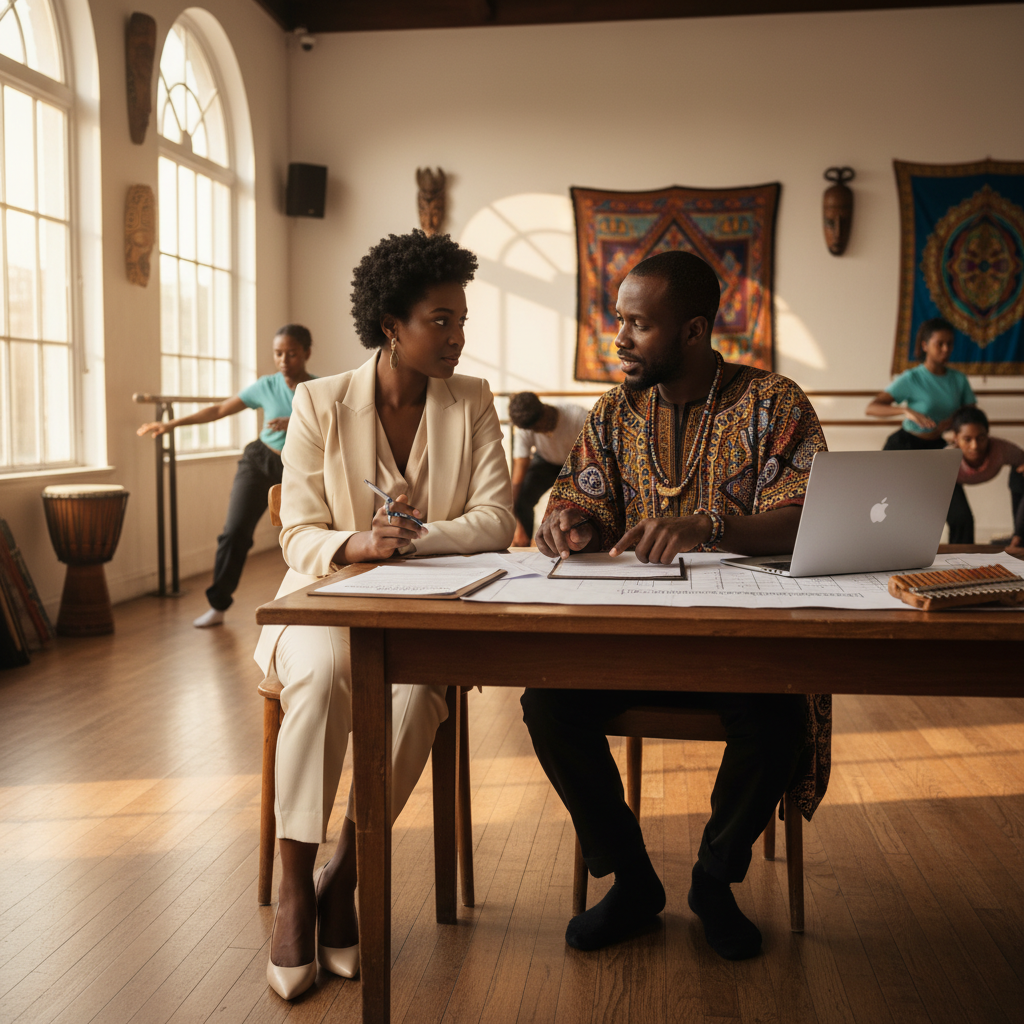
A Black event planner, dressed professionally, in a focused conversation with the leader of a cultural dance troupe, reviewing a contract and performance details in a brightly lit studio. Shot on Canon EOS R5, 35mm lens, natural lighting, editorial photography.
Logistics and Staging: Ensuring a Seamless Performance
Successful cultural dance performances require careful planning regarding venue space, sound requirements, lighting, and a clear understanding of the performance duration and setup needs. Coordinate closely with your venue and other vendors to ensure adequate room and technical support for the performers, preventing any last-minute hitches.
Space: Cultural dance often involves dynamic movement and sometimes large ensembles. Discuss the required performance area with your troupe. Do they need a traditional stage, or can they perform on a designated floor space? Ensure your wedding venue can accommodate their needs, considering ceiling height, proximity to guests, and any obstacles. For example, a group performing an elaborate Junkanoo parade might need more open space than a smaller, more intimate folkloric duo.
Sound: Live drumming and music are central to many cultural performances. Confirm if the troupe brings their own sound system or requires access to the venue's. Discuss microphone needs for drums, vocalists, or narration. Clarity of sound is paramount to the impact of the performance. Also, consider the overall noise level and how it integrates with other entertainment elements, especially if you have a DJ or band.
Timing & Transitions: Integrate the performance seamlessly into your wedding day timeline. Will it be a surprise entrance, an interlude during dinner, or a high-energy kick-off to the dance party? Work with your wedding coordinator and the troupe to plan transitions efficiently. Ensure there's a designated changing area for performers and a clear path for them to enter and exit the performance space discreetly.
Budgeting for Brilliance: What to Expect Financially
The cost for cultural dance troupes can vary significantly based on the number of performers, duration, complexity of costumes, and travel, typically ranging from $800 for a small group for a short set to over $3,500 for a larger, more elaborate production. Factor in potential additional costs for specific instruments or unique requests to avoid surprises.
When budgeting, consider several key factors:
Number of Performers: A solo dancer or a duo will naturally be less expensive than a full troupe with multiple dancers and live musicians.
Duration: Most performances range from 15-minute high-impact sets to 45-minute multi-piece shows. Longer performances or multiple sets throughout the evening will increase the cost.
Costumes & Props: Elaborate, authentic costumes and unique props (like large masks or flags) can influence pricing.
Travel: If the troupe is traveling a significant distance, expect to cover mileage, accommodation, or per diems.
Technical Requirements: While many troupes are self-sufficient, complex setups might incur additional fees for sound engineers or lighting specialists.
On average, for a 3-5 person troupe performing a 20-30 minute set, you might expect to pay between $1,200 and $2,500 in major U.S. cities with large Black communities like Atlanta, Houston, or Washington D.C. Always request a detailed quote that breaks down all costs. It's also wise to set aside a contingency fund, as you would for other significant vendors like a wedding photographer.
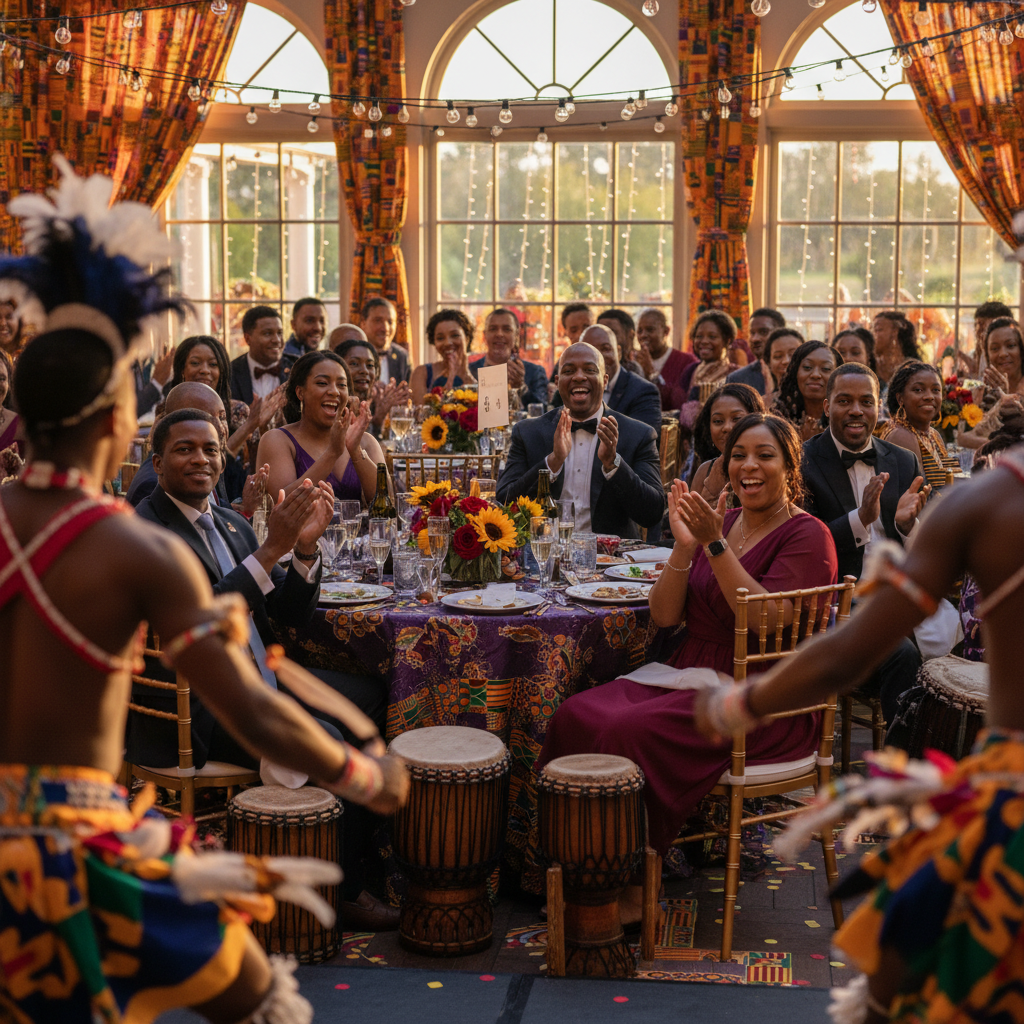
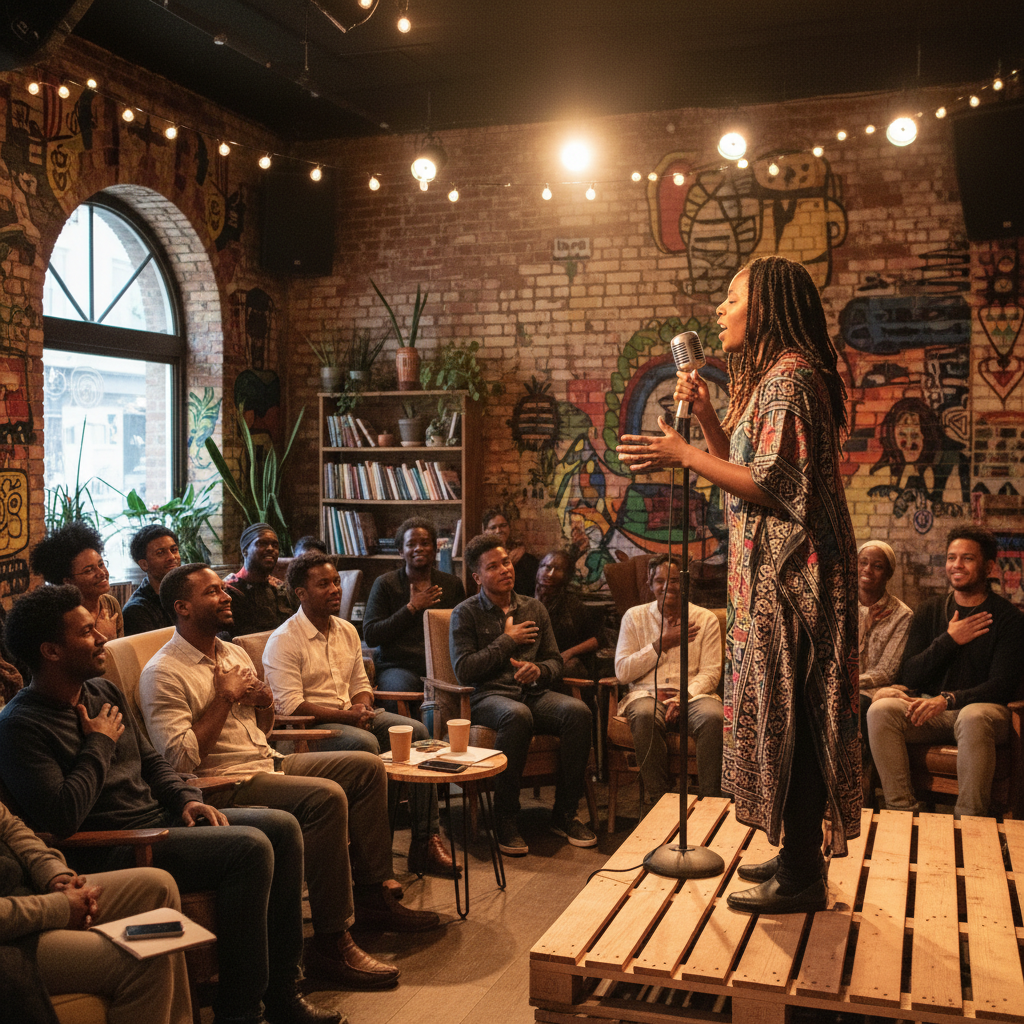
A joyful wedding audience, predominantly African American, clapping and smiling while watching a vibrant cultural dance performance from their tables. The ambiance is festive and celebratory. Shot on Canon EOS R5, 35mm lens, natural lighting, editorial photography.
Integrating Dance into Your Wedding Day Timeline
Strategic placement of cultural dance performances within your wedding timeline can maximize impact, whether as a grand entrance, an energetic interlude during dinner, or a dynamic late-night celebration starter. Consider your guests' energy levels and the overall flow of the evening to choose the optimal moment that enhances, rather than disrupts, the celebration.
Cocktail Hour Opener: A short, lively performance as guests arrive at the reception can immediately set an exciting, cultural tone and transition them into the main event. It creates a memorable first impression.
Grand Entrance: Imagine entering your reception with a drum line or a troupe leading the way. This adds incredible fanfare and a truly regal feel to your arrival, reminiscent of community parades and celebrations.
Dinner Interlude: During a lull between courses, a performance can re-energize the room and provide a delightful break from conversation. This is often a good time for a slightly longer, more narrative piece.
Post-Dinner Party Starter: As dinner concludes and the dance floor is about to open, a high-energy performance can be the perfect catalyst to get everyone moving. It transitions the mood from dining to dancing effortlessly.
Work closely with your wedding planner and the dance troupe to determine the best fit. Consider the flow of your other entertainment, such as your DJ or band, to ensure a smooth transition. The goal is to create an experience where the cultural dance feels like an organic, essential part of your celebration, not an afterthought.
Cultural dance at your wedding is more than just entertainment; it's a statement, a connection, and a celebration of who you are. By planning thoughtfully and choosing your performers carefully, you can create an event that is not only visually stunning but also deeply meaningful for you and your guests. Explore all options available on Ajola to bring your vision to life.