Martin Luther King Jr. Day community event planning
April 17, 2026 9 min read Admin
Key Takeaways
Prioritize a clear vision for service, education, and reflection to honor Dr. King's legacy.
Design a multi-faceted program that includes educational components, community service, and cultural performances.
Begin planning 6-8 months in advance, especially for venue selection and securing key partnerships.
Leverage local community organizations and leaders for authentic engagement and broader reach.
Develop a realistic budget, exploring grants, sponsorships, and in-kind donations to maximize impact.
Organizing a Martin Luther King Jr. Day community event isn't just about marking a date on the calendar; it's about igniting a spirit of service, education, and collective action. For African American and Afro-Caribbean event planners, this day holds profound significance, offering a unique opportunity to reinforce Dr. King's enduring message within our communities. The success of your event hinges on meticulous planning, authentic engagement, and a deep understanding of the local context.
Setting Your Vision and Purpose: Beyond Just a Holiday
A successful MLK Day event begins with a crystal-clear vision that extends beyond merely observing a federal holiday; it should actively embody Dr. King's principles of justice, equality, and service. This means defining whether your event will primarily focus on educational workshops, a large-scale service project, a commemorative march, a cultural celebration, or a combination thereof, ensuring every element aligns with these core values.
Before you even think about venue selection or catering, gather your core planning committee. Discuss what specific aspect of Dr. King's legacy you want to highlight for your particular community. Is it civic engagement, economic justice, non-violence, or interfaith dialogue? For instance, a youth-focused event might prioritize workshops on civil rights history and leadership development, while a broader community gathering might feature speakers addressing contemporary social issues. Setting this intention early will guide all subsequent decisions, from speaker selection to marketing messages. Consider the demographics of your target audience and tailor the event to resonate deeply with them. For decor inspiration that truly reflects the spirit of the day, consider insights from 'How to match decor to your cultural theme' to create an environment that is both commemorative and inspiring.
Crafting an Engaging Program: Education, Reflection, and Service
An impactful MLK Day program seamlessly weaves together elements of education, reflection, and community service to create a memorable and meaningful experience for attendees. This multi-layered approach ensures that participants not only learn about Dr. King's dream but also actively contribute to its realization.
Think beyond just a keynote speaker. Consider incorporating interactive elements such as facilitated discussions on civil rights topics, oral history sharing sessions, or even a community art project. Many organizations find success in hosting a "Day of Service," where attendees volunteer for local charities, clean up public spaces, or organize food drives. For cultural enrichment, feature local Black artists, musicians, poets, or dance troupes. A gospel choir performance or a spoken word artist sharing original pieces inspired by Dr. King's speeches can be incredibly moving. When planning the flow, remember to allocate time for reflection, perhaps through a moment of silence or a collective reading of one of Dr. King's powerful quotes. If you're looking for entertainers, you can browse diverse entertainment options on Ajola, from gospel choirs to spoken word artists.
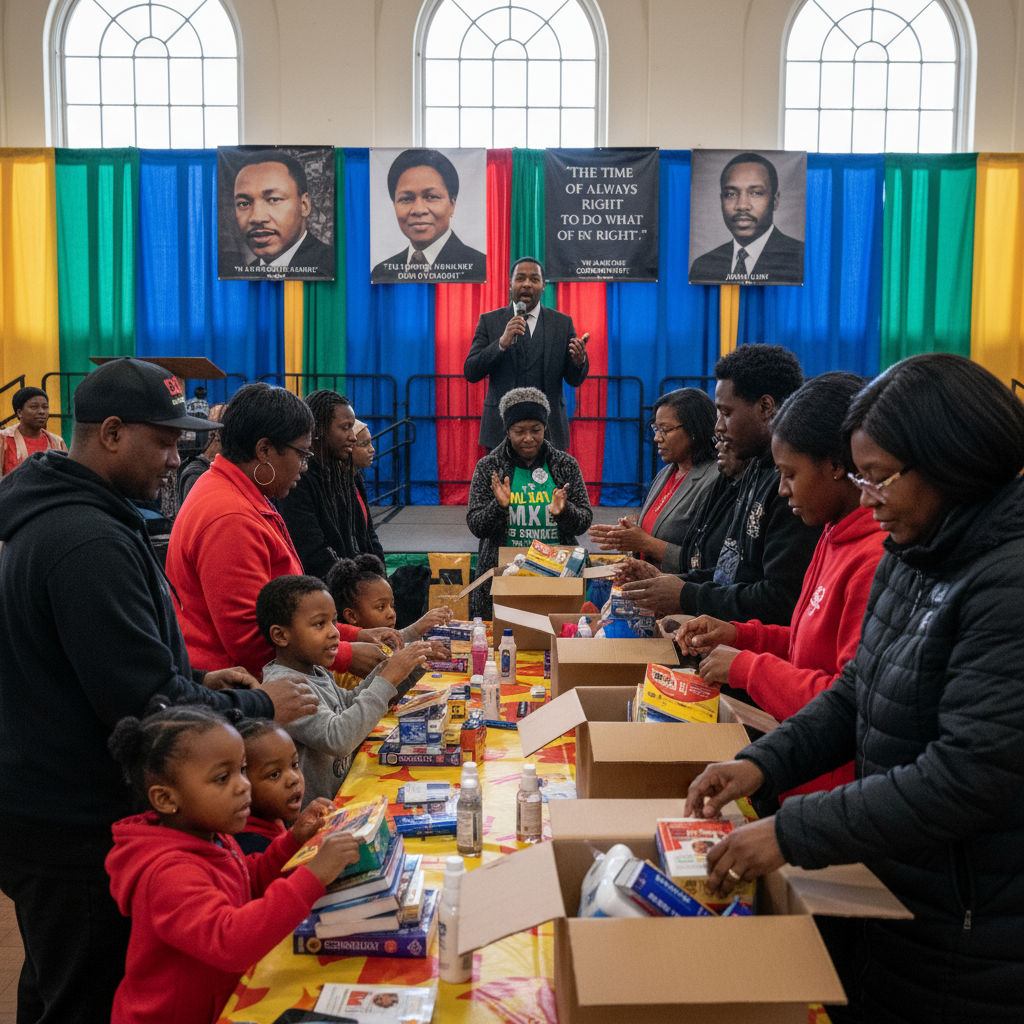
"The time is always right to do what is right." – Martin Luther King Jr.
A diverse group of African American and Afro-Caribbean community members of all ages, including children, participating in a vibrant and educational MLK Day event. They are engaged in a hands-on service project, like packing care packages, while a speaker delivers an inspiring message on a stage adorned with banners celebrating civil rights. The atmosphere is joyful and collaborative.
Securing Your Venue and Essential Logistics
Choosing the right venue and meticulously managing logistics are critical for the smooth execution of your MLK Day event, ensuring comfort, accessibility, and an appropriate atmosphere for reflection and celebration. The venue sets the tone and dictates much of your event's potential scale and activities.
Start scouting locations at least six to eight months out, as January 15th (or the observed holiday) is a popular date for events. Community centers, churches, school auditoriums, and even local university halls are often ideal. When evaluating venues, consider capacity, accessibility for all attendees (including those with disabilities), audio-visual capabilities, and parking. For larger, more contemporary events, you might explore options like those discussed in "Loft and warehouse event spaces in DMV for 2026" if your city has similar venues. Always inquire about non-profit rates or potential in-kind donations for space. Beyond the venue, think about permits if you plan a march or outdoor gathering, insurance, security, and first aid. Don't forget the catering; whether it's a full meal or light refreshments, ensure it's culturally appropriate and caters to dietary needs. You can easily find caterers near you on Ajola who specialize in diverse cuisines.
Permits, Insurance, and Safety Protocols
Navigating the bureaucratic landscape for permits and ensuring robust safety measures are non-negotiable aspects of event planning. Depending on your event's scale and nature, you might need permits for public assembly, street closures, or even amplified sound. Contact your city's special events office early to understand requirements. Secure general liability insurance to protect against unforeseen circumstances. Develop a clear safety plan, including emergency exits, first aid stations, and designated security personnel or volunteers, especially for larger gatherings. Communication is key; ensure all staff and volunteers are briefed on safety protocols.
Engaging the Community: Outreach and Partnerships
Authentic community engagement is the bedrock of a truly impactful MLK Day event, transforming it from a mere gathering into a collective experience that resonates deeply and inspires action. This involves reaching out to diverse groups and forging meaningful partnerships.
Identify key stakeholders within your community: local NAACP chapters, urban league affiliates, historically Black fraternities and sororities, interfaith organizations, schools, and youth groups. These partnerships can provide volunteers, promote your event, and offer valuable insights into community needs and interests. Don't underestimate the power of local influencers and community elders to lend credibility and draw attendance. Host town halls or focus groups during the early planning stages to solicit ideas and feedback, making the community feel invested from the outset. For instance, partnering with local churches can expand your reach exponentially, as they often have established networks and dedicated volunteers. Ajola can help you connect with various vendors and community resources to enhance your outreach efforts.
Volunteer Recruitment and Training
A dedicated team of volunteers is indispensable for any large-scale community event. Start recruiting early, clearly defining roles and responsibilities. Partner with local colleges, high schools, or civic organizations to tap into their volunteer pools. Provide thorough training, covering everything from event logistics and safety protocols to the historical significance of MLK Day and Dr. King's principles. Empower your volunteers to be ambassadors for the event, ensuring they feel valued and understand their crucial role in its success. A well-briefed volunteer team ensures a smooth experience for all attendees.
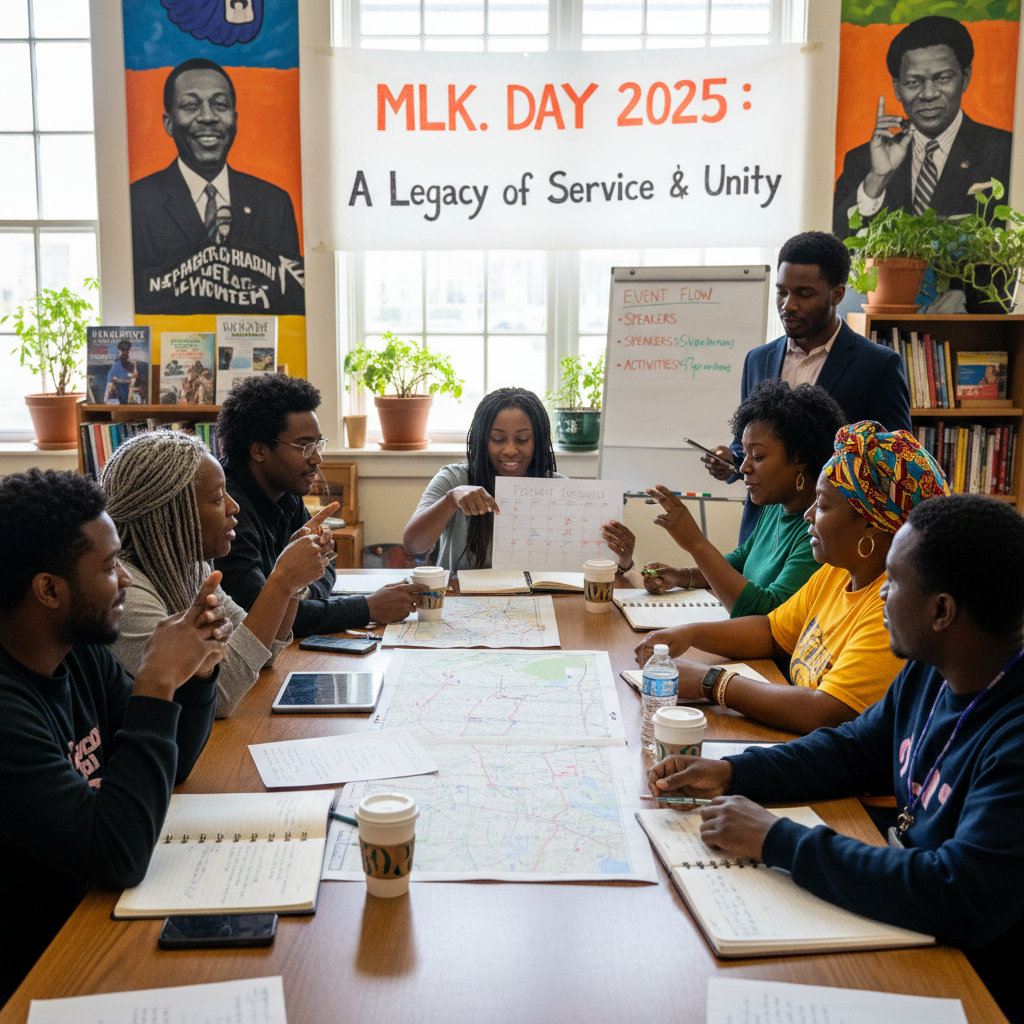
A group of Black community organizers, diverse in age, enthusiastically planning an MLK Day event in a vibrant community center. They are gathered around a large table, collaborating on a program schedule, with maps and brainstorming notes visible. The mood is energetic and focused.
Budgeting and Fundraising for Impactful Events
A realistic and well-managed budget is fundamental to bringing your MLK Day vision to life, ensuring that you can execute a high-quality event while maximizing its community impact. Effective fundraising strategies are often key to covering costs and providing free or low-cost access.
Start by itemizing every potential expense: venue rental, audio-visual equipment (expect $500-$2000 for a basic setup), speaker fees (ranging from $0 for community leaders to several thousand for prominent figures), catering (typically $15-$40 per person), marketing materials, permits, insurance, and volunteer support. Once you have a clear picture of costs, explore diverse funding avenues. Seek out local grants from foundations that support community development, civil rights, or educational initiatives. Approach local businesses for corporate sponsorships, offering different tiers of recognition. Consider hosting smaller fundraising events or launching a crowdfunding campaign. In-kind donations, such as venue space, sound equipment, or printing services, can significantly reduce your out-of-pocket expenses. For events requiring professional photography to document the occasion, budget accordingly; "How much does wedding photography cost in New Orleans in 2026" offers a useful benchmark for understanding regional rates, which can be adapted for event photography. For event documentation, browse experienced photographers on Ajola who understand the nuances of cultural events.
Amplifying Your Message: Marketing and Promotion
Effective marketing and promotion are crucial for ensuring your MLK Day event reaches its intended audience, attracting participants who are ready to engage, learn, and serve. A multi-channel approach is always best.
Develop a compelling narrative that communicates the purpose and impact of your event. Utilize a mix of traditional and digital channels. Local newspapers, community radio stations, and TV news outlets are often eager to cover meaningful community events. Design eye-catching flyers and posters for placement in community centers, churches, and local businesses. On the digital front, create a dedicated event page on social media platforms like Facebook, Instagram, and Twitter. Leverage community groups and email newsletters. Craft engaging social media posts with relevant hashtags (e.g., #MLKDay, #DayOfService, #CommunityUnity). Consider a press release to local media outlets. Partner with your community organizations to cross-promote; a shared audience means broader reach. For those looking to create a specific atmosphere through music, understanding "How to write a DJ brief that gets exactly the music you want" can also inform your outreach if you're promoting a cultural performance.
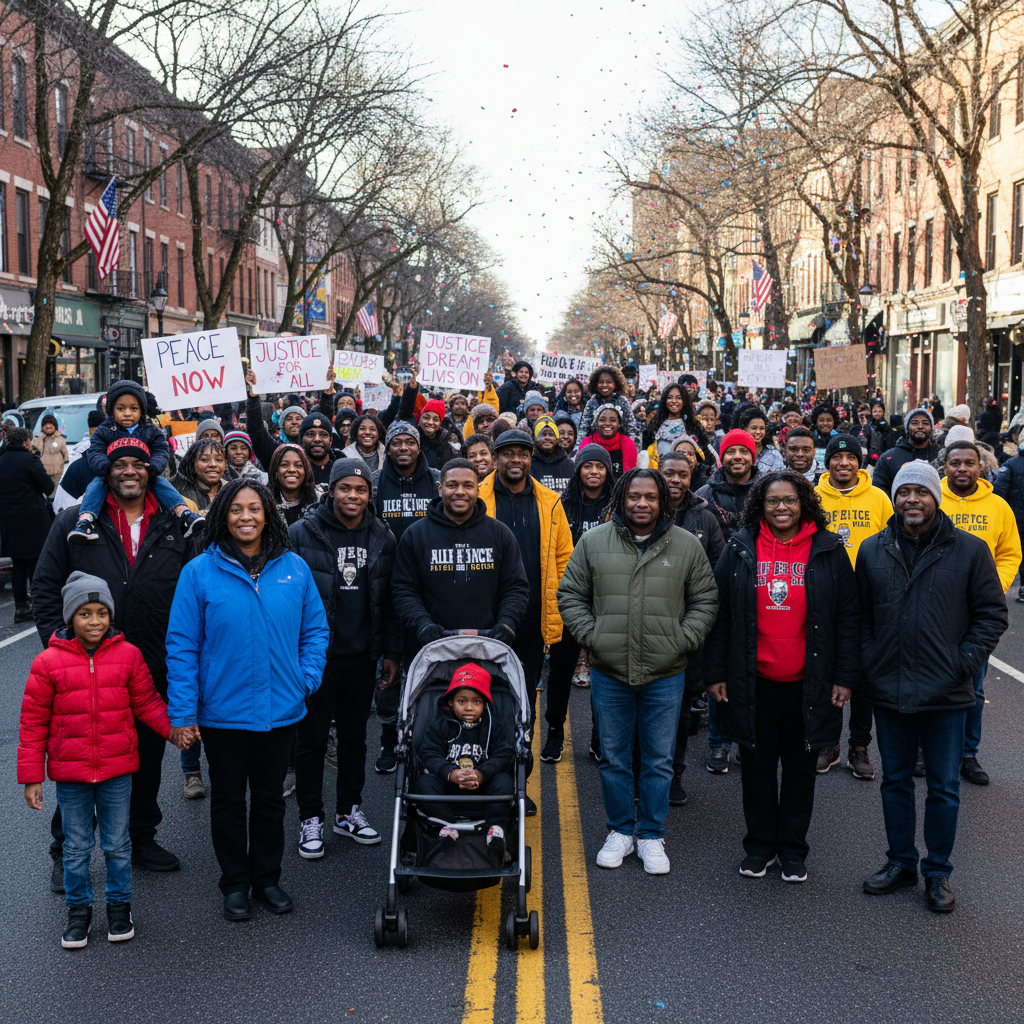
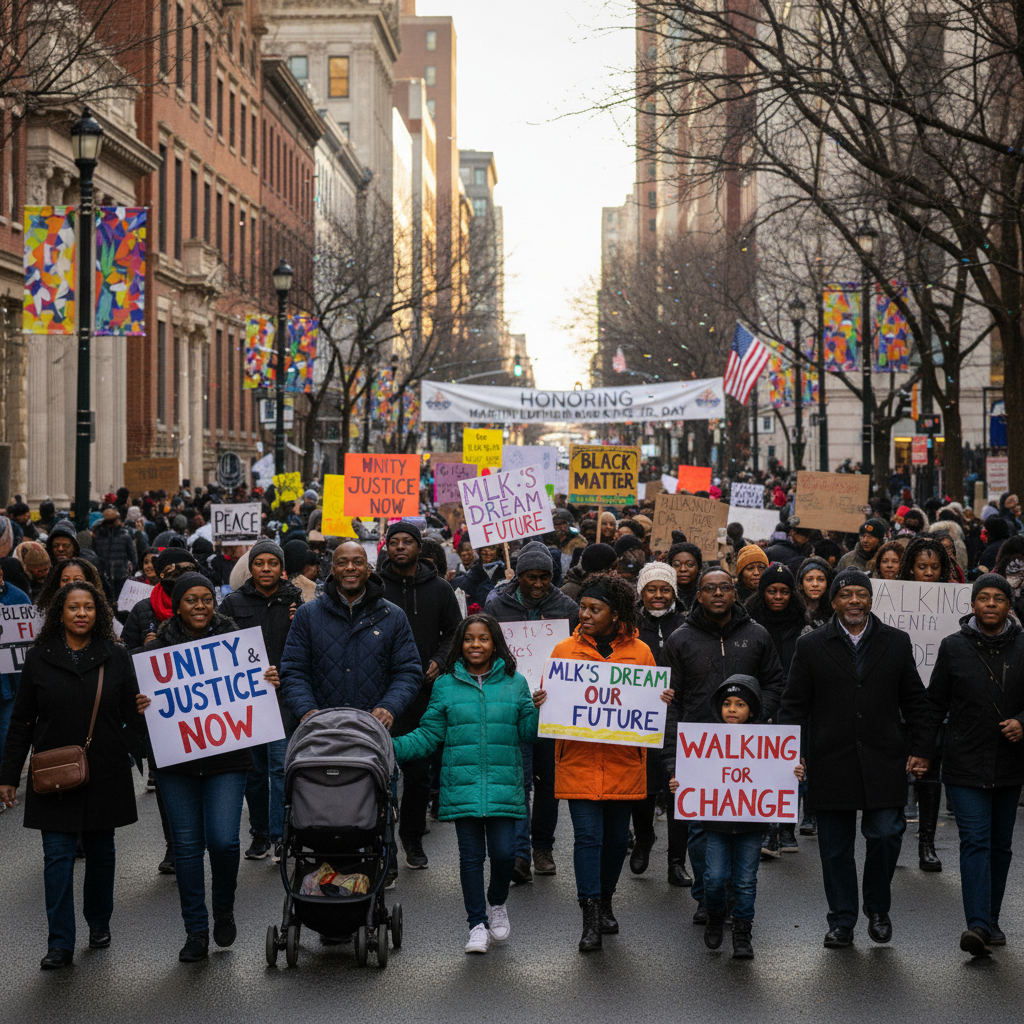
A vibrant, diverse crowd of African American families and individuals, including young people, actively participating in an MLK Day march through a city street. They are holding signs with powerful messages of peace and justice, smiling, and walking together with a sense of purpose and community solidarity.
Social Media Strategy and Engagement
Your social media presence should be dynamic and interactive. Don't just post event details; share compelling content related to Dr. King's legacy, quotes, and historical context. Run polls, ask questions, and encourage users to share their own experiences or intentions for service. Use high-quality images and short videos to capture attention. Create a unique hashtag for your event and encourage attendees to use it. Live-stream portions of your event to extend its reach beyond physical attendees. Remember to engage with comments and messages promptly, fostering a sense of community even before the event begins.