Floral arrangement trends for Black weddings in 2026
March 30, 2026 10 min read Admin
Key Takeaways
Bold Botanicals & Cultural Reverence: Expect large, dramatic floral installations incorporating exotic African and Caribbean flora like proteas, anthuriums, and birds of paradise.
Sustainability Takes Center Stage: Local sourcing, seasonal blooms, and eco-conscious practices are becoming non-negotiable for many couples and planners.
Vibrant & Intentional Color Palettes: Jewel tones, rich earthy neutrals, and unexpected pops of color will define arrangements, reflecting personal style and cultural heritage.
Personalization through Texture & Scent: Designers are experimenting with unique textures and aromatic flowers to create immersive, memorable experiences.
Strategic Florist Collaboration: Working with florists who understand and can execute culturally resonant designs is paramount for 2026 weddings.
The landscape of Black weddings is ever-evolving, and 2026 promises a breathtaking fusion of cultural celebration, personal expression, and cutting-edge design in floral arrangements. This isn't just about pretty flowers; it's about crafting an atmosphere, telling a story, and honoring heritage through thoughtfully curated botanicals. Event planners and hosts in our community are looking beyond traditional roses and hydrangeas, seeking arrangements that resonate deeply and make a powerful statement.
What are the driving forces behind 2026 floral trends in Black weddings?
The floral trends for Black weddings in 2026 are primarily driven by a desire for deeper personalization, a heightened awareness of sustainability, and a resurgence of cultural pride. Couples are increasingly seeking arrangements that not only look stunning but also reflect their unique love story, ancestral roots, and commitment to ethical sourcing, moving away from generic designs towards truly bespoke botanical artistry.
We’re seeing a significant shift towards florals that speak volumes. No longer content with merely filling space, Black couples are demanding arrangements that serve as focal points, conversation starters, and embodiments of their identity. This means a greater emphasis on unique blooms, dramatic presentations, and a seamless integration with the overall wedding theme, whether it’s a lavish ballroom affair in Atlanta or an intimate garden ceremony in Brooklyn. The influence of global aesthetics, particularly from the African diaspora, continues to inspire designers to push boundaries and explore new artistic expressions.
How are bold botanicals and cultural reverence shaping 2026 floral designs?
Bold botanicals and a deep reverence for cultural heritage are shaping 2026 floral designs by encouraging the use of striking, often exotic, blooms and foliage that carry symbolic weight or reflect African and Afro-Caribbean landscapes. This approach creates visually impactful arrangements that are rich in meaning, moving beyond subtle accents to become central design elements that celebrate identity and tradition.
Statement Installations: Beyond the Centerpiece
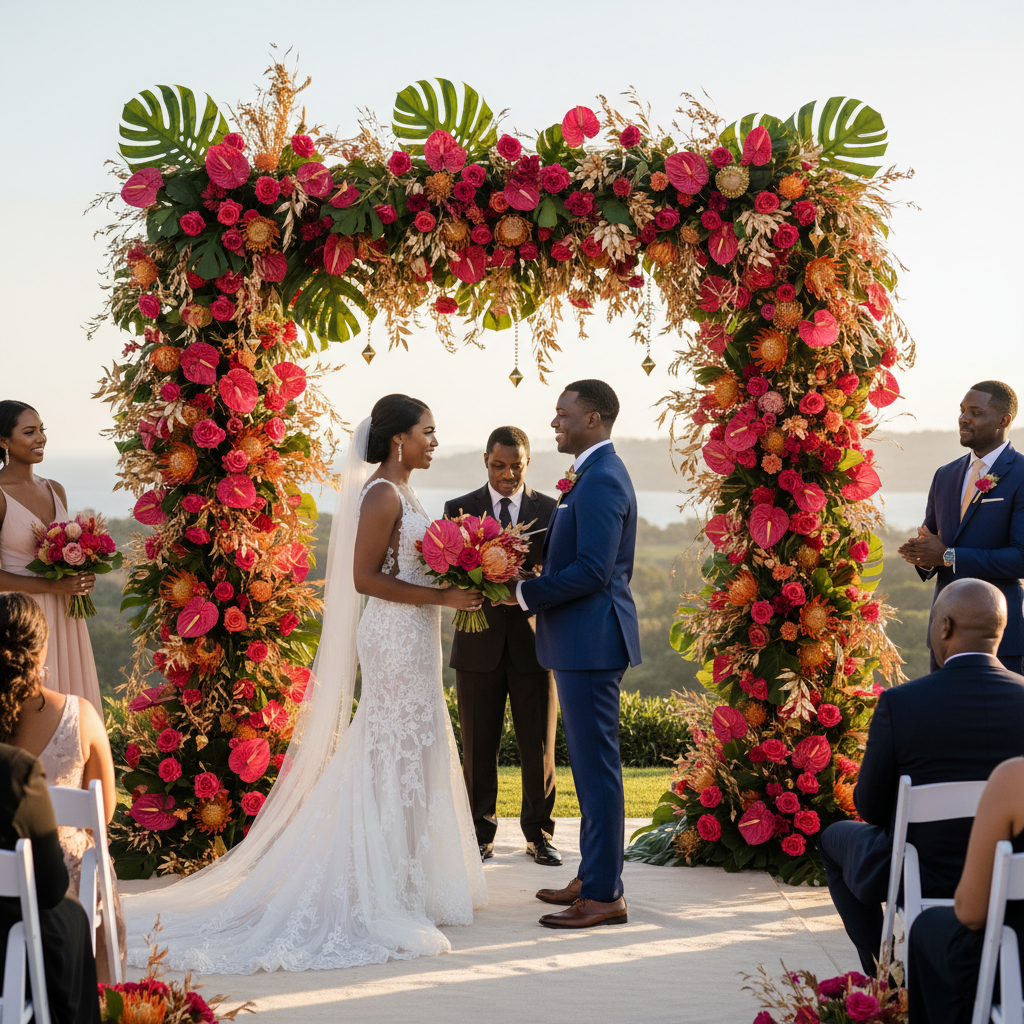
Forget dainty bouquets; 2026 is the year of the statement installation. Imagine towering floral arches dripping with orchids and monstera leaves, or suspended floral clouds creating an ethereal canopy over the dance floor. These aren't just decorations; they are architectural elements that transform a space. For a recent client planning a wedding at one of the unique non-traditional wedding venues in DMV, the florist designed an incredible living wall backdrop for the ceremony, incorporating vibrant local greenery and bold anthuriums that perfectly complemented the industrial-chic setting. The visual impact was undeniable, becoming the most photographed element of the day.
Incorporating African & Caribbean Flora
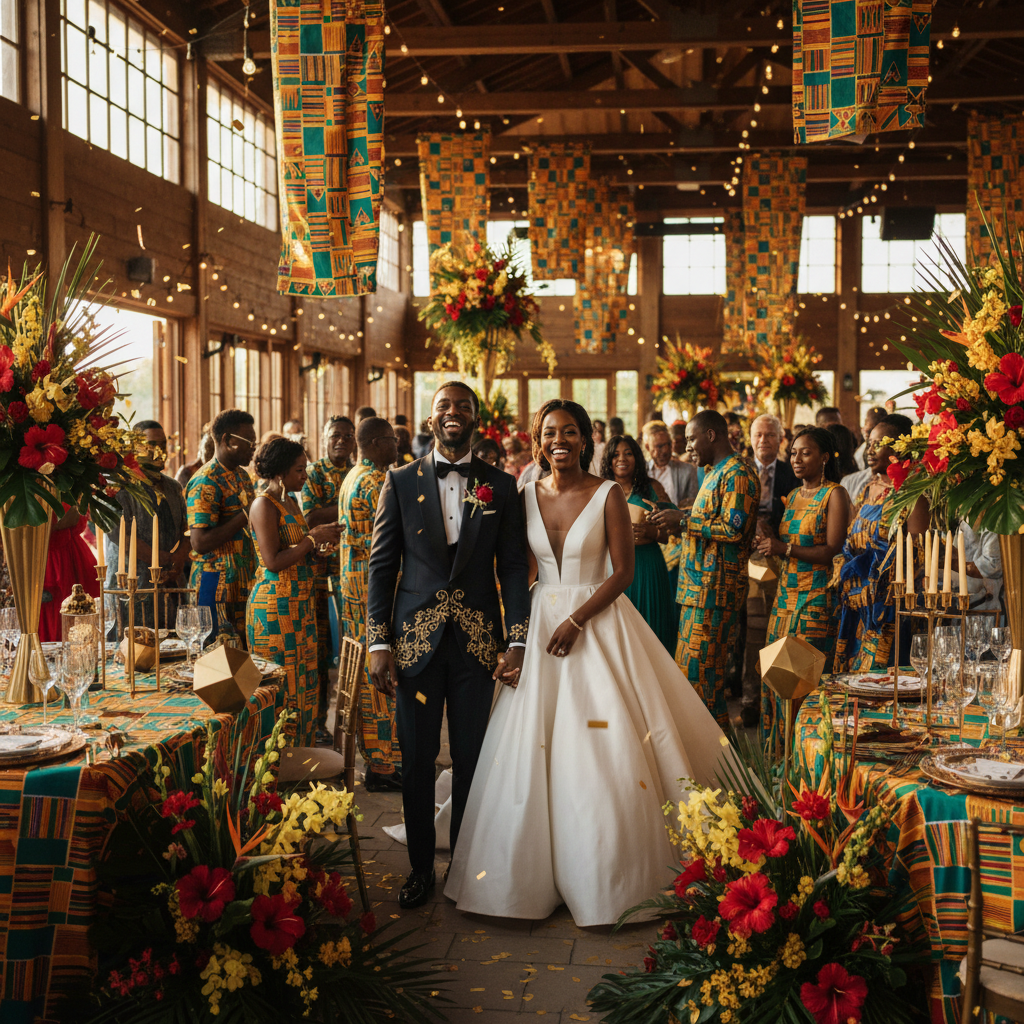
This trend is about celebrating our roots. Expect to see a rise in demand for flowers native to Africa and the Caribbean, such as magnificent Proteas, vibrant Birds of Paradise, striking Anthuriums, and lush tropical foliage like Philodendrons and Fan Palms. These aren't just beautiful; they carry a sense of home, heritage, and unique beauty. Imagine a bridal bouquet featuring a King Protea as its focal point, surrounded by delicate orchids and ferns, evoking the spirit of the motherland. Florists who understand how to source and integrate these specific blooms are in high demand, and you can find decorators and designers on Ajola who specialize in this unique aesthetic.
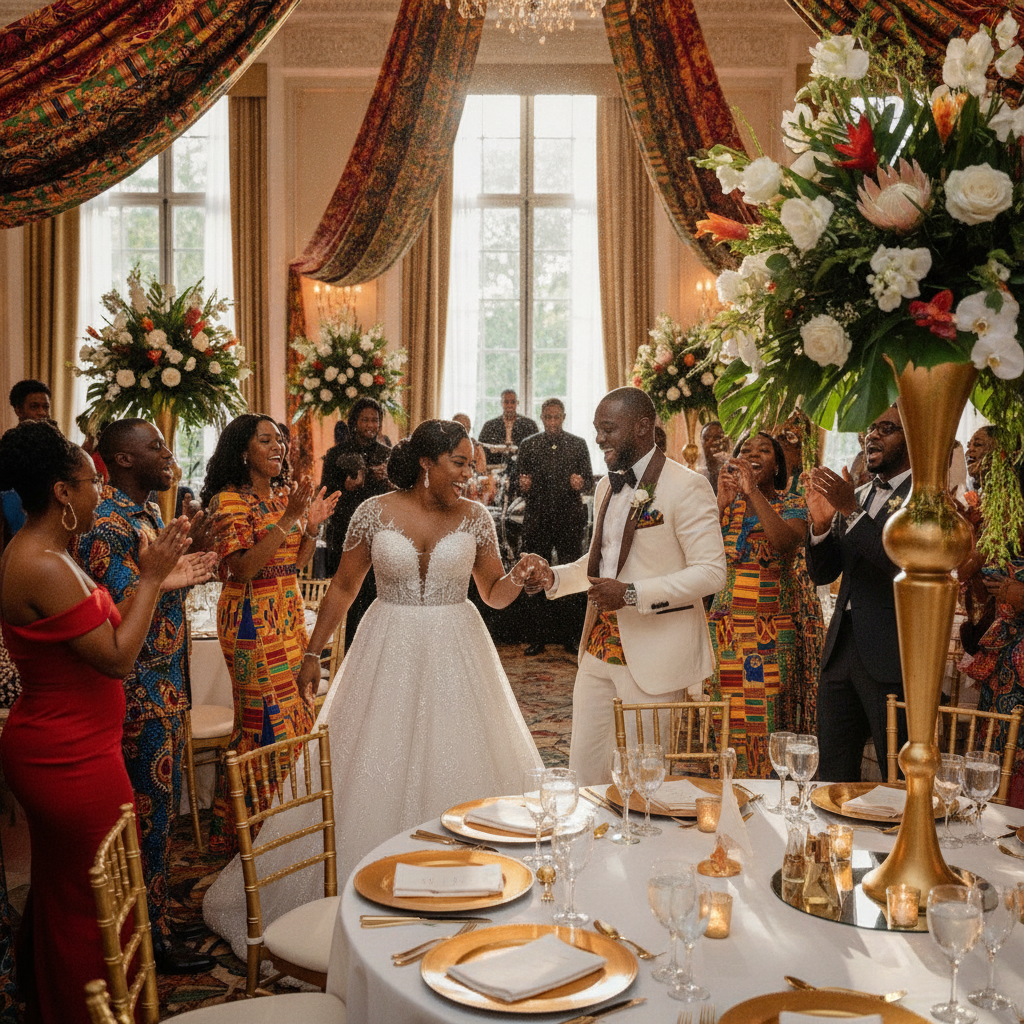
A Black wedding reception hall featuring a grand, towering floral centerpiece made of vibrant orange proteas, deep green monstera leaves, and hints of fuchsia orchids. The room is softly lit with warm uplighting, and elegantly dressed tables with gold accents are visible.
How are sustainability and local sourcing impacting floral choices?
Sustainability and local sourcing are significantly impacting floral choices by encouraging couples and planners to prioritize eco-friendly options, reduce carbon footprints, and support local economies. This means a preference for seasonal, regionally grown flowers, minimizing waste, and working with florists committed to sustainable practices, aligning wedding aesthetics with environmental consciousness.
Our community has always valued resourcefulness and giving back, and this extends to our event choices. The environmental consciousness of younger couples is undeniable, pushing florists to adopt more sustainable practices. This translates into a preference for blooms grown closer to home, reducing transportation emissions and supporting local economies.
Eco-Conscious Choices: Beyond Organic
For 2026, it’s not just about organic flowers; it’s about the entire lifecycle of the floral design. This includes using biodegradable floral foam alternatives, repurposing arrangements from the ceremony to the reception, and opting for potted plants that can be gifted or replanted after the event. Florists are also exploring dried and preserved florals as stylish, long-lasting alternatives that reduce waste. For example, a beautifully designed bouquet of dried pampas grass, bleached ruscus, and preserved roses can be just as stunning and significantly more sustainable than fresh-cut options for certain aesthetics.
Supporting Black-Owned Flower Farms & Businesses
There's a growing movement to support Black-owned businesses across the wedding industry, and floristry is no exception. Seeking out Black-owned flower farms and florists not only ensures cultural understanding but also strengthens our community's economic fabric. Planners should actively inquire about a florist's sourcing practices and their network of suppliers. When you browse Ajola's vendor listings, you can often filter by Black-owned businesses, making it easier to connect with florists who align with these values.
What color trends are dominating Black wedding florals for 2026?
For 2026, color trends in Black wedding florals are dominated by rich jewel tones with sophisticated twists, along with elegant earthy neutrals punctuated by vibrant, unexpected accents. These palettes allow for both opulent expressions and understated elegance, catering to diverse preferences while always making a memorable visual impact that reflects personal style and cultural vibrancy.
Jewel Tones with a Twist
While jewel tones like emerald, sapphire, and ruby have always been popular, 2026 sees them evolve with more nuanced pairings. Think deep amethyst paired with unexpected terracotta or a vibrant teal accented with goldenrod. These combinations create depth, sophistication, and a touch of the dramatic. Imagine centerpieces featuring deep purple calla lilies, rich burgundy dahlias, and pops of electric blue delphiniums, creating a luxurious and opulent feel perfect for a grand celebration.
Earthy Neutrals with Vibrant Accents
For those who prefer a more understated elegance, earthy neutrals like sage green, terracotta, champagne, and warm beige are providing a sophisticated backdrop. However, the twist for 2026 is the strategic infusion of bold, vibrant accents. A bridal party adorned in sleek champagne attire might carry bouquets featuring a single, striking fuchsia orchid or a cluster of tangerine ranunculus, creating a breathtaking contrast. This approach allows for versatility and ensures the florals still make a statement without overwhelming the aesthetic. It's about intentional pops of color that draw the eye and add personality.
How can texture and scent elevate wedding floral designs?
Texture and scent can elevate wedding floral designs by engaging multiple senses, transforming arrangements from purely visual elements into immersive, memorable experiences. Incorporating varied textures adds visual depth and intrigue, while intentional use of fragrant blooms creates an unforgettable aromatic atmosphere that deeply personalizes the event for couples and their guests.
We know that a truly memorable event engages all the senses. For 2026, florists are becoming masters of sensory design, using texture and scent to add layers of sophistication and personalization to arrangements. This goes beyond just how the flowers look; it’s about how they feel and smell.
Unexpected Textures
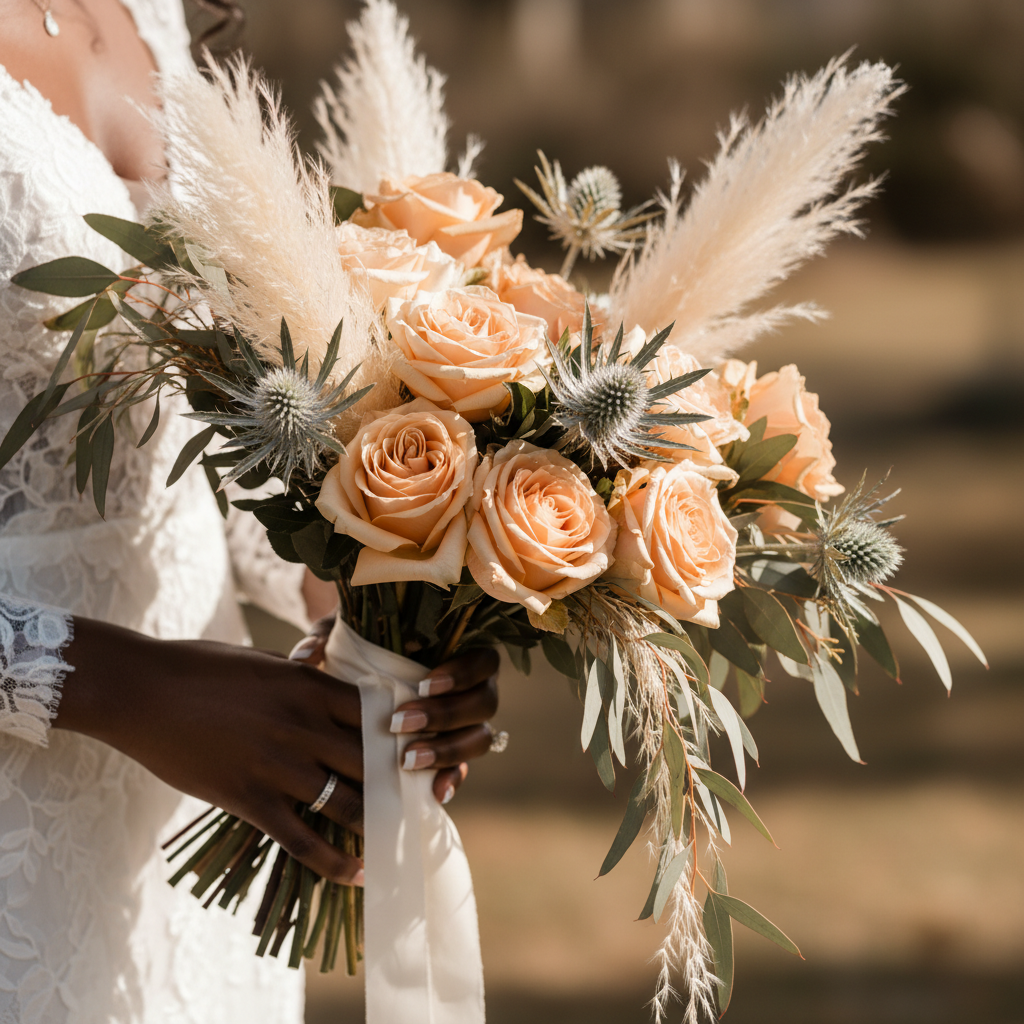
Designers are moving beyond smooth petals, incorporating elements like spiky thistles, fuzzy pampas grass, velvety cockscomb, and even non-floral elements like feathers or woven natural fibers. This creates visual interest and a tactile experience. A bouquet might combine the softness of garden roses with the architectural lines of an orchid and the feathery lightness of dried pampas. This textural play adds a modern, artistic edge to traditional arrangements, making them dynamic and unique. Don't be afraid to ask your florist to experiment; the results can be truly stunning.
Aromatic Experiences
The power of scent to evoke memory is undeniable. For 2026, couples are requesting fragrant blooms that create an immersive atmosphere. Imagine walking into a reception filled with the intoxicating scent of gardenias, tuberose, or jasmine, subtly blending with the celebratory mood. Consider incorporating aromatic herbs like rosemary or mint into boutonnieres and centerpieces for a fresh, unexpected olfactory note. This attention to detail elevates the guest experience, making the wedding truly unforgettable. A florist who understands how to blend these elements, much like a DJ curates a playlist of Caribbean music genres, crafts an experience.
A close-up of a Black bride's bouquet, showcasing a rich blend of textures including soft peach garden roses, spiky white thistles, feathery pampas grass, and delicate eucalyptus leaves. Her hands are gently holding the bouquet, with a hint of her elegant dress visible.
What should planners consider when selecting a florist for these trends?
When selecting a florist for these emerging trends, planners should prioritize those with a proven portfolio showcasing innovative, culturally sensitive designs, a commitment to sustainable sourcing, and an ability to translate unique visions into reality. It's crucial to find a professional who understands the nuances of Black weddings and can execute bold, personalized, and environmentally conscious arrangements effectively.
Navigating these exciting trends requires a florist who is not just skilled, but also culturally aware and forward-thinking. Here's what to look for:
Cultural Fluency: Does the florist understand the nuances of African American and Afro-Caribbean aesthetics? Can they incorporate symbolic elements or specific cultural flowers respectfully and beautifully? Don't hesitate to ask for examples of their work with Black clients or their knowledge of specific traditions like the Ethiopian coffee ceremony, which often involves specific floral elements.
Portfolio & Vision Alignment: Review their portfolio for examples of bold installations, unique color palettes, and textural experimentation. Do their designs align with the modern, culturally rich aesthetic you're aiming for?
Sustainability Practices: Inquire about their sourcing. Do they prioritize local and seasonal blooms? What are their practices for reducing waste?
Budget Transparency: Discuss your budget early. For elaborate floral installations or exotic blooms, costs can vary significantly. While a basic wedding floral budget might start around $3,000-$5,000 in major cities like New York or Chicago, a wedding embracing these 2026 trends with bold installations and specialty flowers could easily range from $8,000 to $20,000+, depending on scale and bloom choices. Knowing the cost of other wedding elements like catering helps frame this budget.
Communication & Collaboration: A great florist will be a partner in your vision, offering creative solutions and guiding you through the process. They should be responsive and open to your ideas.
The demand for innovative, culturally resonant floral design is soaring. For event planners, this means connecting with florists who are not just artisans but also cultural navigators. If you're a floral designer ready to showcase your expertise in these trending styles, consider signing up as a vendor on Ajola to connect with a thriving community of planners and couples seeking your unique talent. The future of Black wedding florals is vibrant, meaningful, and utterly unforgettable.