Strategic lighting elevates event ambiance, impacting mood, focus, and visual appeal, especially for photography.
Understanding different lighting types like uplighting, gobos, and washes is crucial for creating specific effects.
Budgeting for lighting should factor in equipment rental, design fees, and power requirements, with costs often ranging from $500 to $5,000+ for mid-sized events.
Collaborating with an experienced lighting designer or AV specialist is key to translating your vision into a stunning reality and ensuring technical execution.
Always consider the venue's existing infrastructure, power limitations, and safety regulations when planning your lighting scheme.
Ignoring lighting design for your indoor event is akin to hosting a grand feast in the dark. It’s not just about visibility; it's about crafting an atmosphere, guiding guest perception, and enhancing every visual element. For African American and Afro-Caribbean event planners, hosts, and vendors, understanding the nuances of lighting design is paramount to creating memorable, culturally rich experiences that truly shine.
Why Lighting is the Unsung Hero of Event Design
Lighting is the most powerful tool in an event designer's arsenal for transforming a space, dictating the mood, and drawing attention to key features. It directly impacts how guests feel, how they interact with the environment, and how every detail—from floral arrangements to the intricate patterns on cultural attire—is perceived and captured in photographs.
Think about it: a dimly lit room with warm amber uplighting instantly evokes intimacy and sophistication, perfect for a wedding reception or an elegant gala. Conversely, bright, dynamic washes of color and focused spotlights can energize a space for a high-energy birthday celebration or a vibrant corporate launch. The right lighting can make an inexpensive venue feel luxurious or highlight a specific cultural centerpiece, ensuring your event’s narrative is told not just through decor, but through illumination. It's the silent director of your event's emotional journey.
Decoding Different Types of Event Lighting
To truly master indoor event illumination, you must familiarize yourself with the diverse array of lighting types, each offering unique capabilities to shape your venue. From static ambient washes to dynamic intelligent fixtures, selecting the right mix is fundamental to achieving your desired aesthetic and functionality.
Uplighting and Downlighting
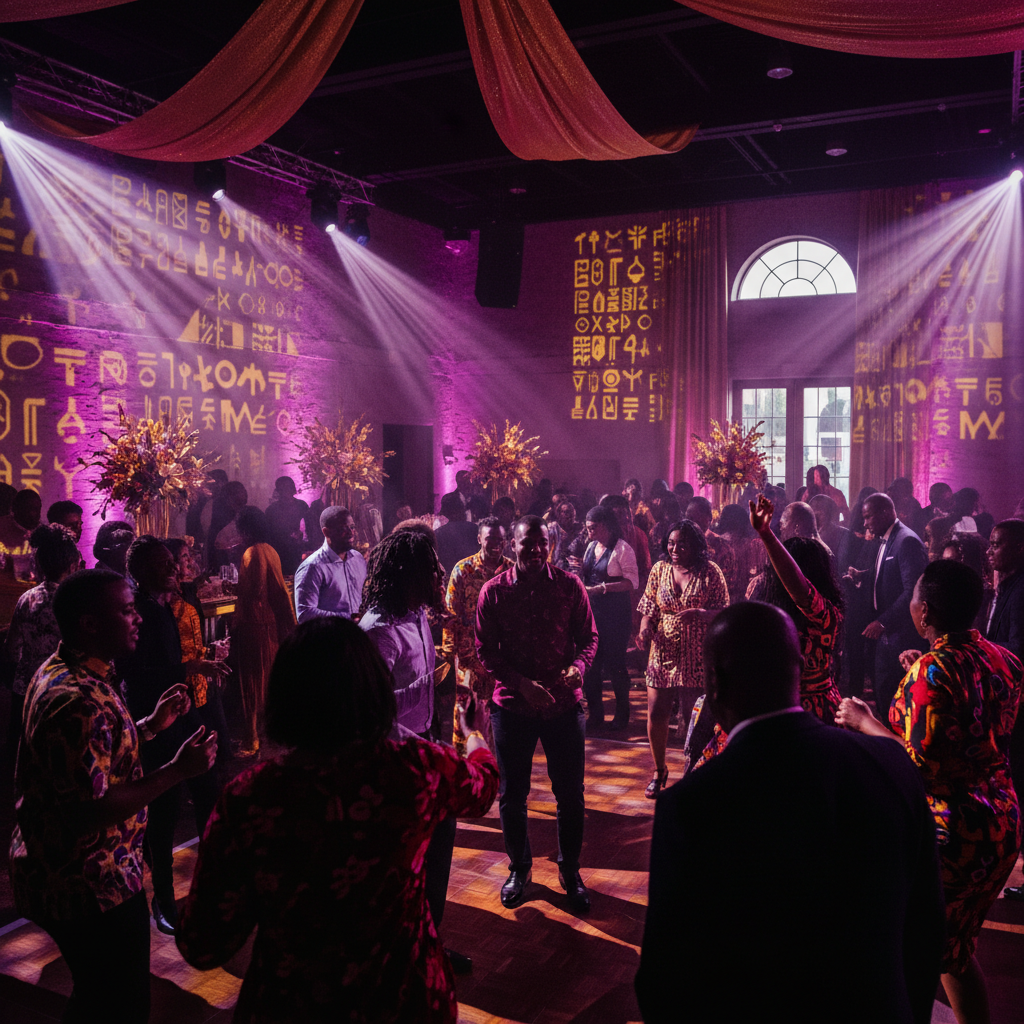
Uplighting involves placing fixtures on the floor, pointing light upwards against walls, columns, or drapes. This technique creates a dramatic glow, adds depth, and can wash an entire room in a chosen color, instantly transforming the ambiance. Imagine deep purples or rich golds reflecting off a textured wall, setting a regal tone for a Kwanzaa celebration or a significant anniversary. Downlighting, conversely, casts light downwards, often from trusses or ceilings, to illuminate tables, a stage, or specific decor elements, providing functional light while also contributing to the overall design.
Gobos and Projection Mapping
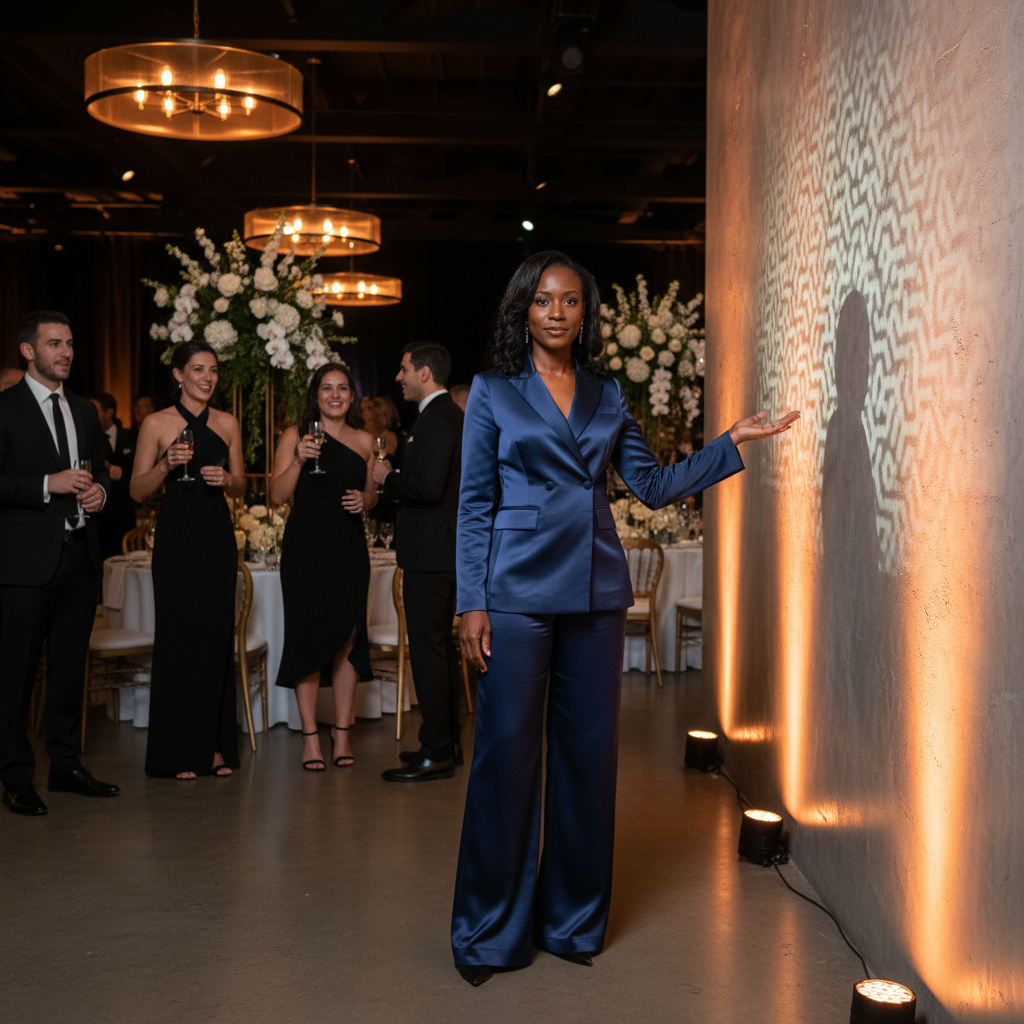
Gobos are stencils placed in front of a light source to project custom images, patterns, or logos onto surfaces. This is an incredible way to personalize an event, from projecting a couple's monogram onto the dance floor at a wedding to displaying a company logo at a corporate event. For culturally specific events, gobos can project Adinkra symbols, Caribbean flag motifs, or intricate African patterns, adding a deeply personal and meaningful touch. Projection mapping takes this a step further, using multiple projectors to cast dynamic, animated visuals onto complex 3D surfaces, turning entire walls or architectural features into immersive canvases. This can create breathtaking, moving backdrops that tell a story or transport guests to another place.
Wash Lighting and Spotlights
Wash lighting provides a broad, even distribution of light over a large area, often used to create a general ambient color or to brighten a space uniformly. These are your workhorses for setting the base mood. Spotlights, on the other hand, produce a focused beam of light to highlight specific individuals, objects, or areas, such as a speaker on a stage, a cake table, or a performer. They are essential for drawing attention and ensuring key moments are perfectly illuminated.
Intelligent Lighting (Moving Heads)
Intelligent lighting, commonly known as moving heads, are versatile fixtures that can change color, pattern (gobo), focus, and position remotely. These are the dynamic stars of your lighting show, capable of creating sweeping effects across the room, following performers, or building excitement on the dance floor. They are particularly effective for high-energy parties, concerts, or events where the atmosphere needs to shift dramatically throughout the night.
String Lights, Fairy Lights, and Edison Bulbs
For a softer, more whimsical, or rustic feel, string lights (bistro lights), fairy lights, and exposed Edison bulbs are perfect. They add warmth, texture, and a charming glow. String lights draped across a ceiling or outdoor patio evoke a festive, communal vibe, while delicate fairy lights can be woven into centerpieces or backdrops for a magical touch. Edison bulbs, with their visible filaments, lend a vintage, industrial-chic aesthetic that’s incredibly popular for relaxed yet stylish gatherings.
A vibrant indoor event space filled with African American guests dancing under dynamic wash lighting in hues of purple and gold, with custom gobo projections of cultural patterns on the walls. Shot on Canon EOS R5, 35mm lens, natural lighting, editorial photography.
Planning Your Lighting Design: The Essential Steps
Effective lighting design isn't an afterthought; it's an integral part of your event planning process. Approaching it systematically ensures both aesthetic success and seamless execution.
1. Define Your Vision and Mood
Before you even think about fixtures, articulate the desired atmosphere. Is it elegant and sophisticated, vibrant and energetic, intimate and romantic, or playful and whimsical? The event type (wedding, baby shower, corporate gala, cultural festival) and your client's aesthetic will heavily influence this. For a baby shower, perhaps you're looking for soft pastels and warm glows, much like the brunch catering ideas for baby showers in DMV that focus on light and airy themes. For a high-energy Carnival-themed party, you'll want dynamic, saturated colors, perhaps inspired by Carnival music essentials.
2. Venue Assessment and Limitations
Every venue has its quirks. Conduct a thorough site visit to understand:
Existing lighting: What permanent fixtures are there? Can they be controlled or dimmed?
Power supply: Is there enough power for additional lighting? Where are the outlets? This is crucial for large setups, as inadequate power can lead to circuit overloads.
Rigging points: Are there safe points to hang lights, gobos, or trusses?
Ceiling height and color: High ceilings allow for grander designs, while dark walls absorb light differently than light ones.
Reflective surfaces: Mirrors, glass, and polished floors will interact with light in unique ways.
Understanding these limitations early can save you significant headaches and unexpected costs later. You might find that a stunning venue in New Orleans requires some creative solutions, much like negotiating venue pricing in New Orleans requires local insight.
3. Budgeting for Brilliance
Lighting costs can vary dramatically. For a small event, simple uplighting might run $500-$1,500. A mid-sized wedding with uplighting, gobos, and a few intelligent fixtures could be $2,000-$5,000. Large-scale events with projection mapping, extensive rigging, and a dedicated lighting designer can easily exceed $10,000. Your budget needs to account for:
Equipment rental (fixtures, cables, control boards)
Labor (setup, operation during the event, teardown)
Design fees (if hiring a dedicated lighting designer)
Power distribution (generators, extra cabling if needed)