Haitian weddings are deeply communal, emphasizing family approval and participation from engagement to reception.
Vibrant colors, rich fabrics, and tropical flowers are central to Haitian wedding decor and attire.
Traditional Haitian cuisine, like griot and riz collé, and lively music, especially Konpa, are non-negotiable elements of the celebration.
Incorporating cultural consultants or planners with specific Haitian heritage expertise can be invaluable for authenticity.
Vendor selection should prioritize those who understand and respect Afro-Caribbean cultural nuances.
Haitian weddings are more than just ceremonies; they are vibrant, multi-generational celebrations deeply rooted in family, faith, and a rich cultural heritage. For Afro-Caribbean event planners and hosts, understanding these traditions isn't just about ticking boxes—it's about honoring a legacy and crafting an experience that resonates profoundly with every guest. From the initial family blessings to the energetic reception, every element tells a story of love, resilience, and community.
The Foundation: Family & Engagement Rituals
Haitian weddings are deeply rooted in family approval and community involvement from the very beginning, setting a precedent for a union that extends beyond just the couple. Unlike Western proposals that might be a private affair, the Haitian engagement process often starts with a formal family introduction and a request for blessings.
This formal request is known as the "Demann". Typically, the groom's family, often led by his parents or elders, will visit the bride's family to formally ask for her hand in marriage. This isn't just a courtesy; it's a profound act of respect and a crucial step in cementing the bond between two families. Discussions might revolve around the couple's intentions, their future, and the families' expectations. This period ensures both families are aligned and invested in the upcoming union, fostering a strong sense of unity from the outset. Event planners should be sensitive to these family dynamics, ensuring ample opportunity for elders to be recognized and involved throughout the planning process.
A joyful African American couple, dressed in elegant traditional Haitian wedding attire, is surrounded by their smiling extended family members in a beautifully decorated home, receiving blessings from an elder.
Following the Demann, an engagement party often serves as the first official celebration, bringing together both sides of the family and close friends. This event is typically less formal than the wedding itself but still marks a significant milestone. It's an opportunity for everyone to mingle, share stories, and celebrate the impending nuptials. Depending on the families' preferences, this gathering can range from an intimate dinner to a larger, more festive affair with traditional Haitian food and music. This is a perfect opportunity to find caterers near you on Ajola who specialize in authentic Haitian cuisine to make the event truly memorable.
Attire & Aesthetics: A Feast for the Eyes
Haitian wedding attire blends traditional elegance with vibrant Caribbean flair, often featuring intricate details and symbolic colors, creating a visually stunning celebration. The aesthetic choices for a Haitian wedding are a direct reflection of the couple's personality intertwined with their cultural roots, making for an unforgettable visual experience.
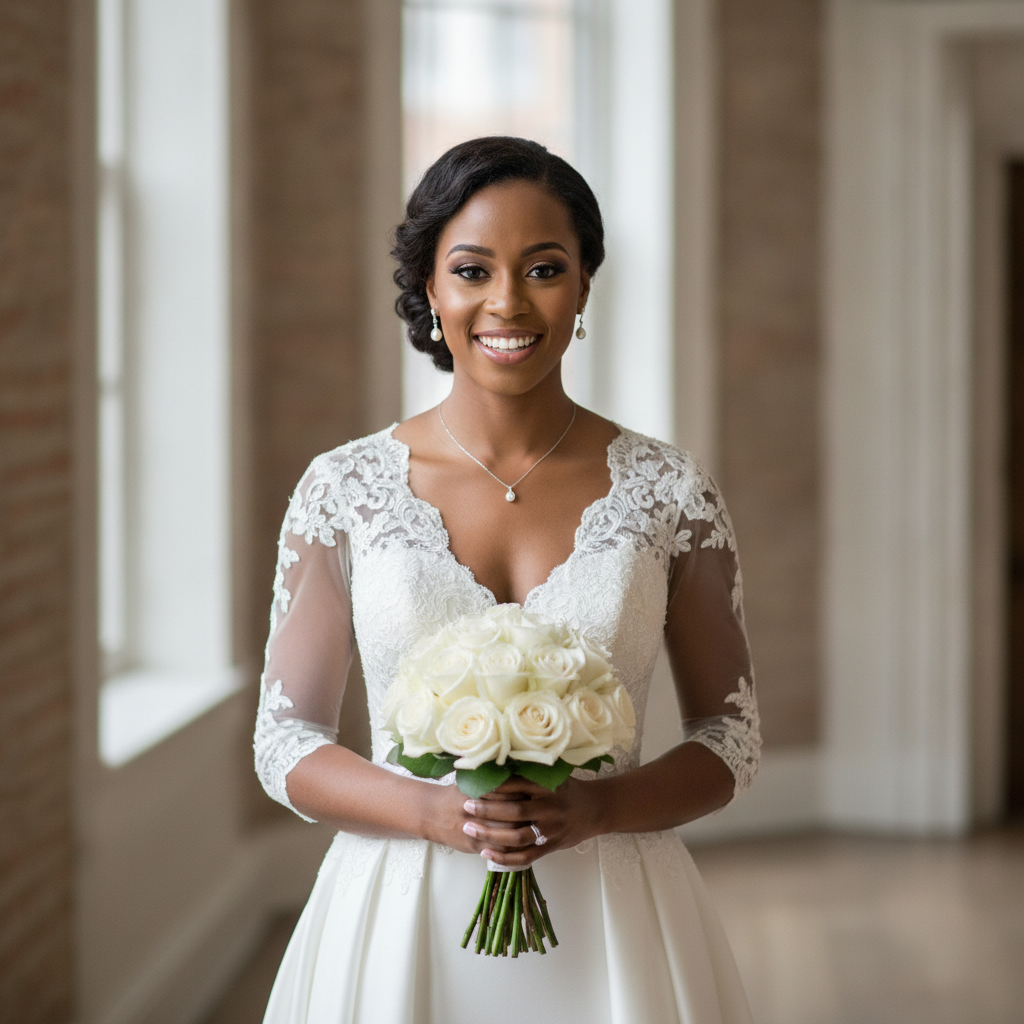
The bridal gown, while often white or ivory in keeping with Western traditions, might incorporate elements of Haitian design through lace patterns, embroidery, or even subtle color accents. Brides may opt for elaborate veils, intricate headpieces, or even a second, more culturally specific outfit for the reception. For the groom, a sharp suit or tuxedo is standard, but some may choose to incorporate traditional Haitian fabrics or a guayabera-style shirt, especially for outdoor or more casual receptions. The bridal party often dresses in vibrant colors, symbolizing joy and prosperity, a stark contrast to more muted palettes seen in other cultures.
Decorations for a Haitian wedding are typically lush and lively. Think tropical flowers like hibiscus, bougainvillea, and orchids in bold hues. Rich fabrics like satin, silk, and even traditional madras patterns might be incorporated into table settings, backdrops, or aisle runners. Gold accents are popular, symbolizing wealth and good fortune. Lighting plays a crucial role in creating a warm, inviting atmosphere, often featuring string lights, lanterns, and candles to enhance the celebratory mood. When you're ready to bring this vision to life, browse decorations vendors on Ajola who understand how to transform a space into a Haitian dream.
The Sacred Union: Ceremony & Blessings
Haitian wedding ceremonies often combine Catholic traditions with unique cultural elements, emphasizing spiritual and communal blessings as the couple embarks on their journey together. Given Haiti's strong Catholic influence, many weddings take place in a church, featuring a full Mass. However, the spiritual aspect extends beyond religious doctrine, weaving in cultural significance and family traditions.
During the ceremony, while the core structure might mirror a Catholic Mass, specific elements can be personalized. Readings might be delivered in Haitian Creole, and hymns or spiritual songs with a distinct Caribbean rhythm may be chosen. The exchange of vows is a deeply personal moment, often reinforced by the presence of close family members standing alongside the couple. Some families might include a special blessing from elders or a moment to honor ancestors, acknowledging the lineage and heritage that brought the couple to this point. These thoughtful touches elevate the ceremony from a mere formality to a profound cultural statement. Event planners should ensure these cultural nuances are respected and seamlessly integrated, perhaps by consulting with a wedding planner on Ajola who specializes in multicultural events.
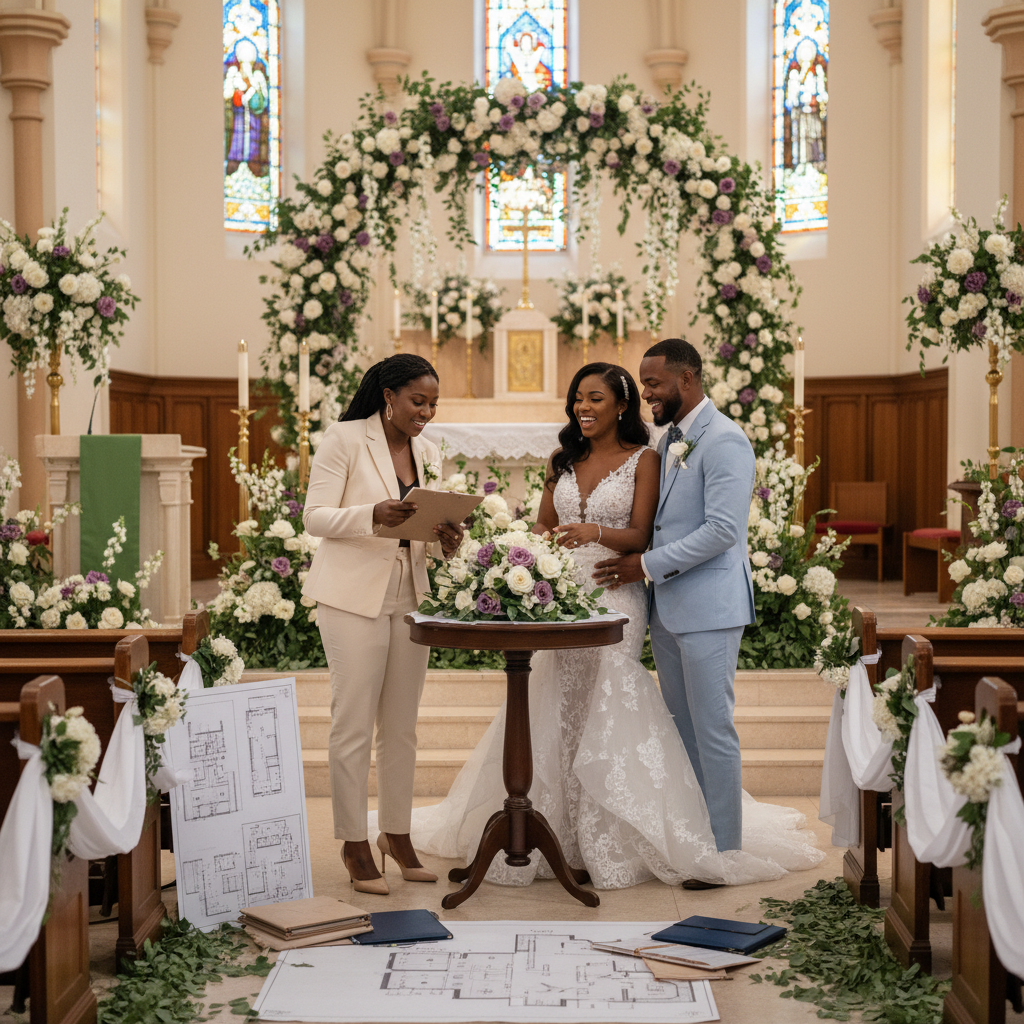
A Black wedding planner, clipboard in hand, consults with a joyful Haitian couple inside a beautifully decorated church, discussing floral arrangements and ceremony logistics.
The concept of unity is paramount. While a unity candle or sand ceremony might be incorporated, the deeper unity is expressed through the communal support surrounding the couple. Guests are not just observers; they are participants in the blessing of the union, often expressing their joy and approval through spontaneous singing or exclamations. It's a testament to the fact that in Haitian culture, a marriage is truly a union of two families and communities.
The Heart of the Celebration: Food, Music & Dance
The reception is a vibrant spectacle of Haitian culture, with a lavish spread of traditional cuisine, infectious music, and spirited dancing that lasts well into the night, making it the undeniable highlight for many guests. This is where the joyous spirit of Haiti truly comes alive.
Culinary Delights: A Feast for the Senses
No Haitian celebration is complete without an abundance of delicious food. The wedding reception typically features a grand buffet laden with staples like Griot (fried pork), Tassot (fried goat), Pikliz (spicy pickled cabbage), Bannann Peze (fried plantains), and a variety of flavorful rice dishes such as Riz Collé aux Pois (rice and beans) or Riz Djon Djon (black mushroom rice). Seafood dishes, like grilled fish or conch, are also common, especially in coastal areas. The wedding cake itself is often a multi-tiered masterpiece, and while flavors can vary, a rich fruitcake soaked in rum is a traditional favorite. For a truly authentic experience, it's crucial to connect with caterers on Ajola who have a proven track record with Haitian cuisine.
The Rhythms of Joy: Music & Dance
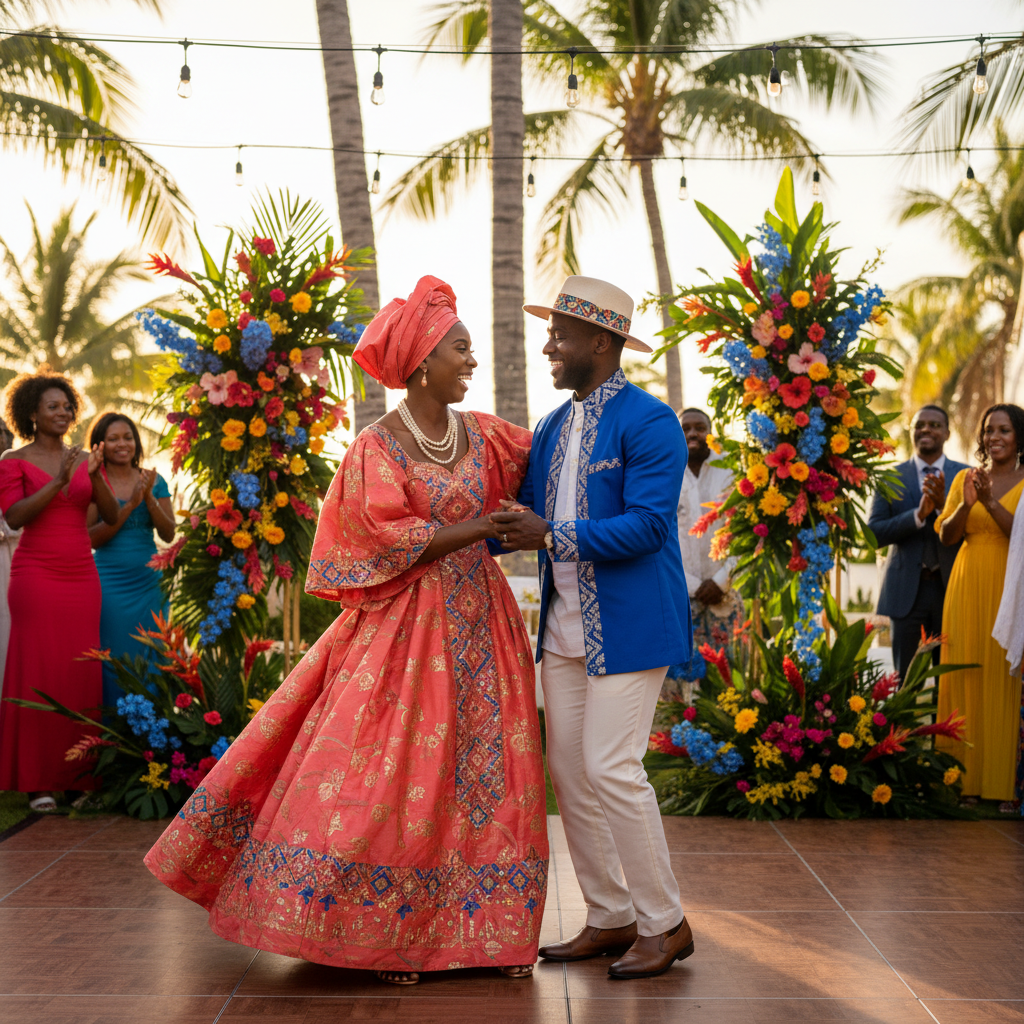
Music is the soul of a Haitian wedding reception. A live band playing Konpa (Compas Direct) is almost a given, getting everyone on their feet. You'll also hear elements of Zouk, Rara, and other Caribbean rhythms. The first dance is a cherished moment, but the real party kicks off when the Konpa starts. Expect guests of all ages to hit the dance floor, showcasing their moves with infectious energy. For those looking to elevate the entertainment, consider ideas like those discussed in our recent post, "Interactive entertainment ideas for Black weddings in 2026". A skilled DJ found on Ajola who specializes in Afro-Caribbean music can keep the energy high all night long.
Symbolic Dances & Traditions
Beyond the general dancing, certain traditions add to the festivities. The "Money Dance", where guests pin money on the couple's attire as they dance, is a popular way to offer blessings and financial support. This is a lively, interactive moment that encourages guest participation and often results in hilarious and heartwarming photos. Other traditions might include specific toasts, or a moment where the couple circulates to greet every guest personally, reinforcing the communal bond. Remember, the goal is celebration, so allow for spontaneity and joy!
Planning Your Haitian Celebration: Expert Tips
Successfully planning a Haitian wedding requires early vendor engagement, clear communication with families, and a deep appreciation for cultural nuances to create an authentic and unforgettable event. Navigating the unique requirements of a Haitian wedding, especially for large guest lists (often 200+), demands strategic foresight.
Selecting Culturally Competent Vendors
Finding vendors who understand and respect Haitian traditions is paramount. This goes beyond just knowing how to cook griot; it's about understanding the flow of a Haitian event, the importance of family, and the specific aesthetic preferences. When you browse vendors on Ajola, prioritize those with experience in Afro-Caribbean events. Ask for portfolios that demonstrate their familiarity with diverse cultural celebrations. For instance, a photographer might need to be prepared for extended family portraits or capturing the energy of the money dance. Similarly, a florist should understand the preference for vibrant, tropical arrangements, as explored in "Floral arrangement trends for Black weddings in 2026".
"The authenticity of a Haitian wedding lies in its details—the specific spices in the food, the rhythm of the music, and the way families come together. Work with vendors who are not just skilled, but culturally attuned." — Renée Dubois, Renée Events & Design, Miami.
Budgeting & Logistics
Haitian weddings can be grand affairs, and budgeting needs to reflect this. Catering, often a significant expense, can range from $70-$150 per plate in major U.S. cities, depending on the menu complexity and service style. Live bands, essential for Konpa, can cost anywhere from $3,000 to $10,000+. Be transparent with your clients about these costs and help them prioritize. Logistics for large guest counts require meticulous planning for transportation, seating, and flow. Consider hiring a day-of coordinator to manage the intricate details, allowing the families to fully immerse themselves in the celebration.
Haitian weddings are a profound expression of love, family, and cultural pride. By embracing these rich traditions and partnering with culturally competent vendors, event planners can help couples create an unforgettable celebration that honors their heritage and joyous future. For vendors looking to connect with clients planning these magnificent events, consider signing up on Ajola to showcase your expertise in the Afro-Caribbean event space.