How to choose between documentary and traditional event photography
April 1, 2026 8 min read Admin
Key Takeaways
Traditional photography excels at capturing formal portraits and iconic, posed moments with meticulous control over lighting and composition.
Documentary photography focuses on candid, unscripted moments, telling the event's story organically without interruption or direction.
Your choice hinges on your personality, the event's formality, and whether you prioritize posed perfection or authentic emotion.
Effective communication with your chosen photographer is paramount, regardless of style, to ensure expectations align.
Expect to invest between $2,500 and $8,000+ for professional event photography, with documentary often commanding a slightly higher premium due to the skill required for unobtrusive capture.
Choosing the right photography style for your event isn't merely a preference; it's a strategic decision that shapes how you'll remember one of life's most significant moments. For African American and Afro-Caribbean celebrations, where cultural nuances, vibrant expressions, and deep connections are paramount, selecting between documentary and traditional photography becomes even more critical. Each style offers a distinct lens through which your story unfolds, demanding a careful consideration of what truly matters to you.
Understanding the Core Differences Between Documentary and Traditional Event Photography
The fundamental distinction between documentary and traditional event photography lies in their approach to capturing moments: traditional photography is largely about creating moments through direction, while documentary photography is about observing and preserving moments as they naturally happen. Traditional photographers often guide subjects, arrange groups, and meticulously set up shots to achieve a polished, classic aesthetic, ensuring every smile is perfectly aligned and every detail is spotlighted. In contrast, documentary photographers act as silent observers, blending into the background to capture genuine emotions, unscripted interactions, and the authentic flow of the day without intervention.
Think of traditional photography as a meticulously curated gallery, where each piece is a masterpiece of composition and light, often featuring classic poses and formal portraits designed to stand the test of time. Documentary photography, on the other hand, is like a heartfelt visual journal, filled with candid snapshots that convey the raw emotion, energy, and unspoken stories of your event. For a lavish Haitian wedding, for instance, a traditional photographer might focus on the elaborate attire and the ceremonial aspects with structured shots, while a documentary photographer would capture the spontaneous joy of the konpa line dance and the intimate glances between family members. Both are valuable, but they serve different narrative purposes.
The Case for Traditional Photography: Posed Perfection and Classic Moments
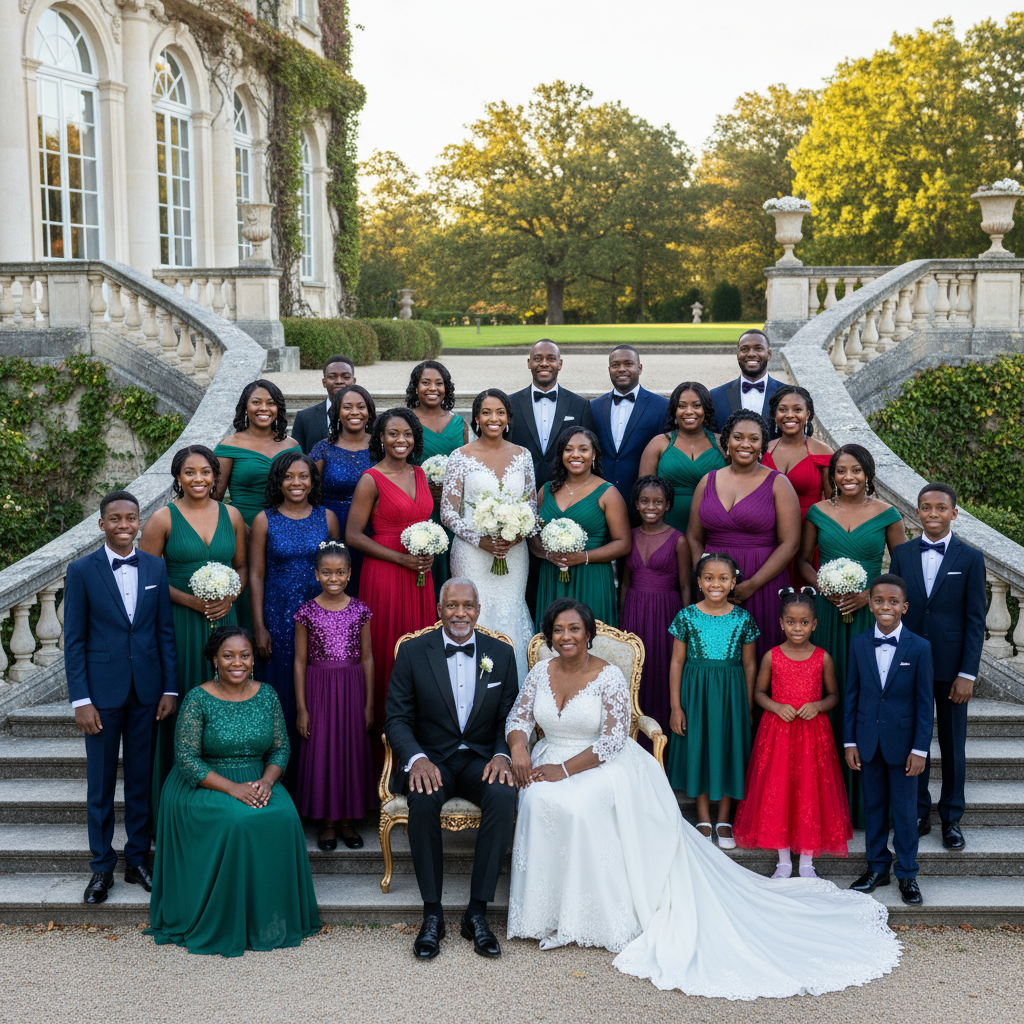
Traditional photography is ideal for those who value classic elegance, structured portraits, and a gallery of perfectly composed images that showcase every detail. This style ensures that key individuals and groups are prominently featured, and important ceremonial moments are captured with precision and grandeur. Many African American families, particularly for milestone events like weddings or elaborate anniversaries, appreciate the timeless appeal of formal family portraits and beautifully staged shots that can be proudly displayed for generations.
A traditional photographer brings a level of control and direction that can be incredibly reassuring, especially during high-stakes events. They'll guide you through poses, manage group shots efficiently, and ensure everyone looks their best. This style is particularly effective for large family gatherings where getting everyone together for a formal shot is a priority, or for events where specific cultural rituals need to be documented in a precise, reverent manner. You'll receive a collection of crisp, vibrant images that often feel grand and iconic. When you're browsing photographers on Ajola, look for portfolios that showcase stunning formal portraits, clear group shots, and beautifully lit scenes that evoke a sense of occasion. Expect a traditional photographer in a major market like Atlanta or Washington D.C. to typically charge between $2,500 and $6,000 for a full day's event, depending on experience and package inclusions.
A large African American family, dressed in elegant formal attire, posed smiling for a traditional wedding photograph on the grand steps of a historic mansion. Shot on Canon EOS R5, 35mm lens, natural lighting, editorial photography.
Embracing Documentary Photography: Authentic Storytelling and Candid Emotion
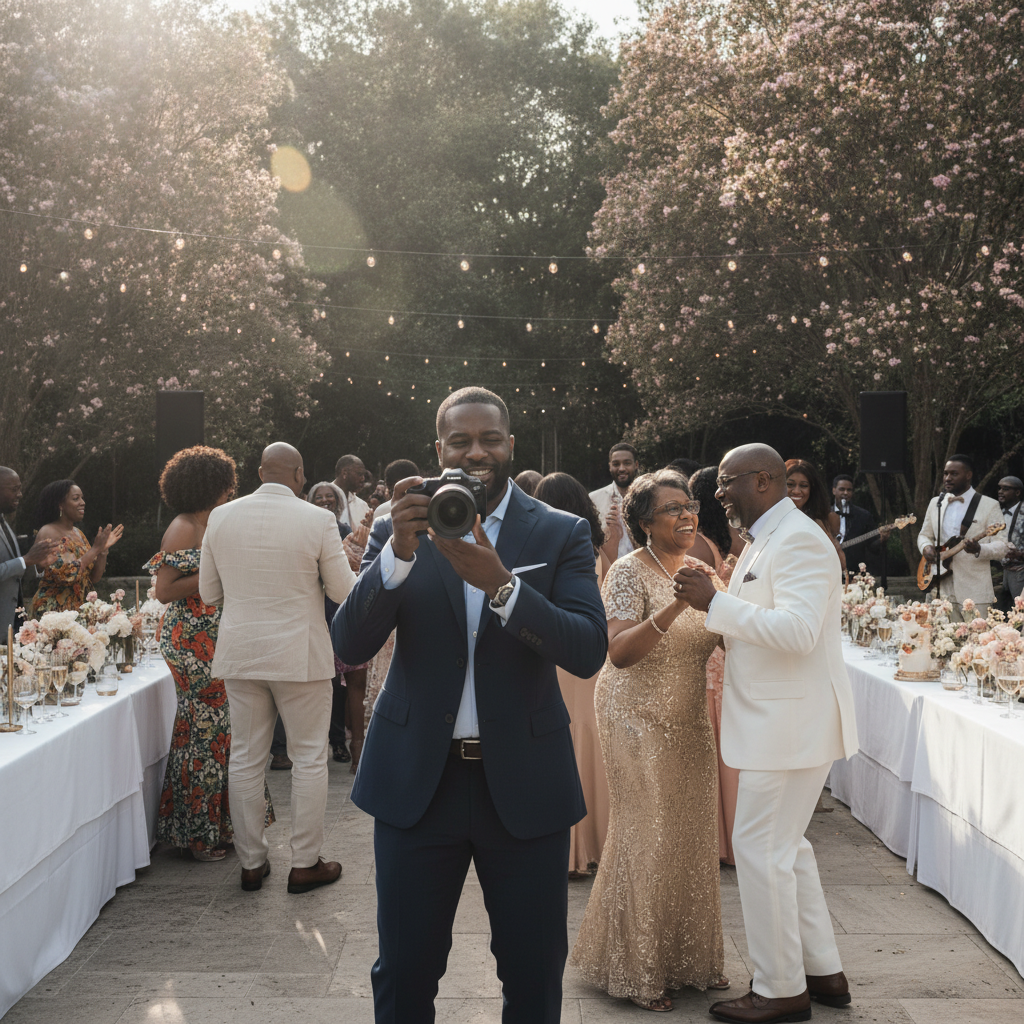
Documentary photography shines when your priority is capturing the genuine, unscripted emotions and the authentic flow of your event, creating a visual narrative that feels truly alive. This style is perfect for those who prefer to experience their event without constant interruption for posed shots, allowing the photographer to blend into the background and capture moments as they naturally unfold. It's about preserving the laughter, the tears, the unexpected hugs, and the subtle interactions that truly tell the story of your day.
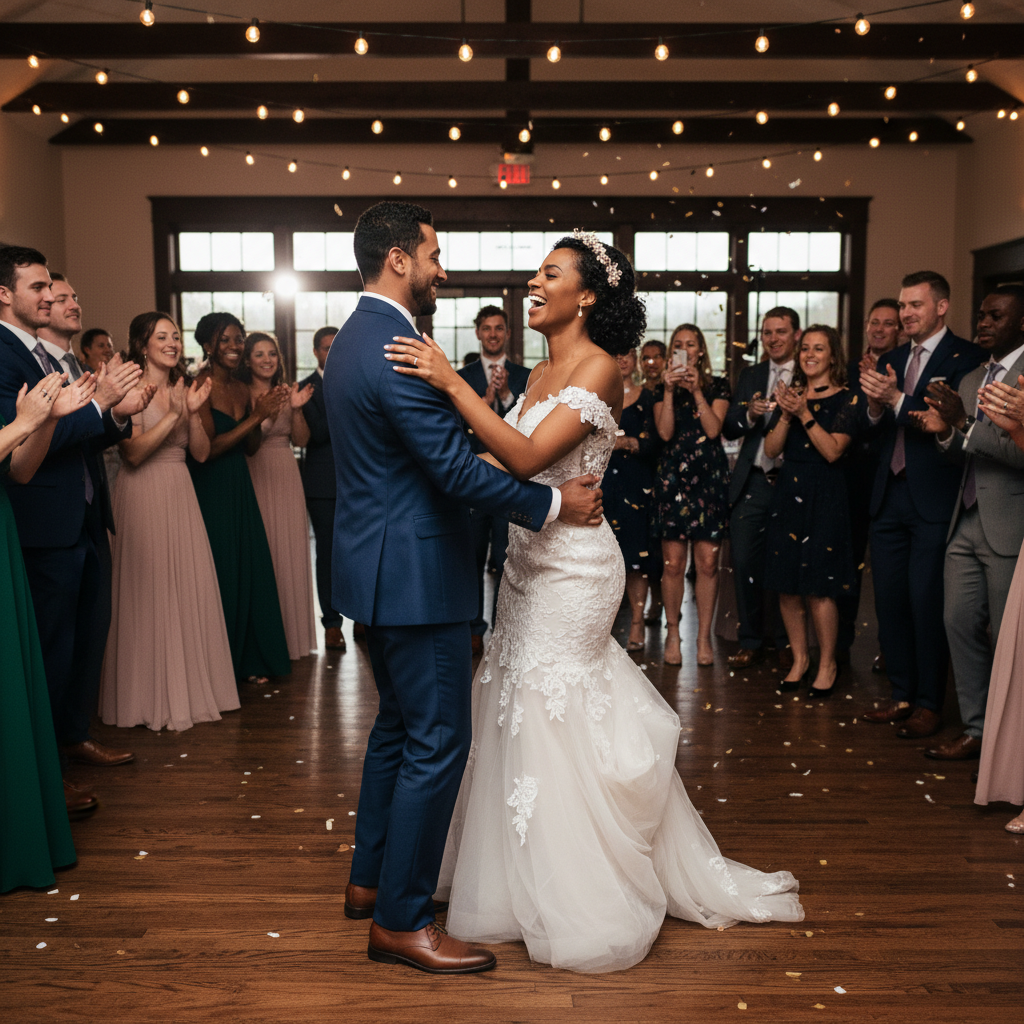
For many African American and Afro-Caribbean events, where spontaneity, vibrant energy, and deep communal bonds are central, documentary photography can be incredibly powerful. It captures the essence of a lively family reunion, the raw emotion of a father-daughter dance, or the uninhibited joy of guests dancing to reggae or Afrobeats. A skilled documentary photographer anticipates moments, uses available light creatively, and has an uncanny ability to be in the right place at the right time without being intrusive. When you're looking to hire a wedding photographer on Ajola, specifically for a documentary approach, seek out portfolios that feature dynamic action shots, intimate close-ups of genuine expressions, and a cohesive storytelling quality across a series of images. While rates vary, a talented documentary photographer often commands a premium, ranging from $3,500 to $8,000+ in cities like New York or Houston, due to the specialized skill set required to capture compelling images without direction.
Making Your Choice: Factors to Consider
Deciding between these two powerful styles requires introspection and a clear understanding of your event's nature and your personal preferences. Start by asking yourself: What feeling do I want to evoke when I look back at these photos in 10, 20, or even 50 years?
Your Personality & Comfort: Are you comfortable being directed and posing for the camera, or do you prefer to be an unobserved participant? If the thought of constant posing stresses you, documentary might be a better fit.
Event Formality & Type: Highly formal events, like traditional weddings or galas, often benefit from the structure of traditional photography. More relaxed celebrations, like family reunions or engagement parties, lend themselves beautifully to documentary storytelling. For a family reunion, you might also consider what kind of DJ you'll hire to set the mood that a documentary photographer can capture.
Desired Outcome: Do you envision a wall filled with perfectly framed portraits, or an album bursting with candid, emotional moments? Some clients even opt for a hybrid approach, combining elements of both styles, which can be a fantastic way to get the best of both worlds. This often means having a primary documentary photographer with an assistant focusing on specific posed shots.
Budget: While both styles can be premium investments, true documentary artistry often requires more experience and a keen eye, potentially influencing pricing. Always discuss your vision and budget transparently with potential vendors. Learning how to handle vendor negotiations is a crucial skill here.
Consider the cultural significance of your event too. For example, if you're planning a Haitian wedding, you might want a traditional approach to capture the grandeur of the church ceremony and formal family blessings, while also desiring a documentary approach for the lively reception and cultural dances.
An African American bride laughing joyfully as she dances with her groom, surrounded by friends and family on a brightly lit dance floor. The photographer is subtly capturing the candid moment from a distance. Shot on Canon EOS R5, 35mm lens, natural lighting, editorial photography.
Working with Your Photographer: Communication is Key
Regardless of the style you choose, clear and consistent communication with your photographer is non-negotiable. Once you've explored portfolios and found a professional whose vision aligns with yours—perhaps by browsing talented photographers on Ajola—schedule a detailed consultation. Discuss your expectations, your event timeline, specific cultural traditions you want highlighted, and any must-have shots. If you opt for a hybrid approach, ensure your photographer understands the balance you seek between directed and candid moments.
Review their contract carefully, understanding what's included in your package, delivery timelines, and usage rights. For vendors, understanding how to write contracts is vital. Don't hesitate to share a mood board or a list of specific moments you hope to see captured. A great photographer, whether traditional or documentary, will be an expert at translating your vision into stunning imagery. Remember, your photographer is more than just a camera operator; they are a storyteller, an artist, and a crucial partner in preserving your memories.
Ultimately, the best photography style is the one that authentically reflects your story and brings you the most joy when you revisit those cherished moments. Take your time, explore options, and trust your gut. And for event professionals looking to connect with clients who value their unique artistic vision, consider joining the community and signing up as a vendor on Ajola.