How to write a DJ brief that gets exactly the music you want
April 16, 2026 9 min read Admin
Key Takeaways
A detailed DJ brief is crucial for aligning your musical vision with your DJ's performance, ensuring your event's atmosphere is perfectly curated.
Include non-negotiable details like event type, audience demographics, desired genres, and specific "do not play" lists.
Don't overlook technical and logistical requirements such as equipment needs, setup times, and power access.
Effective communication, a clear format for your brief, and a willingness to discuss details are key to a successful partnership.
Avoid vagueness, last-minute changes, and underestimating the importance of a clear brief to prevent common event mishaps.
The music at your event isn't just background noise; it's the heartbeat, the soul, the energy that dictates the entire experience. Whether you're planning a lively family reunion, a sophisticated corporate gala, or a vibrant wedding reception, securing a DJ who truly understands your vision is paramount. The secret to achieving this perfect auditory alignment isn't luck – it's a meticulously crafted DJ brief. This isn't just a playlist request; it's a strategic document that empowers your DJ to deliver an unforgettable performance tailored specifically to your audience and desired atmosphere.
What Exactly is a DJ Brief and Why Does it Matter?
A DJ brief is a comprehensive document outlining all the essential information a DJ needs to understand your event, your musical preferences, and your expectations. It matters because it serves as the foundational agreement, preventing misunderstandings and ensuring that the DJ's service directly supports your event's goals.
Think of it as your event's musical blueprint. Without a clear brief, even the most talented DJ is operating in the dark. This can lead to a mismatched vibe, inappropriate song choices, or even technical hiccups, all of which can detract significantly from the guest experience. For an event planner or host, a poorly briefed DJ means spending valuable time troubleshooting instead of enjoying the celebration. The financial implications can also be substantial; rebooking a DJ last minute or dealing with an unhappy client due to a mismatched musical atmosphere can easily cost hundreds, if not thousands, of dollars in lost reputation or direct refunds.
Crafting Your Vision: The Non-Negotiables
To truly get the music you want, you must clearly articulate the core elements of your event and your musical preferences. These are the absolute must-haves that form the backbone of your brief.
Event Type & Theme: Is it a birthday party, a wedding, a corporate mixer, or a cultural celebration? The theme (e.g., 90s throwback, Afrobeats festival, Caribbean carnival) will heavily influence the music selection. For instance, a Trinidadian wedding might require specific traditional sounds alongside contemporary hits, as discussed in our article on Trinidadian wedding traditions.
Date, Time & Venue: Provide the exact date, start and end times for the DJ's performance, and the venue address. Specify if there are different zones requiring different music or sound levels (e.g., cocktail hour vs. main reception).
Guest Count & Demographics: Knowing the approximate number of guests and their age range, cultural background, and general musical tastes is critical. A mixed crowd of Gen Z and Baby Boomers will require a different approach than a room full of college graduates.
Overall Vibe & Atmosphere: Use descriptive adjectives. Do you want energetic, sophisticated, relaxed, celebratory, soulful, or high-energy? This helps the DJ understand the feeling you're aiming for.
Musical Genres: Be specific. List preferred genres (e.g., R&B, Neo-Soul, Amapiano, Hip Hop, Reggae, Soca, Gospel, Jazz). Crucially, also list genres or artists that are absolutely off-limits. This "do not play" list is just as important as your "must play" list.
Key Songs & Moments: Identify any specific songs for grand entrances, first dances, cake cutting, or other significant moments. If you have a curated playlist for a specific portion of the event, share it.
"A good DJ brief isn't about controlling every song; it's about providing the framework for a professional to excel within your vision."
When you're ready to find a DJ who can bring this vision to life, remember that Ajola's platform allows you to browse DJs and other vendors who specialize in diverse cultural events and musical styles. You can even narrow your search to find DJs on Ajola who align with your specific genre needs.
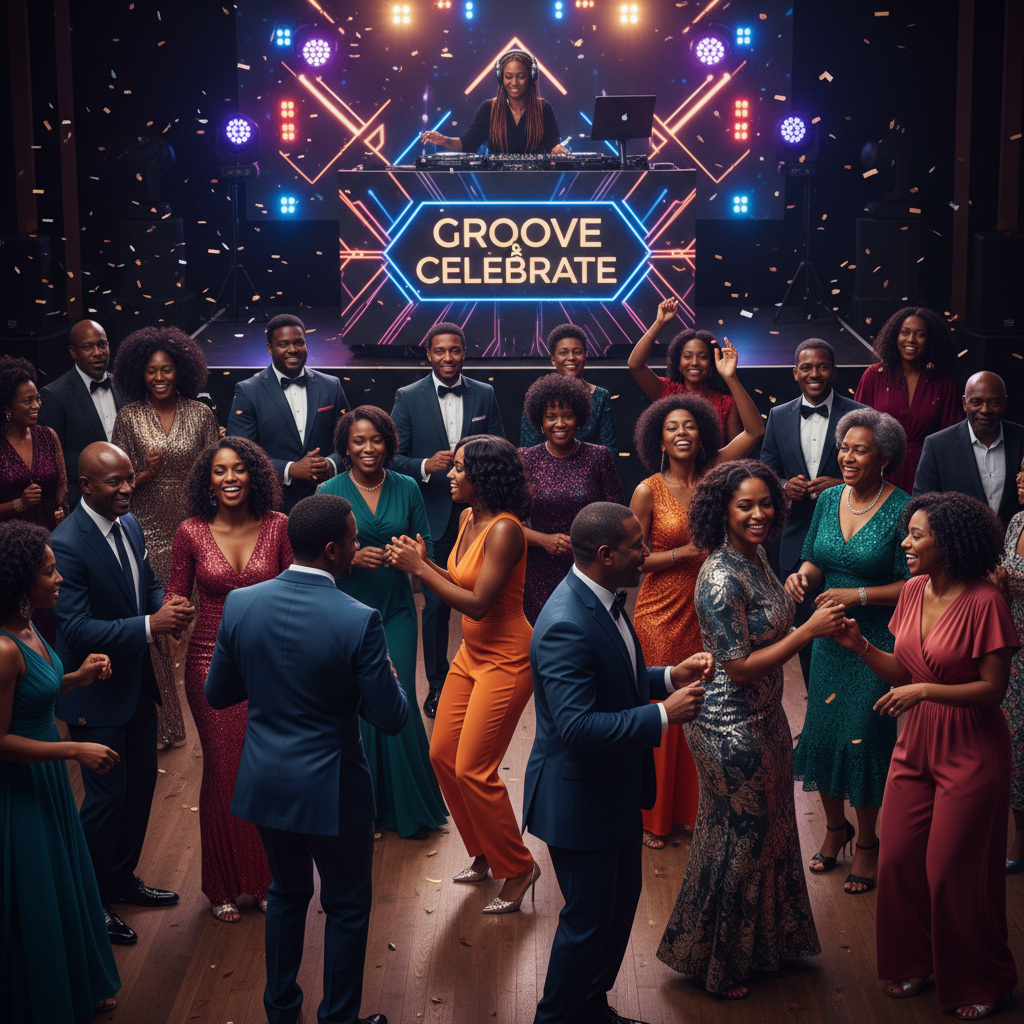
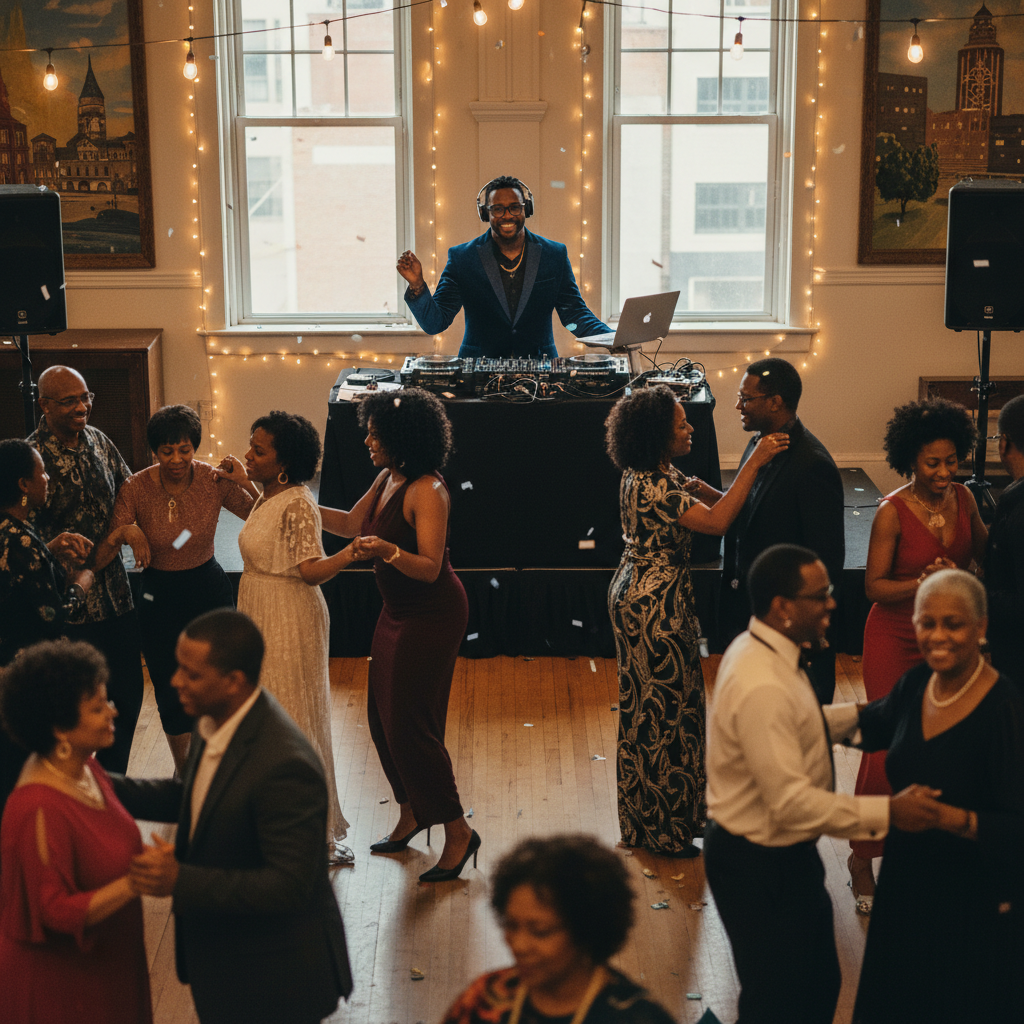
A vibrant, lively dance floor filled with African American guests of all ages, dressed in stylish event attire, dancing joyfully to a DJ playing music. The DJ booth is visible in the background, illuminated with dynamic lighting. Shot on Canon EOS R5, 35mm lens, natural lighting, editorial photography.
Beyond the Playlist: Technical & Logistical Details
While music selection is central, a successful DJ performance hinges on more than just tunes. The logistical and technical aspects are critical for seamless execution.
Equipment Needs: Clearly state what equipment the DJ is expected to provide (e.g., sound system for X number of guests, microphones for speeches, basic lighting, uplighting, fog machine). Confirm if the venue provides any of these.
Setup & Teardown Times: Provide precise windows for when the DJ can arrive for setup and when they must be packed up and out. Factor in venue access rules and any sound checks required.
Power Requirements: Inquire about power outlets and dedicated circuits at the performance area. Large sound systems require adequate power, and understanding this upfront prevents last-minute scrambles.
Dress Code: Inform the DJ of any specific dress code for your event (e.g., black tie, semi-formal, themed attire).
Announcements & MC Duties: Clarify if the DJ is expected to make announcements, serve as an MC, or if a separate MC will handle those duties. If they are MCing, provide a script or key announcement points.
Contingency Plans: Discuss backup plans for equipment failure or unexpected delays. A professional DJ will usually have these in place, but it's good to confirm.
Point of Contact: Designate a clear point person for the DJ on the day of the event, someone who can make quick decisions if needed, and isn't the primary host or guest of honor.
Remember, a DJ is often more than just a music selector; they are a key part of your event's production team. Providing these details ensures they can perform optimally and integrate seamlessly with other vendors, such as caterers or decorators you might find through Ajola's vendor network.
The Art of Communication: Delivering Your Brief Effectively
A well-written brief is only effective if it's communicated clearly and collaboratively. Don't just send it and assume everything is understood.
Formatting Your Brief:
While a simple email can work for smaller, less formal events, for larger celebrations, consider a more structured document. This could be a shared Google Doc, a PDF, or even a section within your event planning software. Organize it with clear headings and bullet points. Include a summary at the beginning. Consider creating a timeline that integrates the DJ's performance with other event activities.
Follow-Up & Discussion:
After sharing the brief, schedule a call or meeting with the DJ to walk through it. This allows them to ask questions, clarify any ambiguities, and offer professional insights. A good DJ will appreciate the thoroughness and use this opportunity to better understand your vision.
Budget & Contract Review:
Be transparent about your budget. While DJ rates can vary widely, expect to pay anywhere from $800 to $3,000+ for 4-6 hours of service for experienced professionals, depending on location (e.g., New York DJs might be on the higher end) and equipment needs. Always review the contract carefully, ensuring it reflects everything discussed in your brief, including performance times, equipment, and any specific requests. For vendors looking to streamline their booking process and attract more clients, consider signing up as a vendor on Ajola to showcase your services and expertise.
A Black event planner, dressed professionally, sitting at a conference table with a DJ, reviewing a detailed event brief on a tablet. They are both smiling and engaged in discussion, with a laptop and paper notes scattered on the table. Shot on Canon EOS R5, 35mm lens, natural lighting, editorial photography.
Common Pitfalls to Avoid
Even with the best intentions, mistakes can happen. Steering clear of these common errors will significantly improve your chances of musical success.
Vagueness: "Play some good music" is not a brief. It's a recipe for disaster. Be specific with genres, moods, and specific song examples.
Last-Minute Changes: While some flexibility is always required in event planning, major changes to the brief or playlist close to the event date can stress your DJ and compromise performance quality. If changes are unavoidable, communicate them immediately and understand there may be associated fees or limitations.
Ignoring the DJ's Expertise: You've hired a professional for a reason. While your vision is paramount, be open to their suggestions, especially regarding song flow, crowd reading, and technical setup. They often have insights that can elevate your event.
No Clear Point of Contact: The DJ shouldn't be hunting down the bride or groom for minor questions during the event. Designate a trusted friend, family member, or event planner as the go-to person.
Insufficient Budget for Quality: Expecting top-tier talent and equipment for a minimal fee is unrealistic. Quality DJs invest in their gear, their music library, and their skills. Skimping here can lead to equipment failures, poor sound, or a less experienced performer. For tips on managing event costs, you might find our article on planning an event on a tight budget in Chicago helpful, but always prioritize key elements like a quality DJ.
The success of your event's soundtrack lies directly in the clarity and detail of your DJ brief. It's an investment of time upfront that pays dividends in perfectly matched music, a vibrant atmosphere, and a stress-free experience for you and your guests. By following these guidelines, you're not just hiring a DJ; you're partnering with a professional to craft the exact auditory experience you envision.
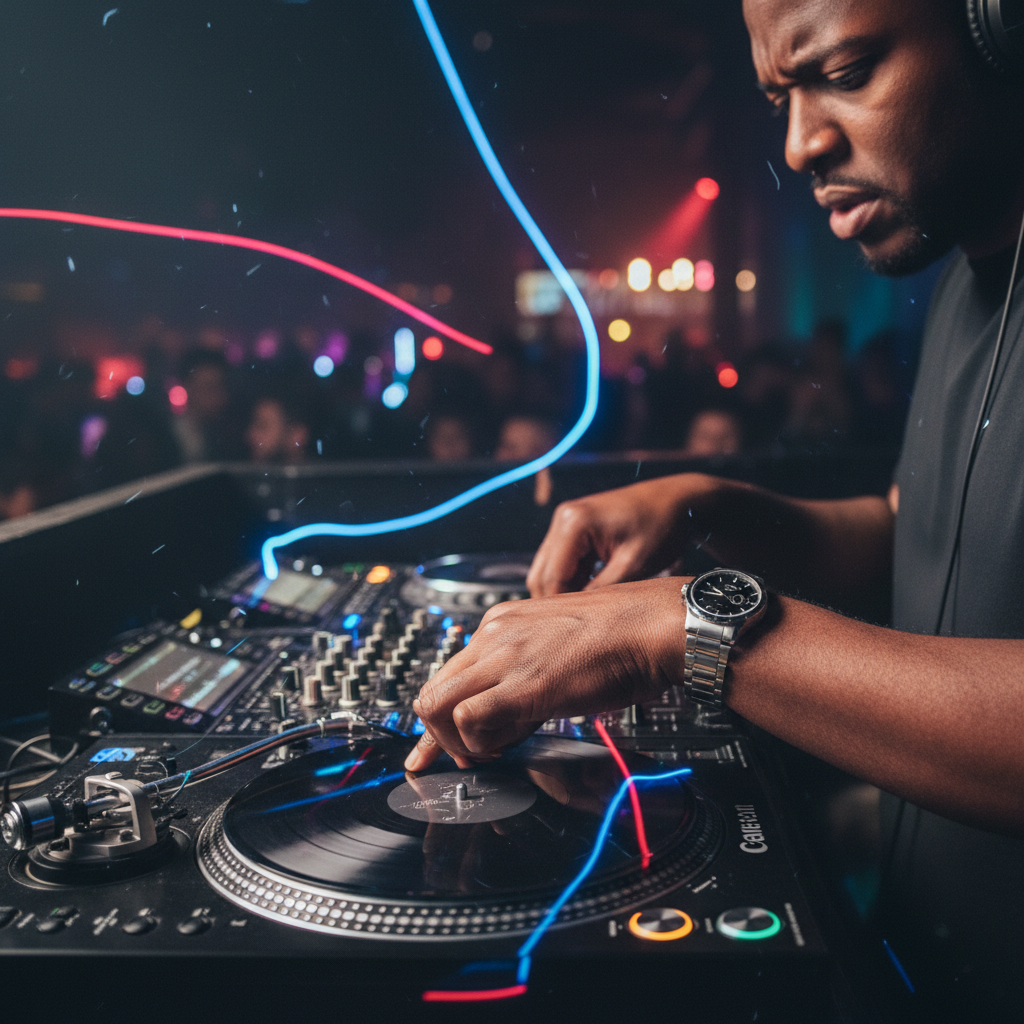
Close-up of a Black DJ's hands expertly mixing tracks on a turntable and mixer, with vibrant club lights reflecting on the equipment. The DJ is wearing a stylish watch and focused expression. Shot on Canon EOS R5, 35mm lens, natural lighting, editorial photography.