Ground your Kwanzaa celebration in the Nguzo Saba, ensuring each principle is honored through activities and discourse.
Curate an authentic ambiance with symbolic decorations like the Kinara, Mkeka, and Mazao, sourced from Black-owned businesses.
Design a vibrant menu featuring traditional African and diaspora dishes, emphasizing communal feasting and shared heritage.
Engage guests through storytelling, drumming, candle lighting, and a strong focus on community participation.
Strategically partner with Black-owned vendors for catering, decor, and entertainment to enrich the cultural experience and support the community.
Develop a realistic budget that prioritizes impact and authentic cultural representation while allowing for vendor excellence.
Planning a truly memorable Kwanzaa celebration in 2026 means moving beyond mere festivity and delving into the profound cultural significance of the holiday. It’s about intentionality, community, and honoring our heritage. For African American and Afro-Caribbean event planners, this isn't just another booking; it's an opportunity to create an experience that resonates deeply with the Nguzo Saba, the Seven Principles. Let's explore how to craft a celebration that is both joyous and deeply meaningful.
Understanding the Nguzo Saba: The Heart of Kwanzaa
The Nguzo Saba, or Seven Principles, are the philosophical foundation of Kwanzaa, guiding every aspect of a meaningful celebration. Each principle—Umoja (Unity), Kujichagulia (Self-Determination), Ujima (Collective Work and Responsibility), Ujamaa (Cooperative Economics), Nia (Purpose), Kuumba (Creativity), and Imani (Faith)—offers a framework for community building and cultural affirmation. Integrating these principles means designing activities and discussions that bring them to life, fostering a sense of shared purpose and connection among attendees.
For example, Umoja can be celebrated through collective storytelling or a communal meal where everyone contributes. Kujichagulia can inspire workshops on personal growth or cultural identity. Ujamaa, perhaps one of the most vital for event planners, encourages us to support Black-owned businesses and entrepreneurs, directly circulating wealth within our communities. When you're sourcing, think about who you're empowering. Are you actively seeking out Black-owned caterers, decorators, and entertainers? This isn't just good practice; it's a direct embodiment of Kwanzaa's principles.
Setting the Scene: Decor and Ambiance
Creating an authentic Kwanzaa ambiance involves more than just decorations; it's about invoking reverence and cultural pride. The core symbols – the Kinara (candle holder), Mkeka (mat), Muhindi (corn), Mazao (crops), Kikombe cha Umoja (unity cup), and Mishumaa Saba (seven candles) – are non-negotiable and should be displayed prominently. These items aren't merely decorative; they are visual representations of the holiday's spiritual and historical significance.
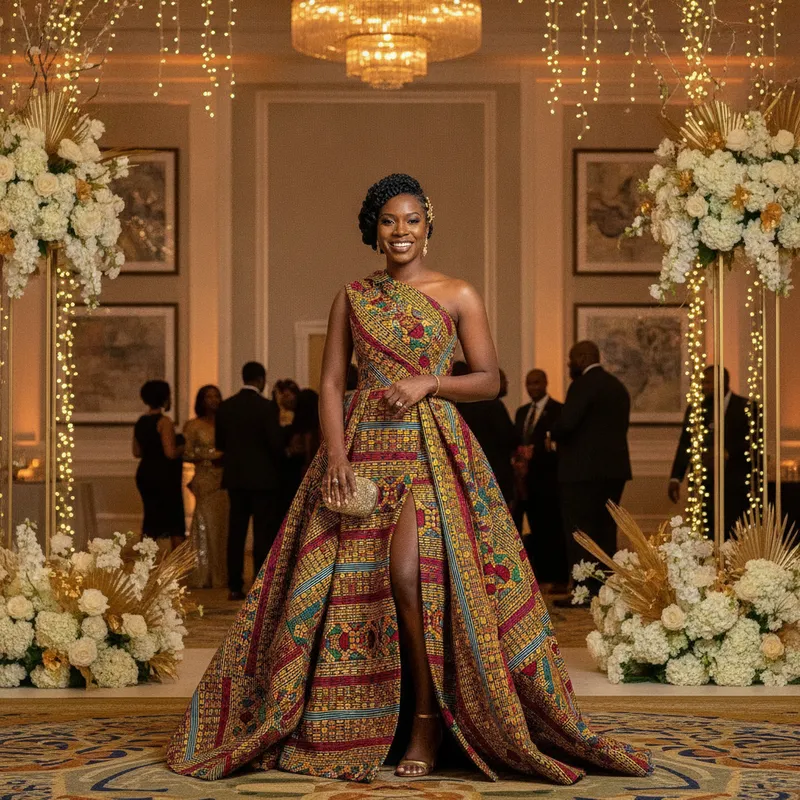
Beyond the essential symbols, consider incorporating rich, earthy tones like red, black, and green into your color scheme, reflecting the Pan-African flag. Utilize natural materials such as woven baskets, calabashes, and textiles with African prints. Think about lighting: warm, inviting glow from candles and soft ambient lights can create a powerful, intimate atmosphere, perfect for reflection and fellowship. For those looking to elevate their decor, browsing event decorators on Ajola can connect you with talented artisans who understand culturally specific aesthetics. A small, beautifully crafted Kinara might cost $50-$150, while a full decor package for a larger event, including symbolic elements and thematic styling, could range from $500 to $2,500, depending on the scale and complexity.
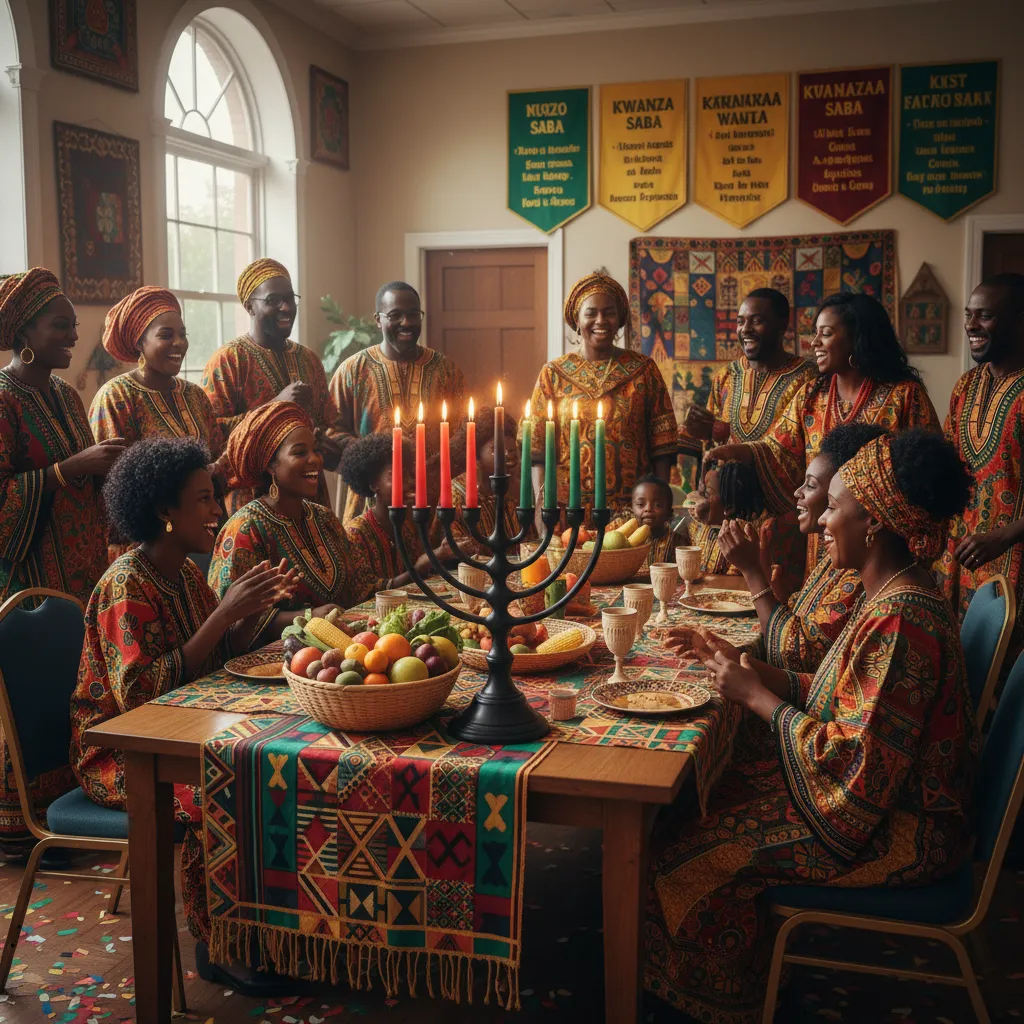
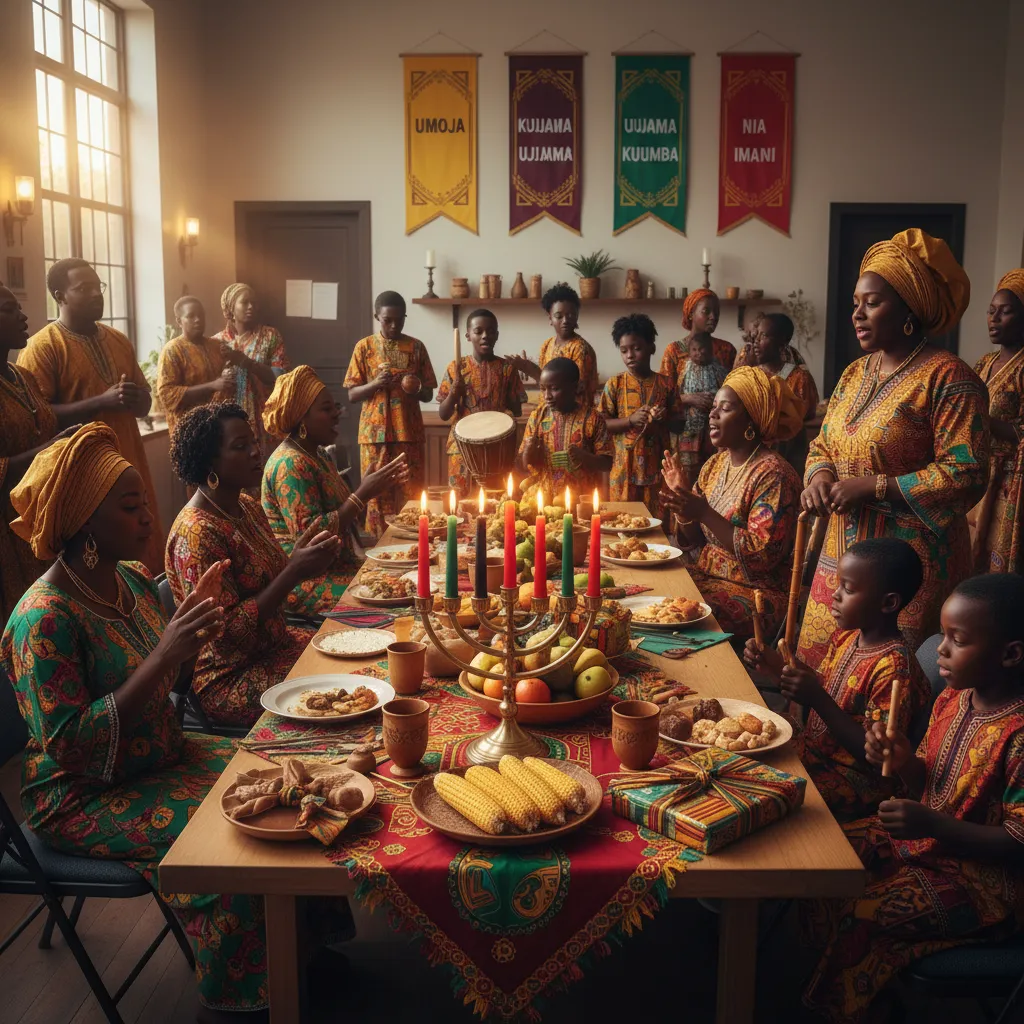
A vibrant Kwanzaa celebration scene in a community center, with a large.
Crafting the Menu: Feasts and Flavors
The Kwanzaa karamu, or feast, is a cornerstone of the celebration, symbolizing communal sharing and the bounty of the harvest. This isn't the time for generic catering; it's an opportunity to showcase the richness and diversity of African diaspora cuisine. Plan a menu that is both delicious and culturally significant, featuring dishes that tell a story and evoke a sense of heritage.
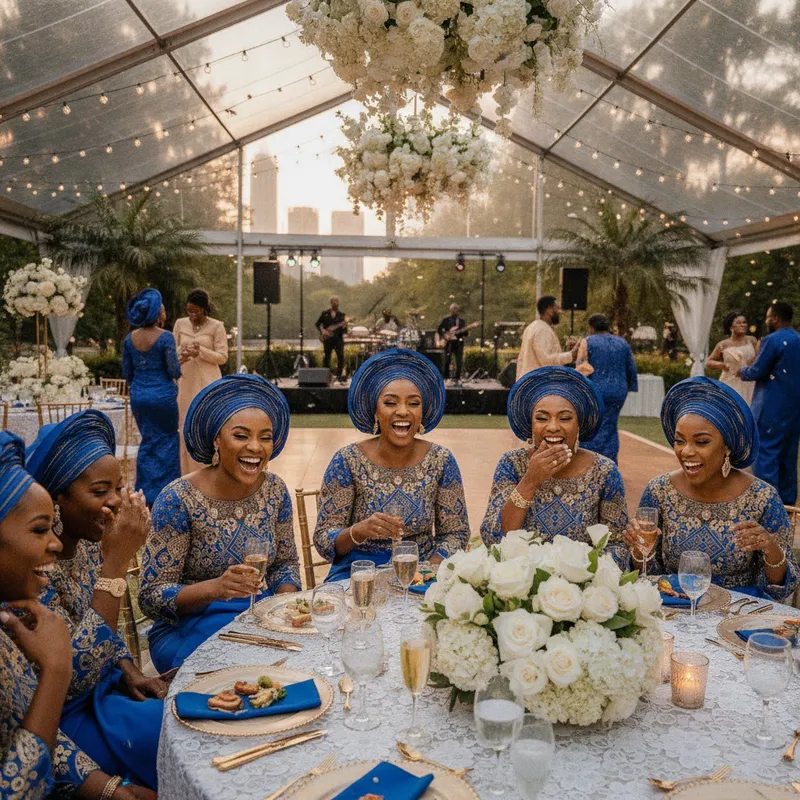
Consider a diverse spread that might include: Jollof Rice (West African), Collard Greens (Southern U.S.), Black-Eyed Peas (Southern U.S./Caribbean), Stewed Oxtail (Caribbean), Macaroni and Cheese (Southern U.S.), and various seafood preparations. Don't forget fresh fruits and vegetables, symbolizing the Mazao. For beverages, hibiscus tea (sorrel) or ginger beer are excellent, culturally relevant choices. When budgeting for catering, expect costs to range from $35 to $80 per person for a robust, culturally specific meal from a reputable Black-owned caterer. You can easily find caterers near you on Ajola who specialize in authentic African and Caribbean cuisine, ensuring your karamu is both delicious and culturally appropriate.
"The karamu is more than a meal; it's a living tradition, a time when we collectively nourish our bodies and spirits, reaffirming our bonds and our shared journey." - Dr. Maulana Karenga
Engaging the Community: Activities and Rituals
A Kwanzaa celebration thrives on active participation and communal engagement, moving beyond passive observation to create an immersive experience. The rituals are central: the lighting of the Mishumaa Saba each night, the pouring of libation, and the sharing of the Kikombe cha Umoja. These acts are powerful affirmations of unity and heritage, and should be explained and led with reverence.
Beyond the core rituals, incorporate activities that encourage interaction and reflection. Storytelling circles, especially those focusing on African myths, folktales, or family histories, are incredibly impactful. Drumming circles or performances by local African American or Afro-Caribbean musicians can elevate the energy and connect attendees to ancestral rhythms. Consider also a Talent Showcase where community members, particularly children, can share their creativity (Kuumba) through poetry, song, or dance. For more ideas on engaging entertainment, check out our post on best Black-owned entertainment companies in Atlanta, many of whom offer services applicable nationwide. Remember, the goal is to foster an environment where everyone feels connected, valued, and empowered.
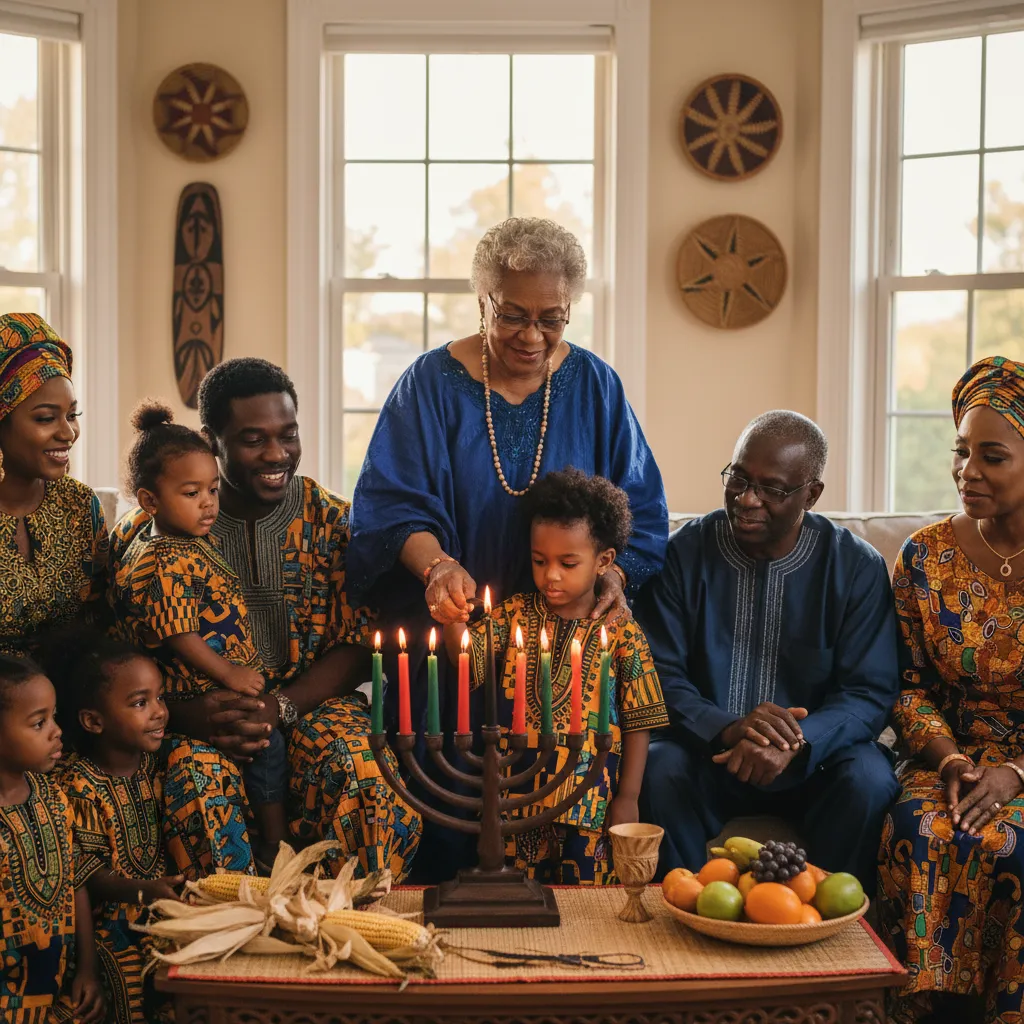
A Black family, including children and elders, participating in a Kwanzaa candle-lighting ceremony.
Vendor Selection: Partnering for a Seamless Celebration
The success of your Kwanzaa celebration hinges significantly on your vendor partners. Choosing the right team—from caterers to decorators, entertainers, and even event planners—is an embodiment of Ujamaa (Cooperative Economics). Prioritizing Black-owned businesses not only aligns with the spirit of Kwanzaa but also ensures that your event budget directly supports and strengthens the economic fabric of our communities.
When selecting vendors, look for those with a proven track record in cultural events. Do they understand the nuances of Kwanzaa? Can they provide references from other culturally specific celebrations? On Ajola, you can filter your search to discover Black-owned businesses across various categories, making it easier to build an authentic and impactful vendor team. For instance, if you're planning in Charlotte, you might find inspiration from our article on the best Black-owned event decorators in Charlotte. Always review portfolios, read testimonials, and schedule consultations to ensure their vision aligns with yours. A strong vendor relationship is collaborative, built on mutual respect and a shared understanding of your event's purpose.
Budgeting for a Meaningful Kwanzaa
Strategic budgeting is crucial for bringing your Kwanzaa vision to life without compromising on authenticity or quality. Start by outlining your priorities: Is a lavish karamu more important, or is investing in powerful cultural entertainment paramount? Allocate funds based on these priorities, keeping the Nguzo Saba principles at the forefront of your financial decisions.
A typical Kwanzaa event budget for a mid-sized community gathering (50-100 guests) might look like this: Catering (40-50%), Decor & Symbolic Items (15-20%), Entertainment/Performers (10-15%), Venue Rental (10-15%), and a contingency fund (5-10%). Remember, while some items like the Kinara or Mkeka are one-time purchases, others like fresh produce for the Mazao or specific performance artists will be recurring costs. Don't shy away from negotiating with vendors, but also recognize the value of expertise and culturally appropriate services. For event planners looking to grow their business through cultural events, understanding these nuances is key, as highlighted in our guide on how to grow your event business in DMV in 2026.
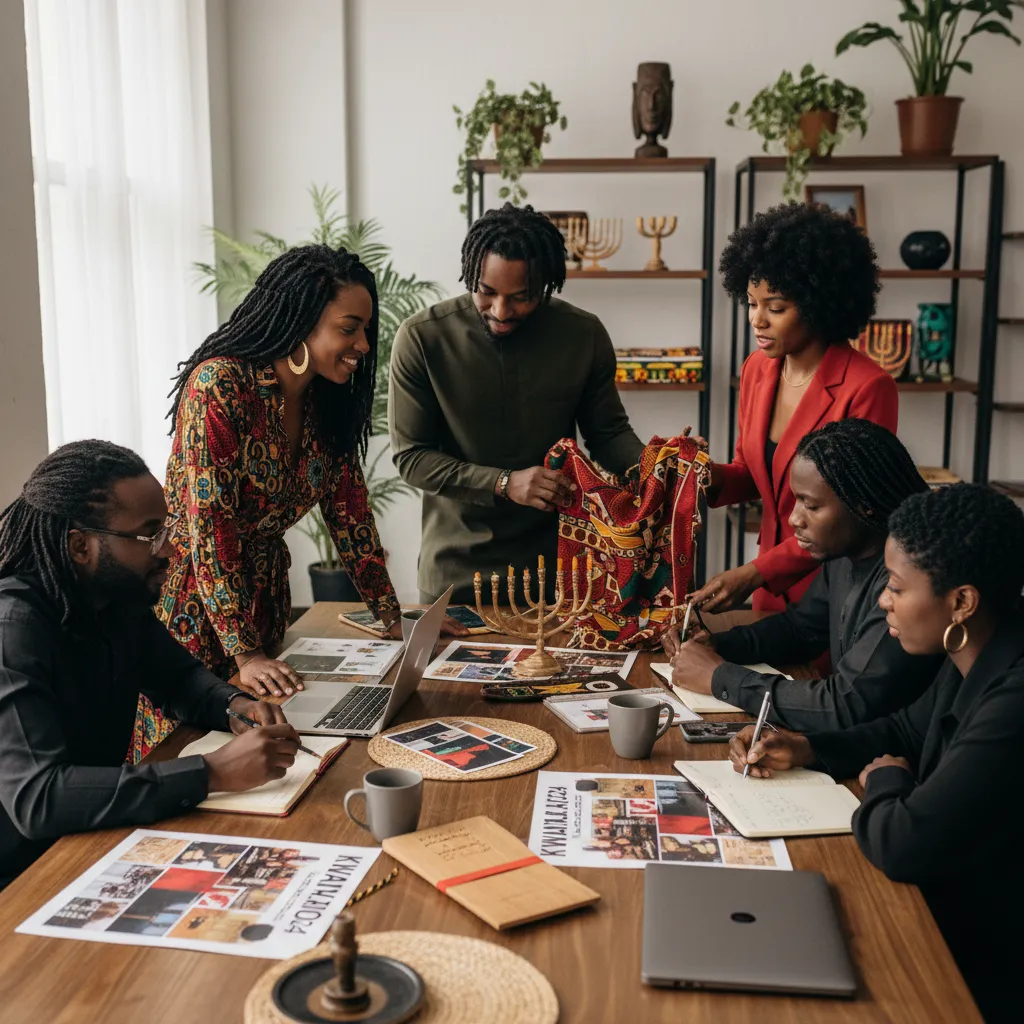
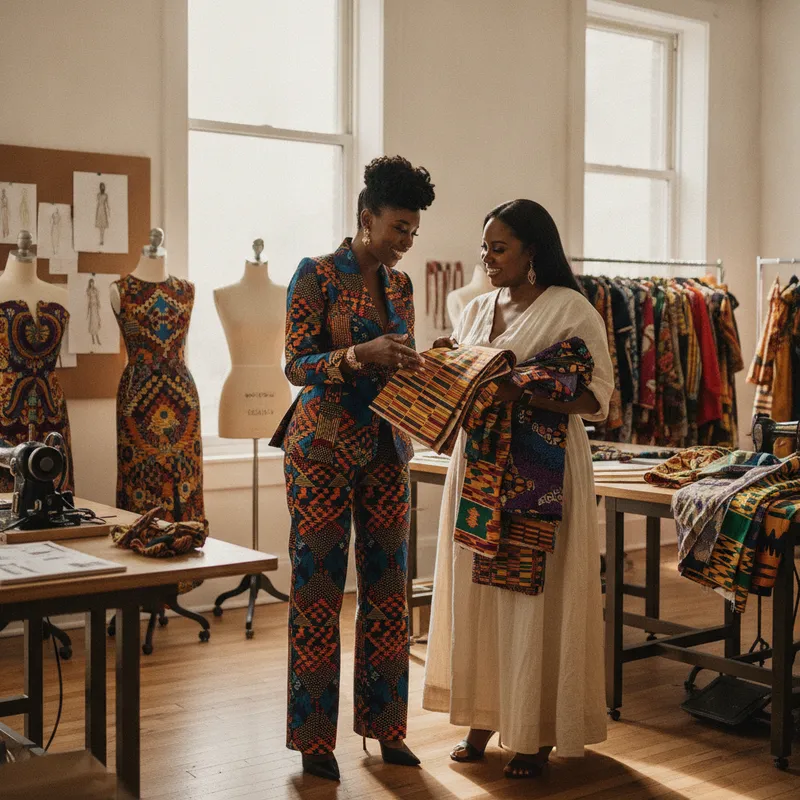
A diverse group of Black event planners and vendors collaborating around a large table.
Bringing It All Together: A Celebration of Heritage and Future
Planning a Kwanzaa celebration for 2026 is an act of love, a testament to resilience, and a powerful affirmation of Black culture. By meticulously integrating the Nguzo Saba into every facet of your event, from the decor and menu to the activities and vendor selections, you're not just hosting a holiday party—you're cultivating a profound cultural experience. Utilize platforms like Ajola to connect with dedicated, culturally aware vendors who can help bring your vision to life. Let your celebration be a beacon of unity, self-determination, and collective joy, inspiring all who attend to carry the principles forward throughout the year.