Corporate event planning guide for New Orleans in 2026
March 16, 2026 8 min read Ajola Team
Key Takeaways
New Orleans offers a unique blend of culture and business potential for corporate events, moving beyond typical tourist traps.
Prioritize engaging local, diverse, and Black-owned vendors to infuse authenticity and support the community.
Successful NOLA event planning demands meticulous attention to logistics, from transportation to permits, especially during peak seasons.
Integrate New Orleans' rich cultural elements—music, food, art—into your event for an unforgettable attendee experience.
Budget realistically for venue, catering, entertainment, and unexpected costs unique to the Crescent City.
Why New Orleans for Your Corporate Event? Beyond the Bourbon Street Stereotype.
New Orleans presents a dynamic backdrop for corporate events, far exceeding its popular, often tourist-centric reputation. This city offers a rich tapestry of history, innovation, and unparalleled hospitality that can transform a standard corporate gathering into an engaging, memorable experience, fostering connections and inspiring creativity among attendees.New Orleans is more than just Mardi Gras and Bourbon Street; it’s a city where business innovation meets a vibrant cultural soul. For corporate event planners, especially those serving African American and Afro-Caribbean communities, NOLA offers a unique opportunity to host events that are both professionally impactful and culturally enriching. Imagine a leadership retreat held in a historic Garden District mansion, or a product launch celebrated with a jazz second line parade through the Marigny. The city's resilience, entrepreneurial spirit, and diverse population make it a fertile ground for networking, team-building, and showcasing your organization's values in an unforgettable setting.The appeal lies in its ability to offer distinct experiences that resonate deeply. From the tech hub blossoming in the Warehouse District to the artistic enclaves of Bywater, New Orleans provides diverse environments suitable for various corporate functions. It’s a city where attendees can easily transition from a high-stakes conference session to an immersive cultural experience, creating a balanced and engaging itinerary that leaves a lasting impression. This cultural depth also allows for meaningful integration of local traditions, which can be particularly significant for events aiming to celebrate diversity and heritage.
Navigating Vendor Selection in the Crescent City: Finding Your Tribe.
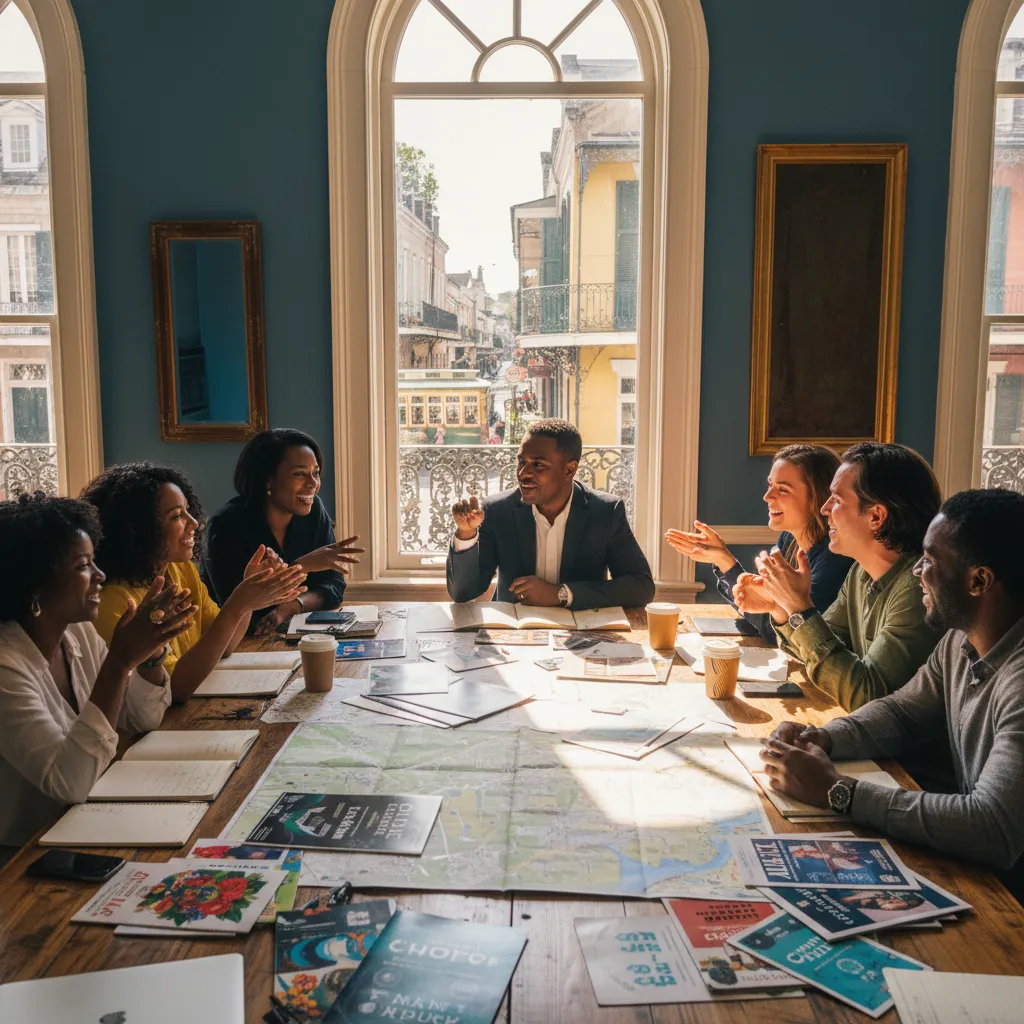
Finding the right vendors in New Orleans means tapping into a rich network of local talent, with a strong emphasis on diverse and Black-owned businesses that truly understand the city's pulse. This approach not only ensures an authentic New Orleans experience but also supports the local economy and reflects a commitment to diversity and inclusion.The success of any corporate event hinges on the quality and reliability of its vendor team. In New Orleans, this means looking beyond national chains and actively seeking out the local gems. Whether you need a caterer specializing in authentic Creole cuisine, a brass band to kick off your opening reception, or a skilled photographer to capture every moment, the city boasts an incredible array of talent. When you browse vendors on Ajola, you can easily filter for local businesses, ensuring your selections align with both your event needs and your values. For example, if you're planning a gala, you might seek out caterers near you on Ajola who are renowned for their seafood boils or classic gumbo, rather than generic banquet food.Consider the impact of partnering with businesses that are deeply embedded in the community. A local florist will know which seasonal blooms thrive in the humid climate, and a Black-owned AV company will bring a unique understanding of event flow and aesthetics. Don't shy away from asking for recommendations from other planners or venue managers. This grassroots networking is often the most effective way to uncover exceptional service providers. For entertainment, think beyond typical bands; consider a step show entertainment group or a renowned local jazz ensemble to add an authentic NOLA flair. Vendors looking to connect with these discerning planners should consider signing up on Ajola to showcase their services.A diverse group of event planners, including African American and Afro-Caribbean individuals, are enthusiastically discussing vendor options around a large table, with maps of New Orleans and various vendor brochures spread out. Sunlight streams through a large window overlooking a historic NOLA street.
Mastering Logistics: Permits, Transport, and the NOLA Vibe.
Successfully executing a corporate event in New Orleans requires a keen understanding of the city's unique logistical landscape, particularly concerning permits, transportation, and navigating its vibrant, often spontaneous, urban environment. Planning for these specific nuances well in advance is crucial to avoid unforeseen challenges and ensure a seamless experience for attendees.New Orleans is a city with a distinct rhythm, and this extends to its operational logistics. Street closures for festivals, parades, or even unexpected second lines can impact transportation and accessibility. Begin by thoroughly researching permit requirements for your specific event type, especially if it involves outdoor elements, amplified sound, or street activities. The City of New Orleans Department of Safety and Permits is your primary resource. Allow ample time for permit applications—sometimes 60-90 days, particularly for larger events.Transportation for attendees also needs careful consideration. While the French Quarter is walkable, many popular venues and hotels are spread across different districts. Consider shuttle services, ride-share coordination, or even chartering historic streetcars for unique transport experiences. Parking, particularly downtown and in the French Quarter, can be scarce and expensive. Communicate these details clearly to your attendees beforehand. For major events, be aware of peak seasons like Mardi Gras (typically February-March) or Jazz Fest (late April-early May), when hotel rates skyrocket, and city resources are stretched thin. Planning around these periods, or embracing them by integrating their energy, is a strategic decision.
Crafting an Unforgettable Experience: Incorporating Local Flavor.
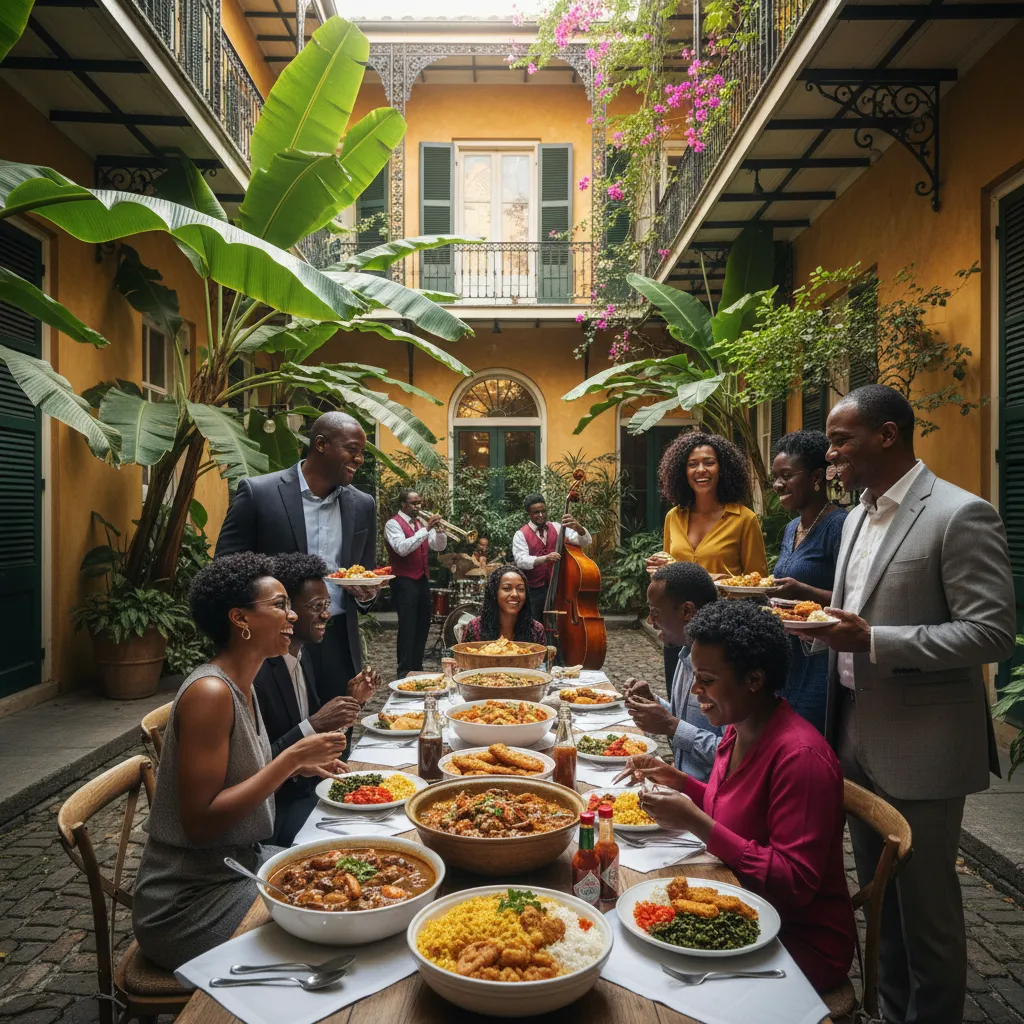
To truly make a corporate event in New Orleans memorable, integrate the city's unparalleled culture into every aspect, transforming standard programming into an immersive and genuinely engaging experience. This means weaving in local music, cuisine, art, and traditions in ways that feel authentic and respectful, rather than merely superficial.An event in New Orleans isn't just about the agenda; it's about the atmosphere. Start with the culinary experience. Beyond basic catering, explore options that highlight Creole, Cajun, and Southern culinary traditions. Partner with local chefs for cooking demonstrations or create a "Taste of NOLA" station featuring dishes like gumbo, jambalaya, étouffée, and beignets. For a truly deep dive, you might even link to a blog post like "Best Black-owned caterers in Chicago for 2026" as a parallel example of how to seek out culturally specific catering, even though it's a different city, the principle applies.Entertainment is another prime opportunity. Instead of a generic DJ, consider a live jazz band, a brass band, or a gospel choir. These aren't just background noise; they are the heartbeat of New Orleans. Interactive cultural experiences, such as a private ghost tour of the French Quarter, a visit to a historic plantation (with careful consideration of its history and presentation), or even a hands-on praline-making class, can foster team bonding and provide unique insights into the city's heritage. Think about how a Caribbean Carnival party planning tips article might inspire incorporating vibrant, celebratory elements into your NOLA corporate event, perhaps through colorful decorations or lively music.
"New Orleans doesn't just host events; it becomes part of them. The city's spirit infuses every gathering, making it a powerful backdrop for connection and inspiration." – Local Event Planner
A corporate team enjoys a catered lunch outdoors in a lush New Orleans courtyard, featuring vibrant local dishes like gumbo and jambalaya. Sunlight filters through tropical plants, and a small jazz ensemble plays softly in the background.
Budgeting for Success: Realistic Costs for a New Orleans Corporate Event.
Developing a realistic budget for a New Orleans corporate event requires accounting for unique local factors, including varying venue costs, specialized catering, and entertainment, along with potential seasonal price fluctuations. Expect per-person costs to range anywhere from $150 for a modest half-day meeting to upwards of $500+ for a lavish multi-day conference, depending heavily on venue, food, and entertainment choices.Venue costs are often the largest line item. Historic venues like the Audubon Tea Room or a French Quarter courtyard can range from $3,000 to $15,000+ for a full day rental, while modern convention spaces might have different pricing models, often based on square footage and technical requirements. Smaller, more intimate spaces, perhaps in the Garden District, could be less, around $1,000-$5,000. Always inquire about what's included (AV, tables, chairs, basic linens) to avoid hidden costs. For affordable venues for baby showers in New Orleans, you might find some crossover for smaller corporate meetings, but pricing will differ significantly for corporate scale.Catering, as mentioned, is a significant part of the NOLA experience. Expect per-plate costs for a quality corporate meal to be $75-$150+, not including drinks. Beverage packages can add another $30-$70 per person. Entertainment, particularly live music, can range from $500 for a solo musician for a few hours to $5,000-$15,000+ for a full brass band or renowned jazz ensemble. Don't forget AV equipment, which can easily add 10-20% to your venue cost, and staffing fees, which often include setup, breakdown, and service charges. Always factor in a 10-15% contingency for unexpected expenses.Remember, the goal isn't just to spend money but to invest in an experience that aligns with your corporate objectives and leaves a lasting positive impression. By understanding these specific cost drivers, you can negotiate more effectively and allocate resources strategically to maximize your return on investment in the Crescent City.An African American event planner reviews a detailed budget spreadsheet on a laptop, surrounded by mood boards and decor samples for a corporate event, in a bright, modern office space overlooking the Mississippi River in New Orleans.