Underestimate costs at your peril: Always build in a 10-15% contingency fund and scrutinize all vendor quotes for hidden fees.
Vet vendors meticulously: Beyond price, prioritize experience, cultural understanding, and clear communication. Check references and review portfolios.
Master your timeline: Create a detailed plan, working backward from your event date, allowing ample time for every task, especially those with external dependencies.
Prepare for the unexpected: Develop robust contingency plans for common issues like weather, vendor no-shows, or technical glitches.
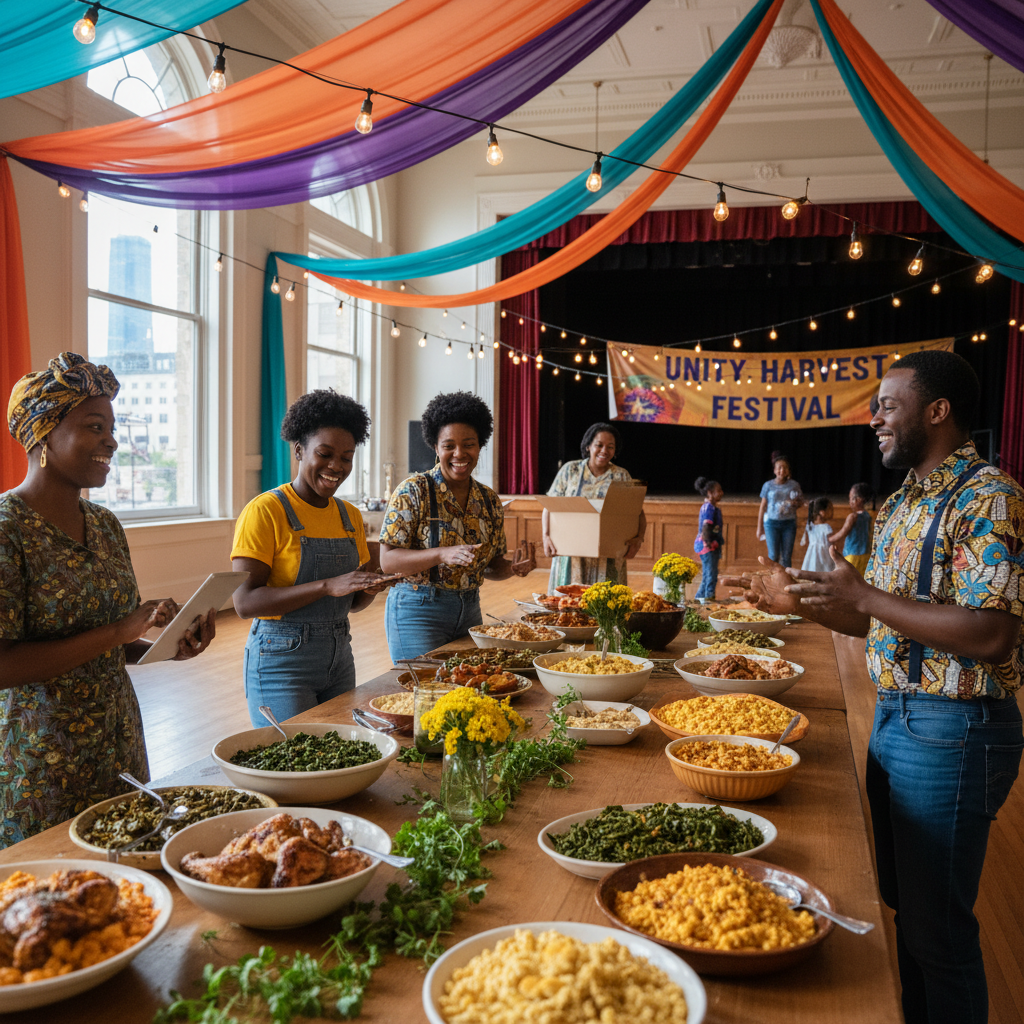
Center the guest experience: Design your event with your audience's cultural preferences and comfort in mind to create an authentic and memorable celebration.
First-time event planners often dive in with passion, but passion alone won't prevent the common pitfalls that can derail an otherwise brilliant vision. From intimate family gatherings to large-scale community fundraisers, the journey from concept to execution is fraught with potential missteps. Understanding these common errors is the first step toward a flawlessly executed event that truly resonates with your African American or Afro-Caribbean audience.
Budget Blind Spots: The Cost of Underestimation
First-time event planners frequently underestimate the true costs associated with an event, leading to significant financial strain and compromised quality. This often stems from neglecting hidden fees, overestimating DIY savings, and failing to account for unexpected expenses that inevitably arise during the planning process. Many new planners look at initial quotes and assume that's the final bill, only to be blindsided by charges for service, delivery, setup, breakdown, and even corkage fees.
A common rookie error is failing to allocate a sufficient contingency fund. Industry veterans will tell you to always budget an additional 10-15% of your total projected cost for unforeseen circumstances. This buffer is not a luxury; it's a necessity. Think about a sudden need for more ice, an unexpected permit fee, or a last-minute decor adjustment. Without this fund, you're left scrambling, potentially dipping into personal funds or cutting corners that impact the guest experience. For instance, catering costs can range widely, from $50 per person for a simple buffet to $150+ for a seated, multi-course meal, and those figures often don't include linens, service staff, or gratuity. Don't just get a quote; get a line-item breakdown.
Furthermore, many planners, especially those from our communities who value resourcefulness, might overcommit to DIY projects. While admirable, creating centerpieces for 200 guests or baking a multi-tiered cake often takes more time, skill, and hidden material costs than anticipated. Factor in your time and the potential for professional quality versus a rushed, amateur finish. Sometimes, investing in a professional is more cost-effective in the long run, both financially and in terms of your peace of mind.
A diverse group of young Black professionals, dressed in stylish business casual attire, huddle around a large table covered with event planning documents, laptops, and coffee cups, looking slightly stressed but determined in a modern co-working space, late afternoon light.
When considering venues, remember that the base rental fee is just the beginning. Ask about insurance requirements, cleaning fees, security deposits, and any restrictions on outside vendors. For example, understanding how to negotiate venue pricing can save you thousands, but it requires knowing what questions to ask upfront. A transparent budget spreadsheet, meticulously updated, will be your most valuable tool.
Vendor Vetting: More Than Just a Price Tag
A critical mistake for new planners is not thoroughly vetting vendors beyond their initial quote, which can result in unreliable service, mismatched aesthetics, or even last-minute cancellations. It's essential to prioritize experience, cultural understanding, and clear communication when selecting partners for your event. While a low price might be tempting, an inexperienced or culturally insensitive vendor can quickly turn your dream event into a nightmare.
When you discover experienced vendors on Ajola, don't just look at their rates. Dive into their portfolios, read client testimonials, and most importantly, schedule a consultation. Ask specific questions about their experience with events similar to yours, especially those celebrating African American or Afro-Caribbean traditions. Do they understand the significance of a sorority probate, a traditional Nigerian engagement, or a Kwanzaa celebration? A DJ who primarily spins country music might not be the right fit for a reggae-infused birthday bash, no matter how good their rates are. You can browse top DJs on Ajola who specialize in various genres and cultural events.
Always request references and actually call them. Ask past clients about the vendor's punctuality, problem-solving skills, and overall professionalism. A vendor's ability to communicate clearly and consistently before, during, and after the event is paramount. Are they responsive to emails and calls? Do they provide detailed contracts and invoices? These small details speak volumes about their reliability. For instance, when finding caterers near you on Ajola, inquire about their menu flexibility, dietary accommodations, and their approach to serving large groups efficiently. A good caterer will be transparent about their processes and eager to provide a tasting.
The Timeline Trap: Overlooking Critical Milestones
Many first-time event planners fall into the trap of inadequate timeline management, failing to allocate sufficient time for crucial tasks like permit acquisition, custom décor creation, or RSVPs, leading to rushed decisions and increased stress. A detailed, realistic timeline is the backbone of a successful event, ensuring every element is addressed proactively. Without a clear roadmap, you risk missing deadlines, incurring late fees, and compromising the quality of your event.
Start by identifying your event date and then work backward. For larger events like weddings or major fundraisers, a 6-12 month planning window is often necessary. For smaller, more intimate gatherings, 3-6 months might suffice. Break down your planning into phases: concept development, budgeting, venue selection, vendor booking, invitations, logistics, and day-of coordination. Assign realistic deadlines to each task and build in buffer time, especially for tasks involving external parties like printers, florists, or city permitting offices.
A common oversight is underestimating the time it takes for custom elements. If you're envisioning bespoke invitations with intricate designs or a custom backdrop for a photo booth, those take weeks, sometimes months, to produce. Similarly, collecting RSVPs can be a slow process; factor in follow-ups. Neglecting these lead times can mean settling for generic options or paying rush fees that blow your budget. Consider the nuances of lighting design for indoor events; it's not just about hanging a few lights, but requires careful planning and coordination with your venue and a specialized vendor.
Beyond the Blueprint: Mastering Contingency and Crisis
Neglecting to develop a robust contingency plan is a common oversight that leaves new planners vulnerable to unforeseen challenges, from inclement weather to vendor no-shows. Proactive problem-solving and having backup solutions in place are non-negotiable for a smooth event execution. Every event, no matter how meticulously planned, will encounter a hiccup or two. The difference between a minor blip and a full-blown disaster often lies in how prepared you are to respond.
Think through potential worst-case scenarios and develop a plan B (and C!). What if your outdoor venue faces a sudden downpour? Do you have an indoor alternative or sufficient tenting? What if your DJ gets sick the day before? Do you have a backup contact or a referral from your primary vendor? This is where your thorough vendor vetting pays off; reliable vendors often have their own contingency plans or networks. Always ensure your contracts specify what happens in case of a vendor emergency or force majeure.