Day-of coordination is essential for *any* event, ensuring hosts can fully enjoy their celebration without logistical burdens.
A day-of coordinator acts as the on-site director, managing vendors, timelines, and unexpected issues with precision.
Selecting a coordinator with cultural competence is crucial for African American and Afro-Caribbean events to ensure authentic execution.
Services typically range from $1,000 to $3,000, a valuable investment for peace of mind and flawless execution.
Let's be real: planning an event, whether it's an intimate family reunion, a vibrant Kwanzaa celebration, or a grand wedding, is a marathon. You've poured your heart, soul, and often significant resources into every detail. But what happens when the big day arrives? Who ensures the caterer arrives on time, the DJ plays the right tracks, and the decor is set just as you envisioned? That's where day-of event coordination becomes not just a luxury, but a necessity.
Why Day-Of Coordination Isn't Just for "Big" Events
Day-of coordination is crucial for *any* event, large or small, because it allows hosts to fully experience their celebration without logistical stress. It's about executing your vision flawlessly, ensuring you can be present, celebrate, and create memories with your loved ones.
Many people mistakenly believe day-of coordination is only for elaborate weddings or corporate galas. From our vantage point in the event industry, we know this couldn't be further from the truth. Even a seemingly simple family gathering or an anniversary party can quickly spiral into chaos if there isn't a dedicated person overseeing the moving parts. For African American and Afro-Caribbean events, which often carry deep cultural significance and specific rituals, having a coordinator who understands the flow – from blessing ceremonies to traditional dances – is invaluable. This frees you, the host, from answering vendor calls or directing guests, allowing you to truly be a guest at your own meticulously planned affair.
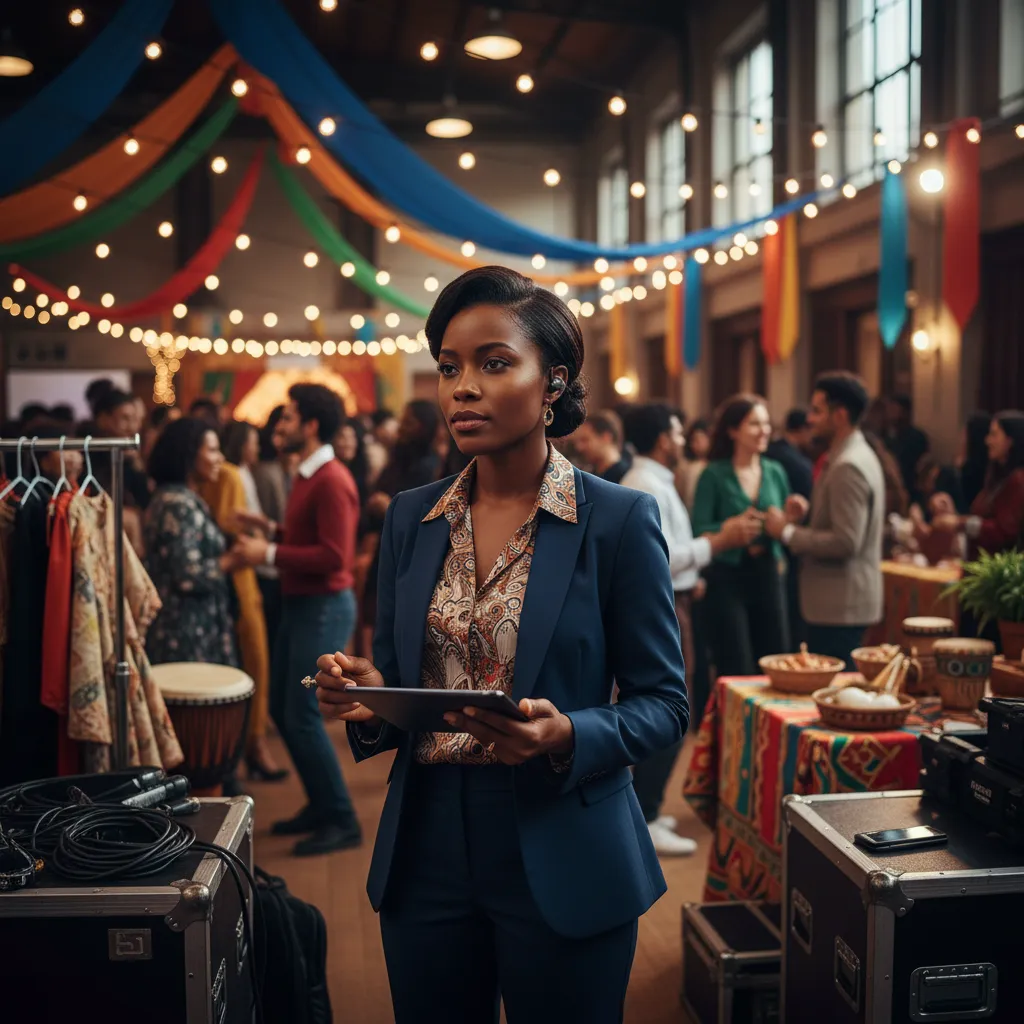
An African American event planner, dressed professionally.
Think about it: after months of planning, do you want to be the one troubleshooting a missing centerpiece or directing parking attendants? Absolutely not. A day-of coordinator steps in to manage all the details you've already planned, acting as your proxy and the central point of contact for all vendors and staff. This allows you to savor every moment, from the first guest's arrival to the last dance.
The Core Responsibilities of a Day-Of Coordinator
A day-of coordinator is the on-site maestro, ensuring every element of your event unfolds according to plan, managing vendors, timelines, and unexpected challenges with precision and grace. They are the silent heroes working tirelessly behind the scenes so your vision can shine.
Pre-Event Logistics & Vendor Confirmations
While the name suggests "day-of," a good coordinator begins their work well before the actual event. Typically, they engage with you 4-6 weeks out. Their initial tasks include reviewing all your vendor contracts, understanding your vision, and creating a detailed master timeline. They'll confirm arrival times, setup requirements, and specific instructions with every vendor, from the caterer you found on Ajola to the DJ you booked. This crucial step ensures everyone is on the same page and minimizes last-minute surprises.
"Having a day-of coordinator meant I could actually sit down and enjoy the Kwanzaa feast I'd spent months planning. She handled everything, from the candle lighting to coordinating the cultural performances." - Aisha T., Washington D.C.
Timeline Management & Flow
On the event day itself, the coordinator is the keeper of the clock. They ensure every activity, from the grand entrance to the toasts, the meal service, and the send-off, happens exactly when it's supposed to. They'll gently cue speakers, guide guests between different areas, and make sure the flow feels seamless and natural. For events with specific cultural elements, like a traditional libation ceremony or a family dance, their understanding of the sequence and significance is paramount. They'll work closely with your entertainment and key family members to ensure these moments are honored beautifully.
For example, in a traditional Nigerian wedding, the coordinator would ensure the entrance of the bridal party, the blessing by elders, and the money spray are all timed perfectly, allowing the photographer you found on Ajola to capture every precious moment without interruption.
Crisis Management & Problem Solving
No matter how meticulously you plan, unforeseen issues can arise. A day-of coordinator is your first line of defense against these potential snags. Did the florist deliver the wrong color linens? Is the microphone acting up? Did an important guest get lost on the way to the venue? Your coordinator handles it all discreetly and efficiently, often resolving problems before you even realize there was one. Their experience in navigating these challenges is invaluable, saving you stress and protecting your investment.
Selecting the Right Day-Of Coordinator for Your Cultural Event
Choosing a coordinator who understands and respects the specific cultural nuances of your African American or Afro-Caribbean celebration is paramount for authentic execution. It's not just about logistics; it's about cultural sensitivity and appreciation.
When interviewing potential coordinators, ask about their experience with events similar to yours. Do they understand the significance of specific cultural attire, music, or food? Do they have a network of culturally competent vendors? For instance, if you're planning a Kwanzaa feast, you'll want someone familiar with the principles and the flow of the celebration. Look for someone who actively listens to your cultural traditions and shows genuine interest in learning about them if they're not already familiar. A great coordinator for a Black event will be attuned to the rhythm and energy that often defines our gatherings, ensuring everything feels authentic and respectful. You can search for coordinators specializing in cultural events on Ajola to start your journey.
What to Expect: Before, During, and After the Event
Engaging a day-of coordinator typically involves an initial consultation, detailed planning meetings leading up to the event, seamless on-site execution, and a post-event wrap-up.
Before the Event (4-6 Weeks Out): This is when your coordinator truly digs in. Expect a detailed meeting to review your existing plans, vendor contracts, and vision. They'll create a comprehensive timeline, manage final vendor confirmations, and act as the primary contact person. This phase is critical for them to absorb all the details you've spent months curating.
During the Event: This is where they shine. From the moment the first vendor arrives for setup until the last item is packed away, your coordinator is on site. They'll oversee vendor arrivals, manage the timeline, troubleshoot any issues, assist guests, and ensure all scheduled activities, including any cultural dance performances, unfold smoothly. They are your event's conductor.
After the Event: Post-event, the coordinator typically oversees the breakdown, ensures all rental items are accounted for, and often handles final payments to vendors if pre-arranged. They'll also ensure any personal items are collected and safely returned to you. Some may offer a brief debrief to discuss how everything went.
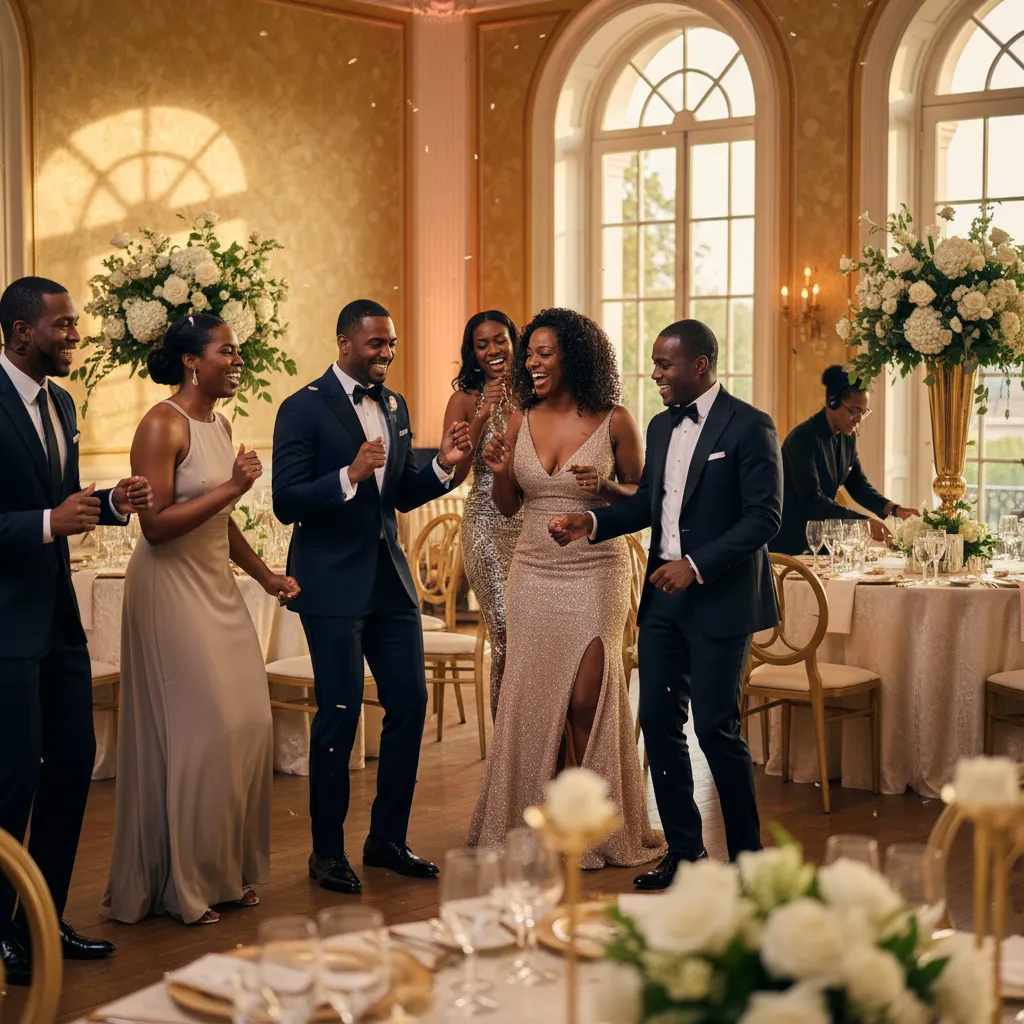
A diverse group of African American guests, dressed in elegant evening wear, are laughing and dancing at a beautifully decorated event space.
Remember, the goal is for you to wake up the morning of your event feeling excited, not stressed. Trusting a professional to handle the logistics allows you to focus on the joy of the occasion. This is particularly important for events that demand significant emotional investment, like a family reunion or a significant milestone celebration.
The Investment: Understanding Day-Of Coordination Costs
Day-of coordination services generally range from $1,000 to $3,000, depending on event complexity, location (major cities like Atlanta, Houston, or New York often see higher rates), and the coordinator's experience, offering significant value for peace of mind.
The price for day-of coordination isn't arbitrary. It reflects the coordinator's expertise, the number of hours they dedicate (often 40+ hours over the weeks leading up to and including the event day), their network, and their ability to handle high-pressure situations. Factors that can influence the cost include:
Event Size and Complexity: More guests, more vendors, and more intricate timelines will naturally increase the fee.
Location: Coordinators in high-demand urban areas with large Black communities may charge more due to overhead and market rates.
Experience Level: A highly seasoned coordinator with a strong portfolio will command a higher fee than someone newer to the industry.
Inclusions: Some packages might include additional meetings, extra staff, or specific services beyond standard coordination.
When you consider the cost of your entire event – venue, catering, decor (and how to match decor to your cultural theme), entertainment – the investment in day-of coordination is a relatively small percentage that protects your larger investment and ensures your experience is priceless. It's often the smartest line item in your budget.
Empowering Your Day-Of Coordinator for Success
To maximize your day-of coordinator's effectiveness, provide clear communication, share all vendor contracts, and trust their expertise to manage the day's flow. Your collaboration is key to their success.
Think of your coordinator as an extension of yourself. The more information you provide, the better equipped they'll be to execute your vision. This means sharing all vendor contacts, contracts, and any specific instructions or cultural nuances. Be open about your expectations and any anxieties you might have. During the planning phase, trust their recommendations and allow them to take the reins on the day itself. Micromanaging will only hinder their ability to effectively manage your event. If you are a vendor looking to connect with event planners, consider signing up on Ajola to showcase your services.
Ultimately, a day-of coordinator is there to ensure your event unfolds as a celebration, not a chore. Their expertise allows you to fully immerse yourself in the joy, the laughter, and the precious moments you've worked so hard to create. Investing in this crucial service is investing in your peace of mind and the successful, stress-free execution of your beautiful event.