How to accommodate dietary restrictions at cultural events
April 9, 2026 9 min read Admin
Key Takeaways
Start early: Gather dietary information from guests during the RSVP process to ensure ample preparation time.
Collaborate with expert caterers: Partner with professionals experienced in both cultural cuisines and diverse dietary accommodations.
Design inclusive menus: Prioritize dishes that inherently cater to common restrictions like vegetarian, vegan, and gluten-free, without sacrificing flavor or cultural authenticity.
Implement clear communication: Ensure robust labeling, detailed ingredient lists, and well-briefed staff for seamless on-site execution.
Utilize specialized platforms: Leverage resources like Ajola to connect with caterers proficient in culturally sensitive and dietary-aware event planning.
Navigating dietary restrictions at cultural events isn't just about offering an alternative; it's about extending genuine hospitality and ensuring every guest feels valued and included. For African American and Afro-Caribbean celebrations, where food often takes center stage as a symbol of heritage and community, this becomes an even more critical, yet rewarding, challenge. With a rise in allergies, dietary preferences, and health-conscious choices, event planners must move beyond a "one-size-fits-all" approach to catering.
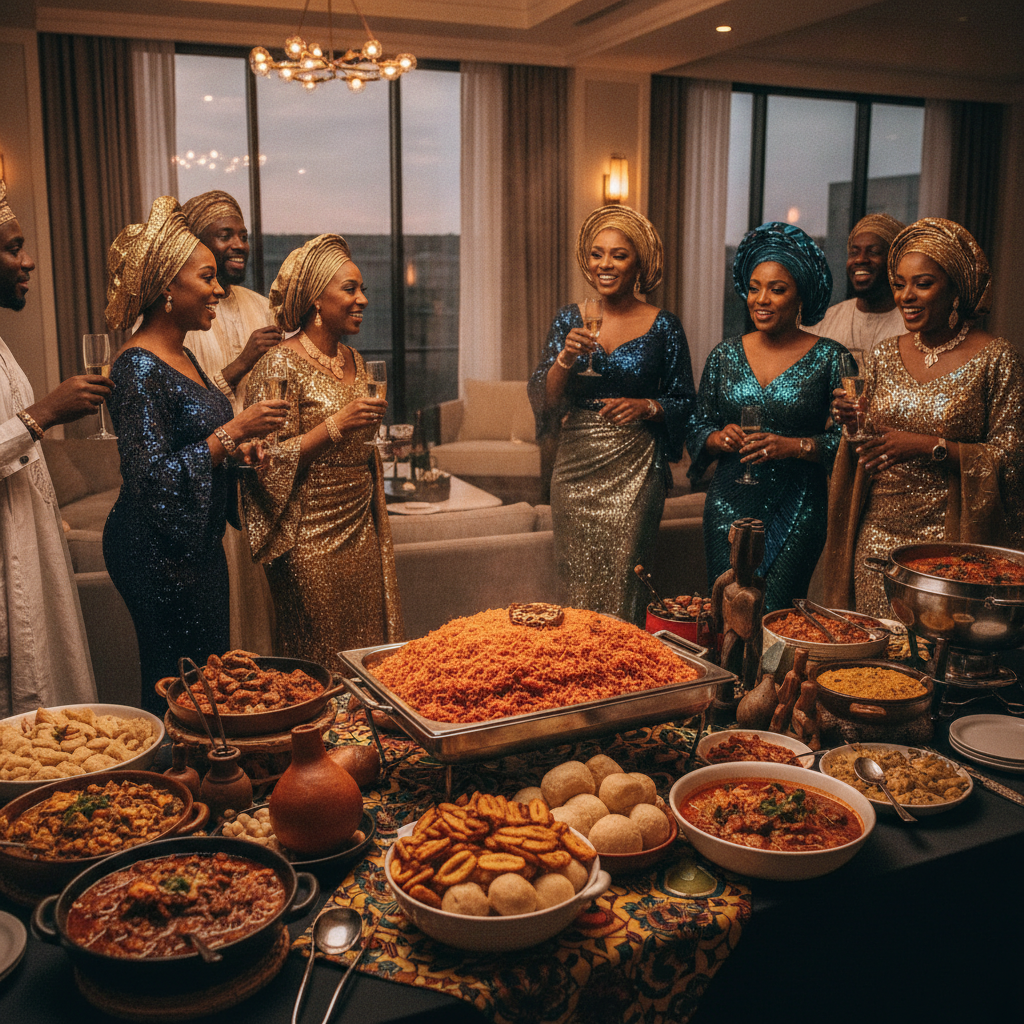
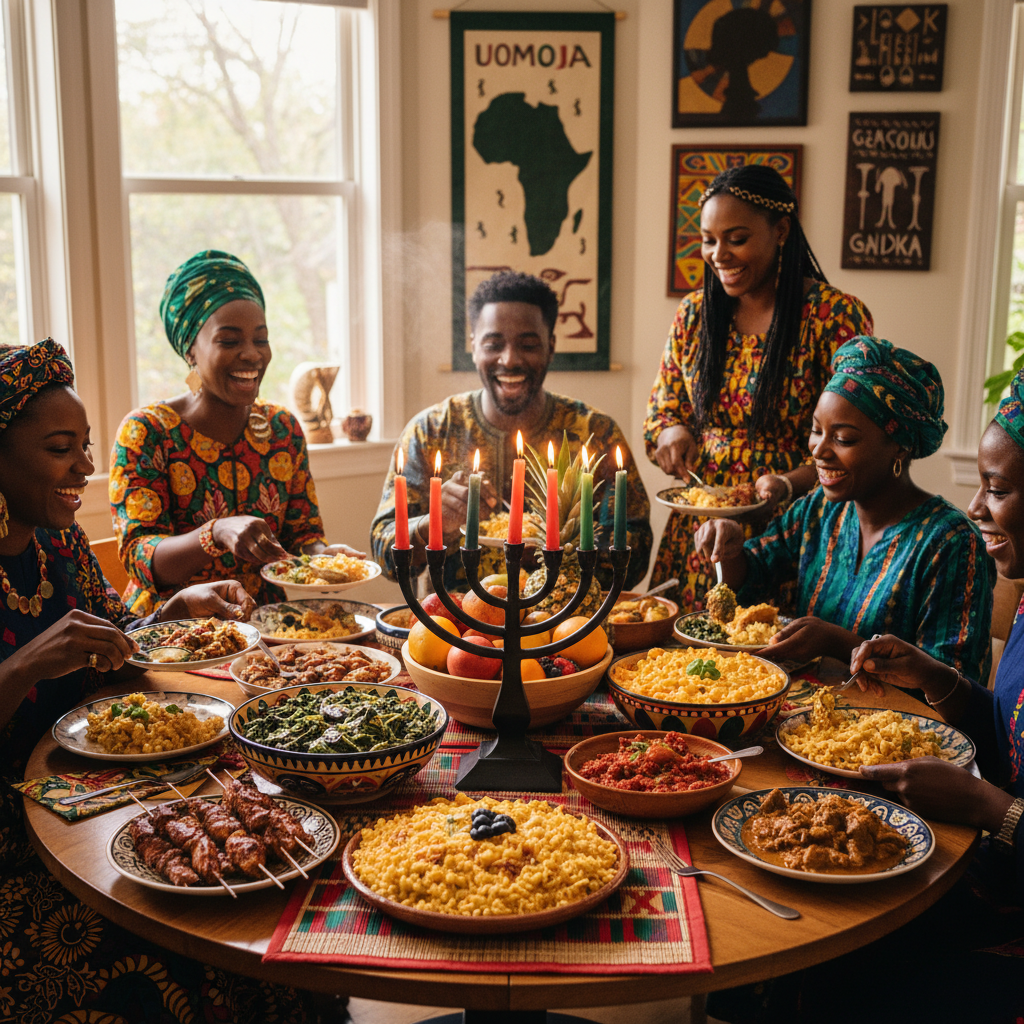
Consider the typical spread at a family reunion, a Kwanzaa celebration, or a Caribbean wedding. While traditional dishes like jollof rice, macaroni and cheese, oxtail, or callaloo are beloved, a significant portion of your guest list might be navigating gluten intolerance, dairy allergies, veganism, or specific religious dietary laws. Failing to plan for these needs can lead to discomfort, exclusion, and a less memorable experience for those guests. The good news is that with forethought and the right partners, you can create a culinary experience that honors tradition while embracing modern dietary diversity.
Understanding the Landscape of Dietary Needs at Cultural Events
Accommodating dietary restrictions at cultural events requires a deep understanding of the common needs your guests might have, ranging from allergies and intolerances to lifestyle choices and religious observances. Beyond the widely known allergies like nuts, shellfish, and dairy, planners often encounter requests for gluten-free, vegan, vegetarian, halal, or kosher options, all of which demand careful consideration and preparation to ensure guest safety and satisfaction.
The demographic of your guest list plays a significant role here. For instance, in many Black communities, lactose intolerance is more prevalent, affecting up to 75% of African Americans. This isn't just a preference; it's a physiological reality that necessitates dairy-free alternatives. Similarly, a growing number of individuals are adopting plant-based diets for health, ethical, or environmental reasons, making vegan and vegetarian options a must-have, not just an afterthought. Religious dietary laws, such as halal for Muslim guests or kosher for Jewish guests, also require specific sourcing and preparation methods that must be respected. Understanding these nuances early on is the bedrock of successful inclusive catering.
Common Dietary Restrictions and Their Implications
Allergies (e.g., Peanuts, Tree Nuts, Shellfish, Dairy, Eggs, Soy, Wheat): These are critical and can be life-threatening. Cross-contamination is a major concern.
Intolerances (e.g., Lactose, Gluten): While not life-threatening, they cause severe discomfort. Separate preparation areas are often recommended.
Lifestyle Choices (e.g., Vegan, Vegetarian, Pescatarian): These guests avoid certain food groups. Offering creative, flavorful alternatives is key.
Religious Observances (e.g., Halal, Kosher): Require specific sourcing, slaughtering methods (for meat), and preparation protocols. Certification is often necessary.
Health-Related (e.g., Low-Sodium, Diabetic-Friendly): Focus on fresh ingredients, healthy cooking methods, and sugar substitutes.
A vibrant outdoor cultural event with diverse African American guests enjoying food from various stations. One station clearly displays labels for vegan, gluten-free, and nut-free dishes, while a Black chef in the background is carefully preparing food. Shot on Canon EOS R5, 35mm lens, natural lighting, editorial photography.
Proactive Planning: Information Gathering is Key
The most effective strategy for accommodating dietary needs begins long before the event day: by proactively gathering detailed information from your guests. Incorporating clear questions about dietary restrictions and allergies into your RSVP process is non-negotiable, allowing your catering team sufficient time to plan, source ingredients, and prepare meals safely.
Don't assume; always ask. On your digital RSVP platform or physical invitation insert, include a dedicated section for guests to list any allergies, intolerances, or dietary preferences. A simple open-ended text box, alongside checkboxes for common categories (e.g., "Vegetarian," "Vegan," "Gluten-Free," "Nut Allergy"), works best. For larger events, consider a follow-up email or call to guests who indicate complex or severe allergies to clarify specifics. This direct communication not only ensures accuracy but also demonstrates a genuine commitment to their well-being. Aim to finalize this information at least 3-4 weeks before the event, providing your caterer with the necessary lead time, especially for ingredients that might require special ordering or custom preparation.
Partnering with the Right Caterer: A Non-Negotiable Step
Selecting a caterer who possesses a deep understanding of both cultural cuisines and diverse dietary accommodations is paramount to the success of your event. An experienced catering partner will not only be proficient in preparing traditional dishes but also skilled at adapting them or creating parallel options that are equally delicious and culturally resonant.
When you're searching for caterers, whether through recommendations or by browsing platforms like Ajola's vendor directory, prioritize those who explicitly mention their experience with dietary restrictions and cultural events. Don't be afraid to ask direct questions during your initial consultations: "How do you handle severe nut allergies?" "Can you prepare a separate, certified halal meal?" "What are your procedures for preventing cross-contamination?" A reputable caterer will have clear protocols, dedicated equipment, and trained staff for managing these requests. They should also be able to offer creative solutions, like modifying a classic stew to be dairy-free or developing a plant-based version of a beloved traditional entrée, ensuring no guest feels like an afterthought. For inspiration on culturally rich menus, check out our recent post on Wedding catering ideas that honor Black culinary traditions, which often includes tips for adaptation.
"The right caterer doesn't just feed your guests; they nourish them, body and soul. For cultural events, this means respecting heritage while embracing individual needs, creating a truly inclusive dining experience." - Chef Ayana Johnson, Renowned Afro-Caribbean Caterer.
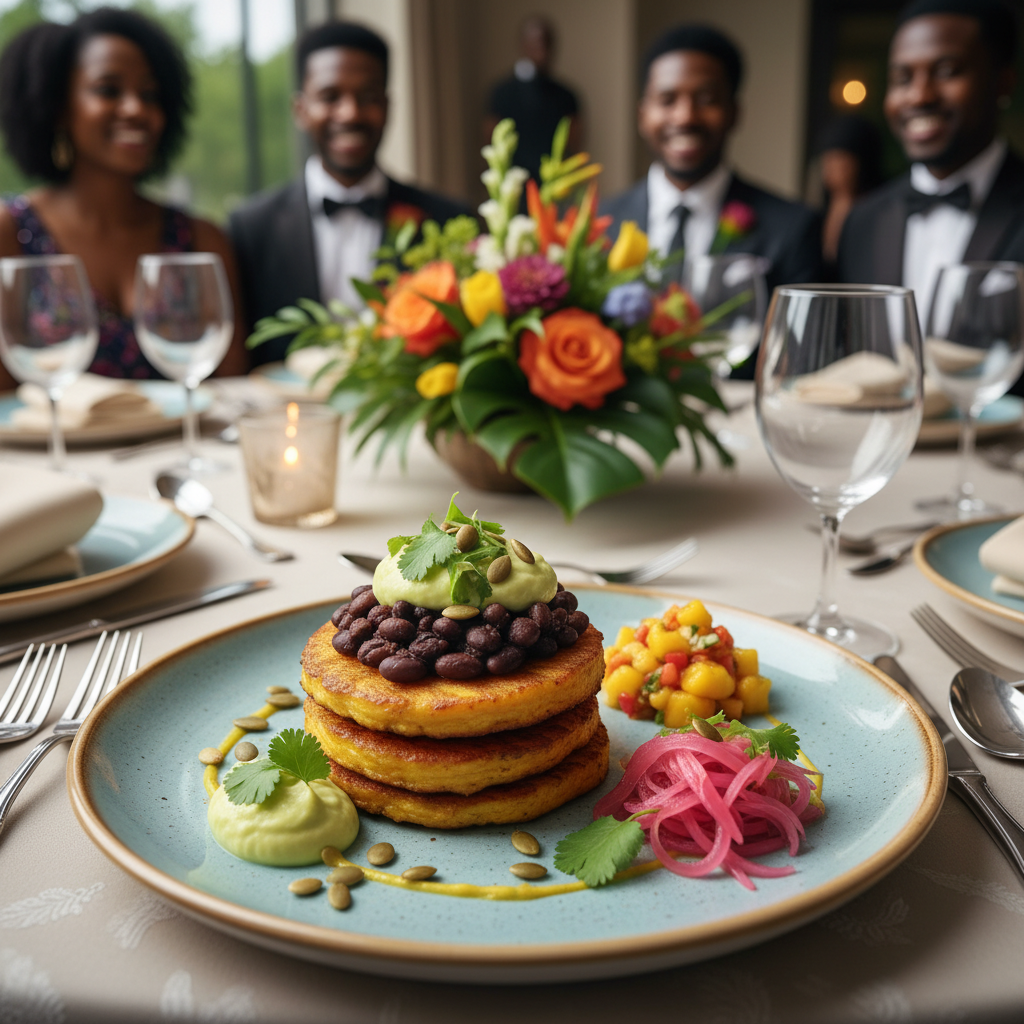
A close-up shot of a beautifully presented plate featuring a vibrant vegan and gluten-free Caribbean-inspired dish, possibly a plantain and black bean creation, at an elegant event. The background is softly blurred, showing other festive table settings and diverse African American guests mingling. Shot on Canon EOS R5, 35mm lens, natural lighting, editorial photography.
Crafting Inclusive Menus: Beyond the Basics
Creating an inclusive menu means designing dishes that are inherently adaptable or providing thoughtful alternatives that don't feel like a compromise. The goal is to ensure that guests with dietary restrictions enjoy meals that are just as flavorful, visually appealing, and culturally significant as the main offerings.
Work closely with your caterer to develop a menu strategy. One excellent approach is to design dishes that are naturally free of common allergens or can be easily modified. For instance, many West African and Caribbean stews can be made vegan by substituting meat with plantains, lentils, or root vegetables, and using vegetable broth instead of meat stock. Similarly, rice dishes can often be prepared gluten-free. Always include at least one robust vegan/vegetarian main dish that stands on its own, not just a side dish. Consider a "build-your-own" station for salads or grain bowls, allowing guests to customize their plates according to their preferences and restrictions. For desserts, ensure there's a delicious dairy-free and gluten-free option available, such as a fruit-based sorbet, coconut panna cotta, or a flourless chocolate cake. Remember, diversity in your menu reflects the diversity of your guests. If you need to find caterers near you on Ajola, filter by specialties like "vegan options" or "allergen-friendly."
Strategies for Menu Inclusivity:
Naturally Free Options: Prioritize dishes that are inherently vegetarian, vegan, or gluten-free.
Adaptable Classics: Work with your caterer to modify traditional recipes (e.g., using coconut milk instead of dairy, gluten-free flours).
Dedicated Alternatives: For severe allergies or complex religious needs, prepare completely separate, clearly labeled meals.
Buffet Labeling: Crucial for buffets. Clearly label every dish with ingredients, allergens (e.g., "Contains Nuts," "Dairy-Free," "Vegan," "Gluten-Free").
Chef's Station: A chef present at a station can answer questions and prepare made-to-order safe options.
A professional African American event planner reviewing a seating chart with a catering manager, highlighting specific guest dietary needs with colored markers. They are in a well-lit event venue kitchen, looking focused and organized. Shot on Canon EOS R5, 35mm lens, natural lighting, editorial photography.
Clear Communication and On-Site Execution
Even the most meticulously planned menu can fall short without flawless communication and execution on the event day. Ensuring that all staff, from servers to kitchen personnel, are fully briefed on guest dietary needs is critical to prevent errors and provide a seamless dining experience.
Before service begins, hold a detailed briefing with your catering team. Provide them with a list of guests and their specific restrictions, clearly indicating where these guests are seated (if applicable) or how their special meals will be identified. For buffet-style events, highly visible and accurate signage for each dish is non-negotiable. Labels should list key ingredients and highlight common allergens and dietary categories (e.g., "Vegan," "Gluten-Free," "Contains Peanuts"). Train your serving staff to confidently answer guest questions about ingredients or direct them to someone who can. For plated meals, use discreet markers (like colored place cards or a specific plate design) to signal special meals to servers, ensuring the correct plate reaches the correct guest. This level of attention to detail not only prevents potential health crises but also conveys deep respect and care to every attendee. Remember, if you're a vendor looking to improve your service offerings, consider signing up on Ajola to connect with event planners who prioritize such details.
Post-Event Review and Continuous Improvement
After the last guest departs, the work of refining your approach to dietary accommodations isn't truly over. A thorough post-event review offers invaluable insights that can enhance future celebrations, making each subsequent event even more inclusive and successful.
Take time to solicit feedback from your guests, especially those with dietary restrictions. A simple follow-up survey or direct conversations can reveal what worked well and what could be improved. Did the labeling suffice? Were the alternative dishes satisfying? Was the staff knowledgeable? Also, debrief with your catering team. Discuss any challenges encountered, such as cross-contamination concerns, ingredient availability, or communication breakdowns. Document these learnings. What specific ingredients proved difficult to source? Which dishes were particularly well-received as alternatives? By continuously analyzing and adapting your strategies, you not only improve your service but also build a reputation as an event planner who genuinely cares about every attendee's experience. This commitment to excellence ensures that cultural celebrations remain vibrant, welcoming, and accessible to everyone.