Charlotte's West African catering scene offers a vibrant array of authentic flavors, perfect for adding cultural depth to any event.
Popular cuisines include Nigerian, Ghanaian, and Senegalese, featuring staples like Jollof Rice, Suya, and Thieboudienne.
Budgeting typically ranges from $30-$70 per person, influenced by menu complexity and service style.
Vetting caterers requires tasting, checking references, and ensuring cultural understanding for a seamless experience.
West African catering is versatile, suitable for weddings, corporate events, and family reunions, with options for buffet, family-style, or plated service.
Charlotte, North Carolina, is a city increasingly recognized for its dynamic cultural tapestry, and nowhere is this more evident than in its burgeoning culinary scene. For event planners and hosts in the African American and Afro-Caribbean communities, incorporating authentic West African cuisine is not just about serving food; it's about celebrating heritage, flavor, and community. Imagine the aroma of perfectly spiced Jollof rice filling your venue, or the vibrant colors of a well-curated buffet reflecting the richness of West African traditions. This isn't just a trend; it's a statement.
Why West African Cuisine is a Must-Have for Your Charlotte Event
West African cuisine offers an unparalleled opportunity to infuse your event with cultural richness and unforgettable flavor, making it a standout experience for guests. It’s more than just sustenance; it’s a journey through history, tradition, and community, resonating deeply with those who share or appreciate the heritage.
From the bustling streets of Lagos to the vibrant markets of Accra, West African food tells a story. When you choose West African catering for your Charlotte event, you’re offering an experience that transcends the ordinary. It’s an opportunity to connect guests with their roots, introduce new palates to exquisite flavors, and create a truly memorable occasion. Think beyond the usual chicken and fish; consider the depth of flavors found in dishes prepared with indigenous spices like grains of paradise, Calabash nutmeg, and scotch bonnet peppers. These aren't just ingredients; they are cultural touchstones.
Navigating the Diverse Flavors: Popular Cuisines and Dishes
Charlotte's West African catering options typically highlight the distinct culinary traditions of Nigeria, Ghana, and Senegal, each bringing its unique staple dishes and flavor profiles to your event. Understanding these differences allows for a more informed and culturally authentic menu selection.
Nigerian cuisine, for instance, is renowned for its bold and spicy flavors. At almost any Nigerian-themed event, you'll find caterers on Ajola serving up iconic dishes like Jollof Rice (a smoky, flavorful tomato-based rice dish), Egusi Soup (a rich soup made with melon seeds and various meats/fish, often served with pounded yam), and succulent Suya (spicy grilled skewers). For Ghanaian events, expect to see staples like Waakye (rice and beans cooked together, often served with shito and salad), Banku and Tilapia (fermented corn and cassava dough with grilled fish), and the ever-popular Kelewele (spicy fried plantains). Senegalese cuisine, often celebrated for its French and North African influences, features dishes like Thieboudienne (fish and rice cooked in a tomato sauce with vegetables) and Yassa Poulet (chicken marinated in lemon and onions, then stewed). Many caterers can also accommodate various spice preferences, from mild to extra hot, ensuring everyone enjoys the feast.
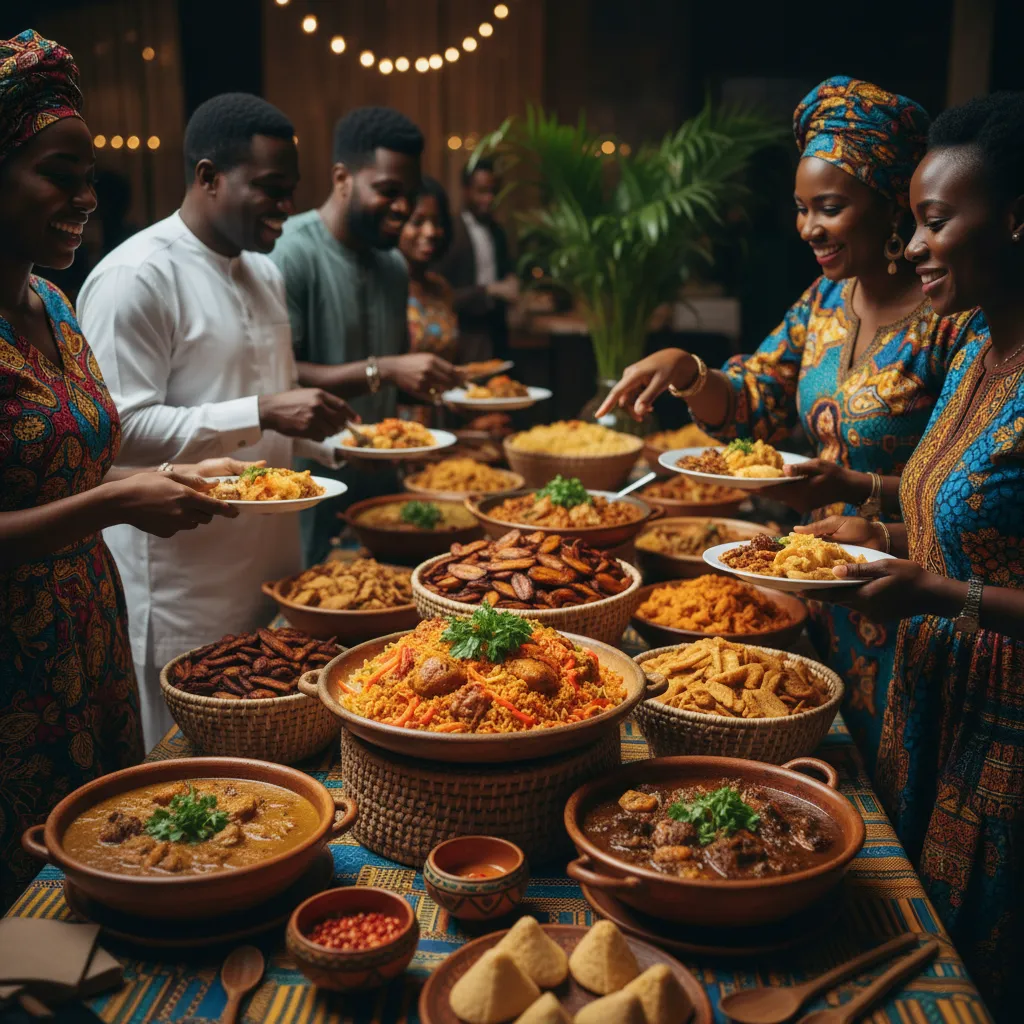
A vibrant buffet spread of West African dishes, including Jollof rice, plantains, and stew, beautifully arranged on a table with traditional fabric accents, ready for guests.
Budgeting for Authentic West African Catering in Charlotte
When planning for authentic West African catering in Charlotte, expect a per-person cost ranging from $30 to $70, depending heavily on menu complexity, guest count, and the level of service required. This range provides a realistic starting point for your event's culinary budget.
Several factors will influence the final cost. A simple buffet-style menu with 3-4 main dishes, a couple of sides, and perhaps a small dessert for 100 guests might average around $35-$45 per person. If you opt for more exotic ingredients, a wider variety of dishes, passed appetizers, or a plated service with multiple courses, costs can easily climb to $55-$70+ per person. Don't forget to factor in additional services like serving staff, chafing dishes, dishware, and delivery fees. Always request a detailed quote that breaks down all costs. It's also wise to set aside a contingency fund, typically 10-15% of your total budget, for unforeseen expenses. For more insights on managing event finances, you might find our article on how to create a wedding budget and actually stick to it particularly helpful.
Finding the Right West African Caterer: Beyond the Search Bar
Finding the right West African caterer means looking beyond basic search results to identify vendors who possess not only culinary skill but also a deep understanding and respect for the cultural nuances of the cuisine. This ensures an authentic and seamless experience for your guests.
Start by tapping into local community networks and recommendations. Word-of-mouth is powerful within Charlotte's Black communities. Once you have a few names, utilize platforms like Ajola to browse caterers on Ajola who specialize in West African cuisine. Look for caterers with strong portfolios showcasing their previous work, especially for events similar to yours. A crucial step is to schedule a tasting. This allows you to sample the food firsthand, assess the quality of ingredients, and discuss menu customization options. Pay attention to how well they understand specific dietary restrictions or preferences common in our community, such as vegetarian options, gluten-free alternatives, or even preferences for certain types of meat or fish. Ask for references from past clients; a reputable caterer will be happy to provide them.
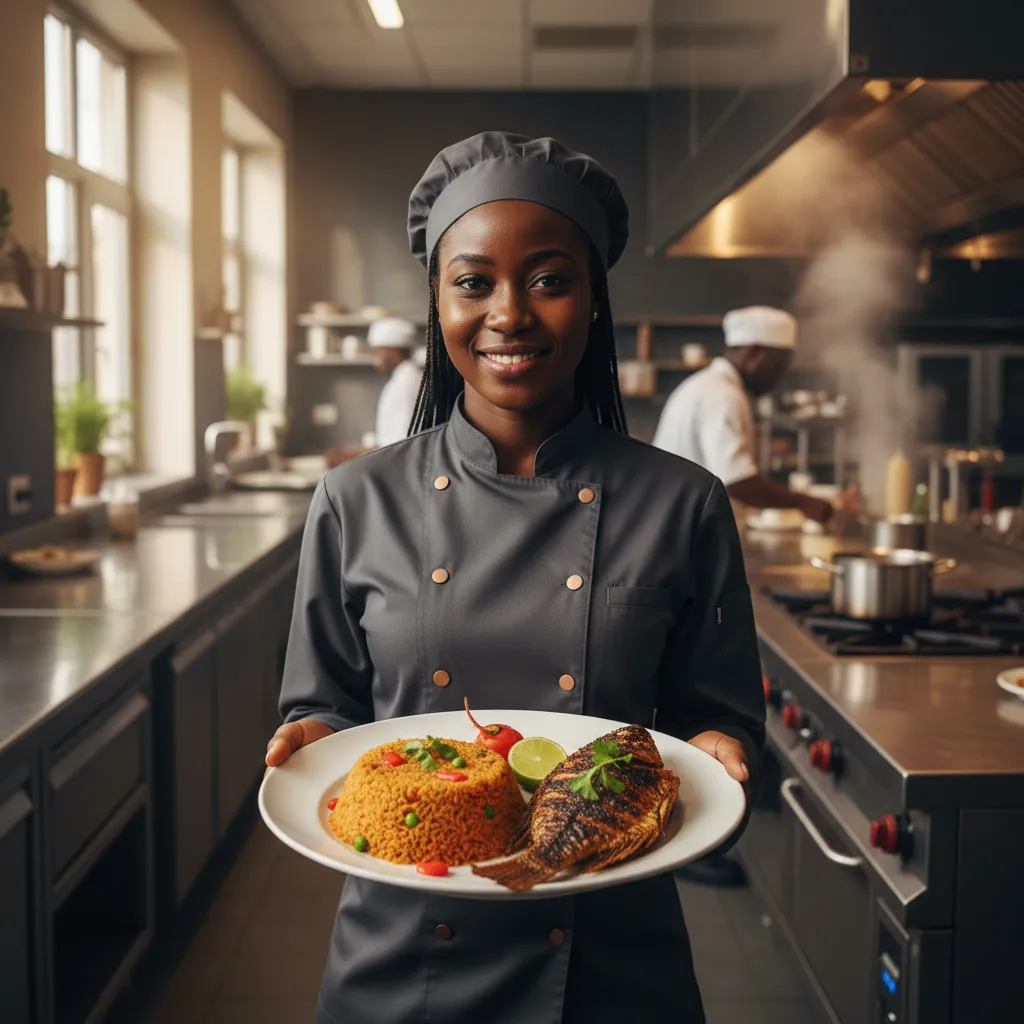
A Black female event planner in a stylish blazer is having a tasting session with a West African caterer, sampling Jollof rice and discussing menu options in a bright kitchen.
Service Styles and Event Types for West African Feasts
West African cuisine is incredibly versatile, making it suitable for a wide range of events in Charlotte, from intimate gatherings to grand celebrations, with options for buffet, family-style, or plated service. This adaptability allows caterers to tailor the experience to your event's specific tone and formality.
For large, festive events like family reunions, milestone birthdays, or cultural festivals, a buffet-style presentation is often preferred. It encourages interaction and allows guests to sample a variety of dishes. Imagine a spread featuring several types of Jollof, various stews, fried plantains, and salads, all beautifully arranged. For more formal occasions, like a wedding reception or a corporate gala, a plated service can elevate the dining experience, offering an elegant presentation of dishes like grilled fish with a rich sauce and a side of perfectly steamed rice. Family-style service, where large platters are brought to each table for guests to share, strikes a wonderful balance between formality and communal warmth, reflecting the inherent sharing culture of many West African meals. Regardless of the style, ensure your caterer has experience with your specific event type to avoid common pitfalls; you might want to review the top mistakes first-time event planners make for more guidance.
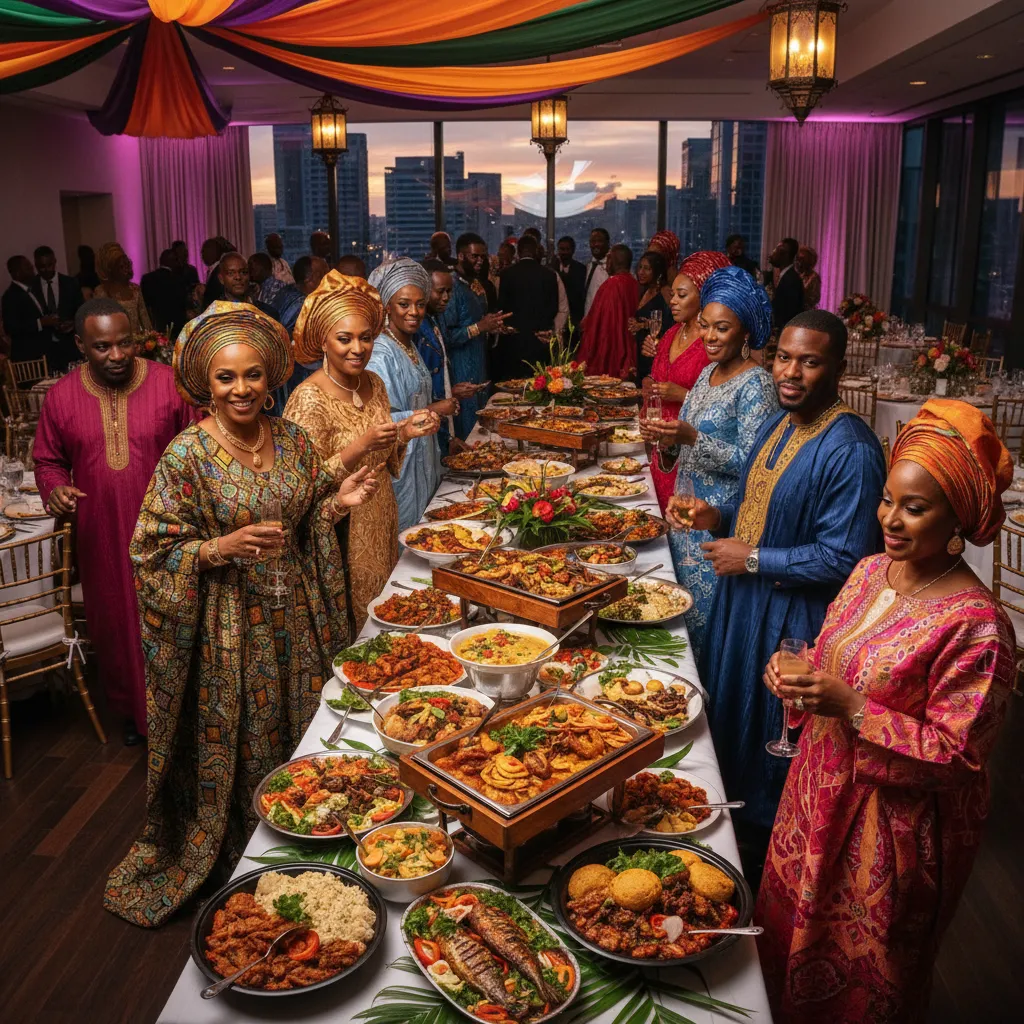
Guests, predominantly African American, elegantly dressed, enjoying a vibrant West African buffet at a formal event, with laughter and conversation filling the air.
Making Your Selection: Key Questions to Ask
When finalizing your West African catering choice, asking a specific set of questions is essential to ensure clarity, prevent misunderstandings, and guarantee a smooth and successful culinary experience for your event. These inquiries cover critical logistical and culinary aspects.
Before signing any contracts, ask:
"Can you accommodate dietary restrictions such as vegetarian, vegan, or gluten-free options, especially for traditional West African dishes?"
This is crucial for inclusivity. Inquire about their experience with events of your size and type, and ask to see a portfolio or references. Always clarify what's included in their pricing:
"Does the quote include serving staff, setup, breakdown, and all necessary equipment like chafing dishes and serving utensils?"
Understand their payment schedule, cancellation policy, and contingency plans for unexpected issues. A reliable caterer will be transparent and proactive in addressing these points. Don't hesitate to discuss specific cultural presentation requirements or traditions you wish to incorporate. Clear communication from the outset sets the stage for a truly authentic and stress-free event. You can find event vendors on Ajola who are prepared to answer these questions thoroughly.
Choosing West African catering for your Charlotte event is more than just a menu decision; it's an embrace of culture, flavor, and community. By carefully considering your options, understanding the nuances of the cuisine, and asking the right questions, you're not just planning a meal—you're crafting an experience that will be remembered long after the last plate is cleared.