Nigerian naming ceremonies blend deep cultural significance with vibrant aesthetics, often centered on themes of identity, blessing, and community.
Popular decor themes include regal elegance, cultural vibrancy, and contemporary chic, with color palettes frequently featuring gold, royal blue, emerald green, and coral.
Essential traditional elements like kola nuts, honey, salt, and water must be reverently incorporated into a dedicated display table, reflecting their symbolic meaning.
Selecting experienced decorators specializing in Afro-Caribbean events, easily found on platforms like Ajola, is crucial for authentic and stunning execution.
Budgeting for decor typically ranges from $2,000 for intimate gatherings to $10,000+ for grander affairs, with fabric choices significantly impacting costs.
A Nigerian naming ceremony is far more than just an event; it's a profound cultural milestone, a vibrant celebration of new life, identity, and community. The decor for such an occasion isn't merely aesthetic; it's an extension of the family's heritage, aspirations, and deep-rooted traditions. Getting it right means blending reverence with joyous celebration, creating an atmosphere that resonates with both cultural authenticity and personal style.
Understanding the Cultural Canvas: Core Decor Principles for Nigerian Naming Ceremonies
Decorating for a Nigerian naming ceremony demands an understanding of its spiritual and communal significance. The decor should reflect themes of blessing, prosperity, health, and the rich cultural heritage of the child's family, often drawing inspiration from specific ethnic groups like Yoruba, Igbo, or Hausa. This means incorporating elements that symbolize new beginnings, ancestral wisdom, and the hope for a bountiful future.
Central to many Nigerian naming ceremonies is the concept of presentation and welcome. The decor sets the stage for the child's formal introduction to family, friends, and the wider community. Think beyond just pretty flowers; consider how each element contributes to an atmosphere of warmth, respect, and celebratory joy. Often, the chosen color palette, significant cultural items, and even seating arrangements are carefully selected to honor these core principles, ensuring the event feels both grand and intimately personal. For those new to these traditions, our guide to Nigerian wedding traditions explained offers further insight into cultural practices that often influence naming ceremonies too.
Color Palettes & Fabrics: Weaving Tradition into Modernity
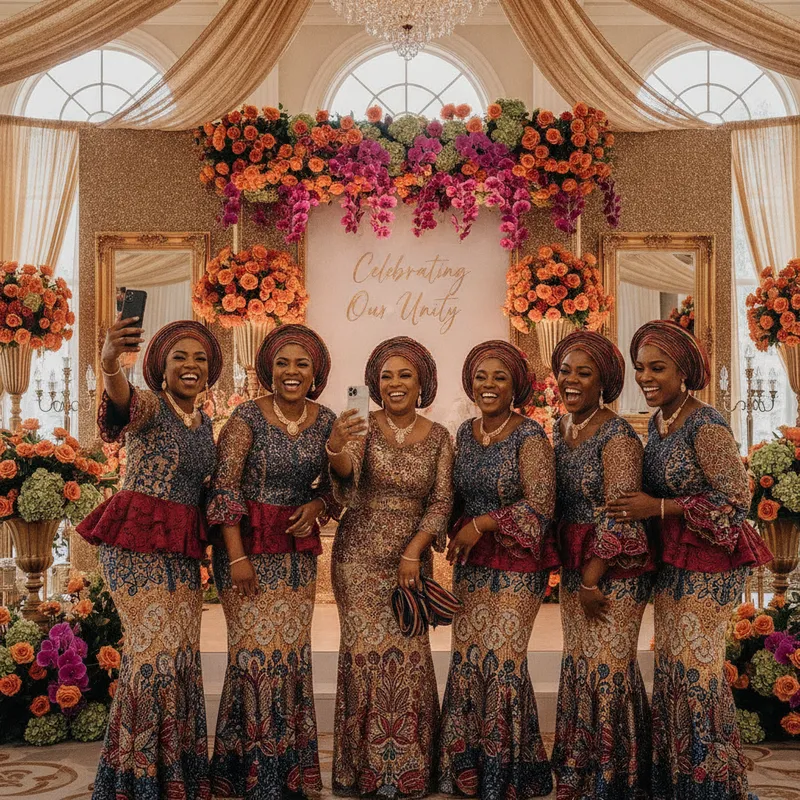
Color is the heartbeat of Nigerian celebrations, and naming ceremonies are no exception. The palettes are typically rich, bold, and meaningful, often combining traditional hues with contemporary trends. Gold, royal blue, emerald green, coral, and deep burgundy are perennial favorites, frequently paired with crisp white or ivory to create a sense of elegance and purity.
When it comes to fabrics, luxury and cultural significance take center stage. Rich textiles like Aso-Oke, damask, lace, and embellished Ankara prints are frequently used for backdrops, table runners, chair sashes, and even custom ceremonial outfits. These fabrics add texture, depth, and a distinctly African flair. For instance, a royal blue and gold theme might feature a sequined lace overlay on tables, gold charger plates, and lush blue velvet drapes. Don't shy away from incorporating patterns that reflect traditional motifs, whether subtle or prominent. A skilled decorator can help you select fabrics that elevate the space and align with your vision. If you're looking for someone to bring these visions to life, you can find decorators near you on Ajola who specialize in cultural events.
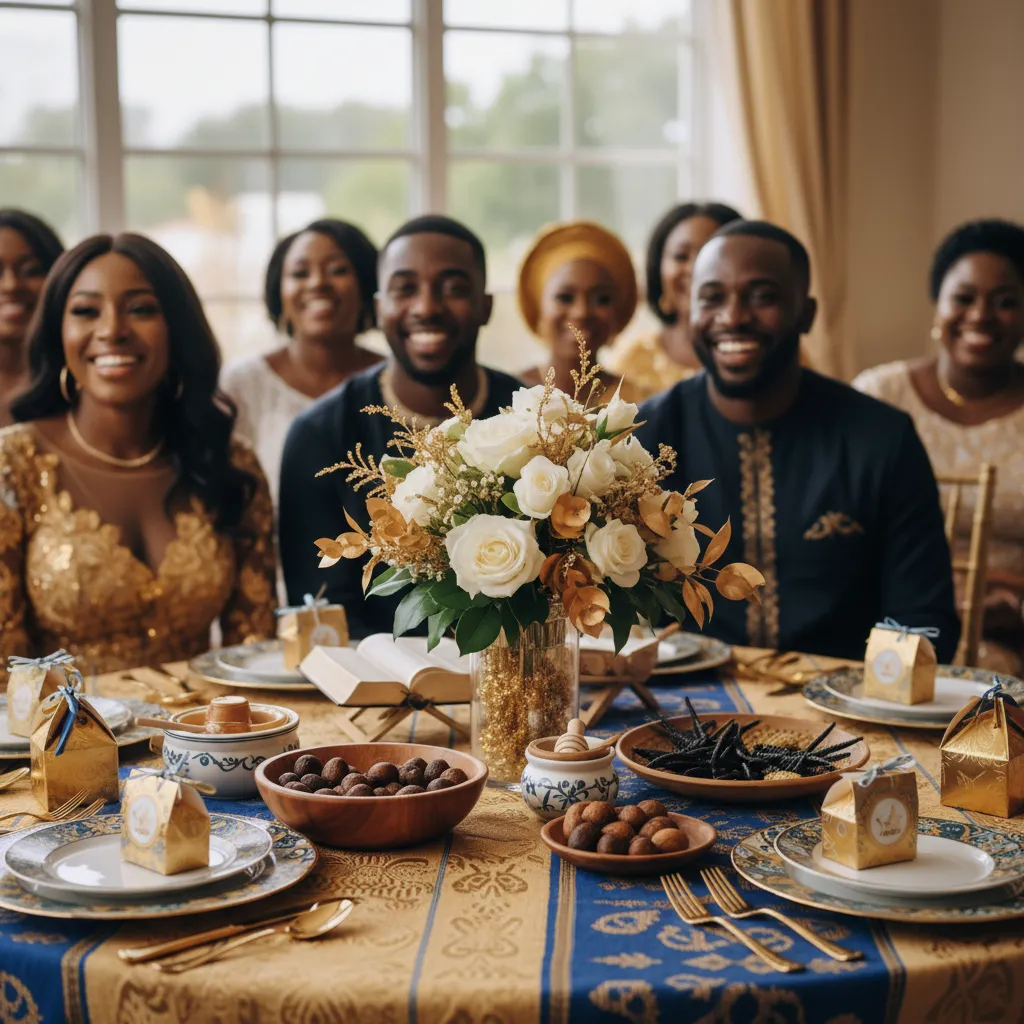
A beautifully decorated table at a Nigerian naming ceremony, featuring a vibrant gold and royal blue Aso-Oke tablecloth.
Essential Traditional Elements & Their Placement
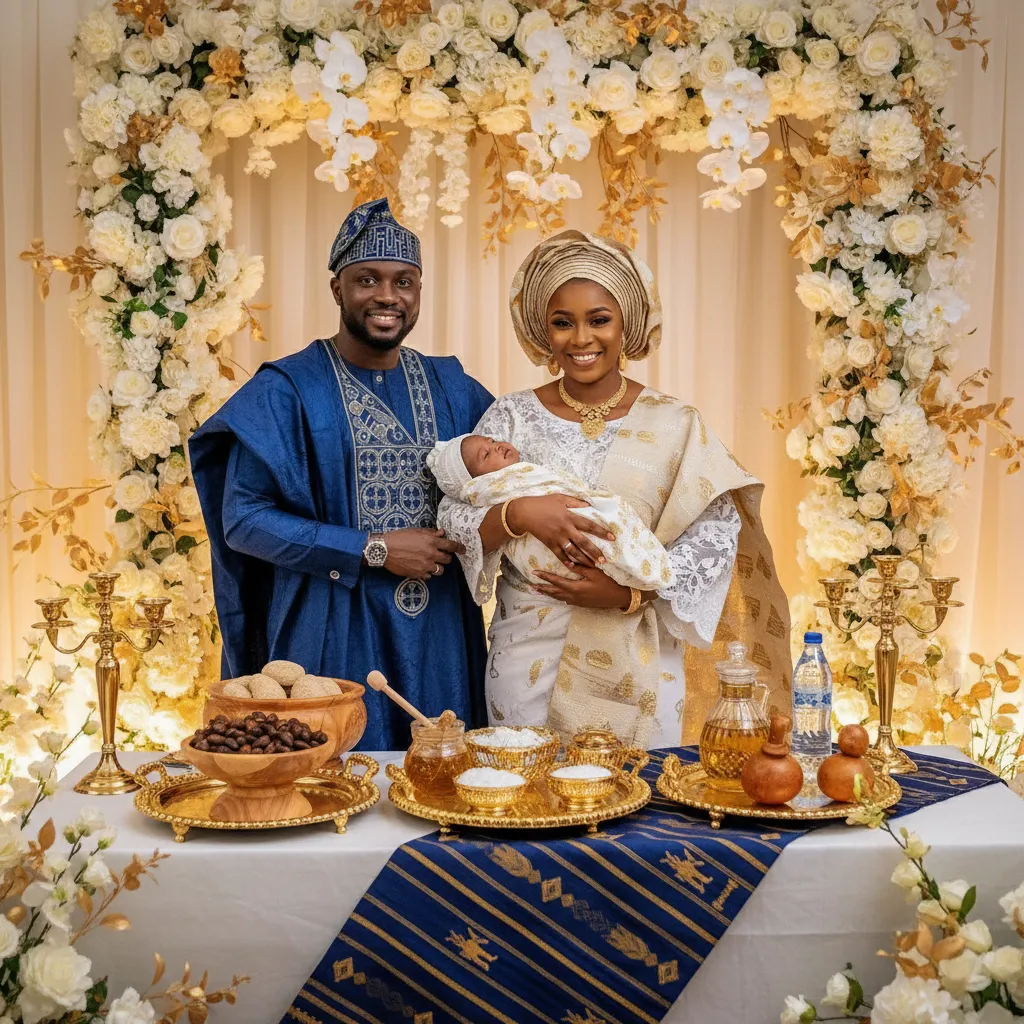
No Nigerian naming ceremony decor is complete without the symbolic traditional items that are central to the blessings and prayers offered to the newborn. These items typically include: kola nuts (longevity, community), honey (sweetness of life), salt (flavor, preservation), palm oil (soothing, peace), bitter kola (health, overcoming adversity), water (purity, life), Bible/Quran (spiritual guidance), pen and book (knowledge, wisdom), and money (prosperity). A prayer mat might also be present if the family is Muslim.
These elements are not merely props; they are integral to the ceremony's ritual. They are typically arranged on a dedicated, beautifully adorned table, often front and center, or beside the high table where the parents and elders will sit. The presentation should be elegant yet understated, allowing the significance of each item to shine. Small, ornate bowls or calabashes can hold the items, with a crisp white or gold tablecloth providing a clean backdrop. Surrounding this table with subtle floral arrangements or traditional African art pieces can enhance its prominence without detracting from its purpose.
Creating Ambiance: Lighting, Florals, and Centerpieces
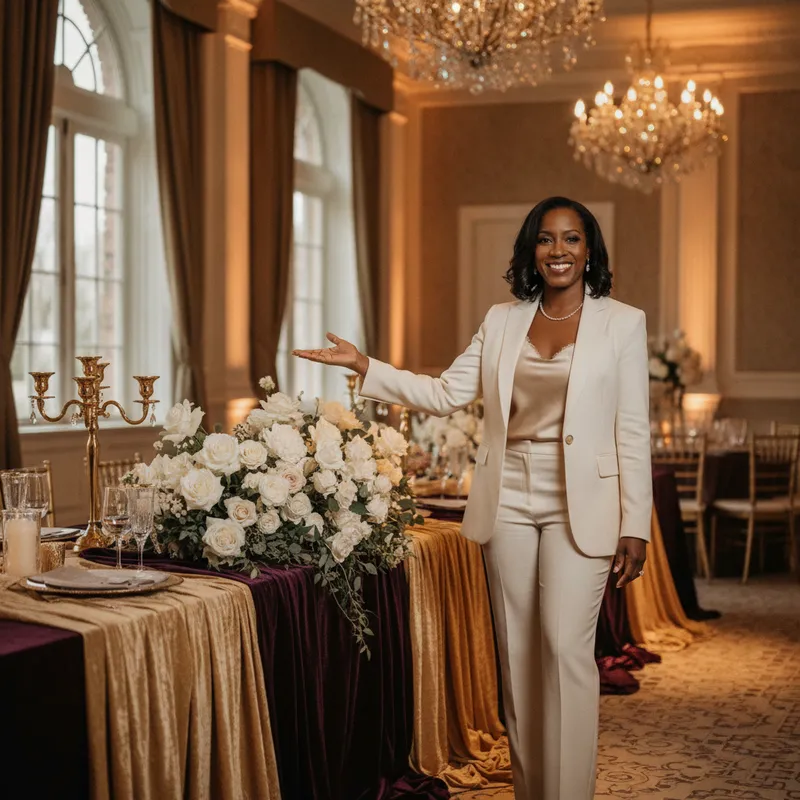
Ambiance is everything, transforming a venue from a mere space into a celebratory sanctuary. Thoughtful lighting, lush florals, and distinctive centerpieces are key to achieving this. For lighting, consider a mix of warm uplighting to wash the walls in your chosen colors, string lights or fairy lights for a magical glow, and perhaps a statement chandelier if the venue allows. Avoid harsh, direct lighting; instead, aim for soft, inviting illumination that enhances the decor.
Florals should complement your color scheme and overall theme. While roses, hydrangeas, and lilies are popular, incorporating tropical blooms or even indigenous African flowers can add a unique touch. Centerpieces can range from tall, dramatic arrangements that command attention to lower, more intimate clusters that encourage conversation. Consider incorporating elements like gold candelabras, crystal accents, or even small, intricately carved wooden pieces for an authentic touch. Don't forget the entrance! A grand floral arch or a decorated welcome sign can set the tone from the moment guests arrive. For venue ideas that can accommodate such grand designs, you might find inspiration from our article on affordable venues for baby showers in New Orleans, as many principles translate well.
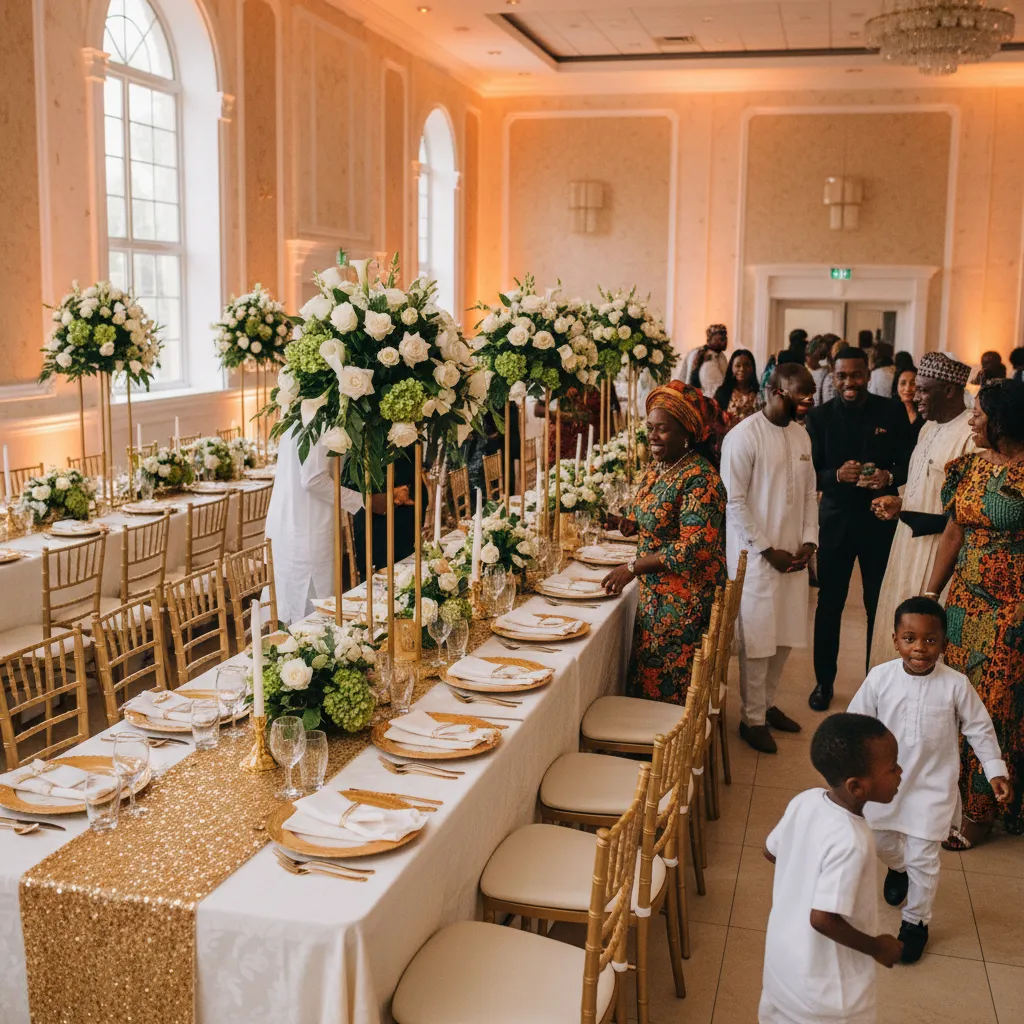
Featuring long tables with gold sequin runners, elaborate floral centerpieces in white and emerald green.
Vendor Selection & Budgeting for Decor Success
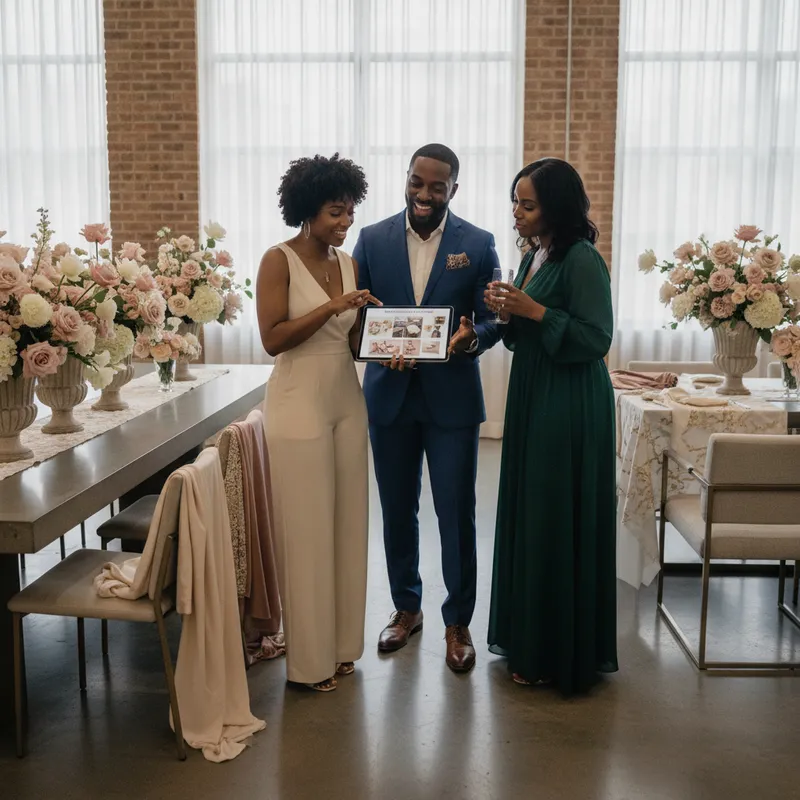
Securing the right decorator is paramount. Look for professionals with a portfolio showcasing experience in African or Afro-Caribbean events, as they'll possess the cultural sensitivity and expertise required. Don't just pick the cheapest option; prioritize experience, reliability, and a clear understanding of your vision. Platforms like Ajola make it easy to find decorators specializing in culturally specific events, allowing you to browse portfolios and read reviews from other event planners.
Budgeting for decor can vary widely based on location, venue size, chosen materials, and the decorator's experience. For an intimate gathering, expect to allocate anywhere from $2,000 to $5,000 for basic to moderate decor. For grander events with elaborate backdrops, extensive floral arrangements, and premium fabrics, costs can easily range from $7,000 to $15,000 or more. Always get a detailed quote that breaks down costs for each element, including setup and teardown fees. Be transparent about your budget, and a good decorator will help you prioritize and make the most impactful choices. Beyond decor, remember other key vendors; you can also find caterers near you on Ajola, perhaps even some of the best Black-owned caterers in Chicago for 2026 if you're planning there.
Personal Touches & Modern Infusions
While tradition is central, there's always room for personalization that makes the ceremony uniquely yours. Consider incorporating elements that reflect the parents' journey, hobbies, or even a subtle nod to the child's future aspirations. This could be a custom backdrop with the child's name intricately designed, a photo booth area featuring family pictures, or unique guest favors that tie into the chosen theme.
Modern infusions can be tastefully integrated without overshadowing tradition. For instance, instead of purely traditional seating, you might opt for elegant ghost chairs or velvet lounge seating areas. Digital screens can display family photos or cultural patterns during the event. Just ensure that any modern touches enhance, rather than detract from, the core cultural significance of the naming ceremony. Remember, the goal is a harmonious blend that celebrates heritage while embracing contemporary style. After all, the best events are those that reflect the unique story of the family. If you're a vendor who excels in creating these unique experiences, consider to sign up as a vendor on Ajola and connect with event planners seeking your expertise.
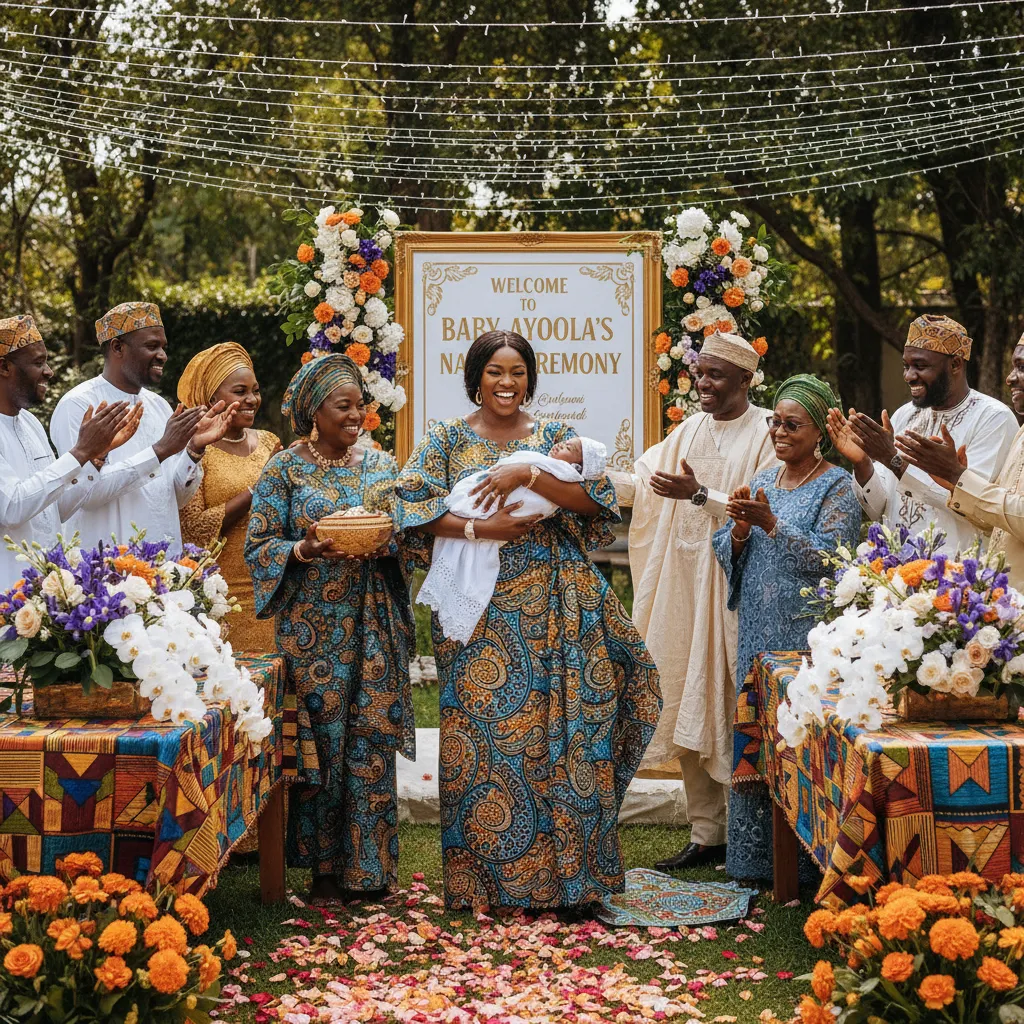
A proud Black mother holding her newborn at a beautifully decorated Nigerian naming ceremony, surrounded by smiling family members.