Nigerian wedding traditions explained: a complete guide
March 14, 2026 9 min read Ajola Team
Key Takeaways
Nigerian weddings are multifaceted celebrations, typically involving an engagement/introduction, a traditional ceremony, and often a white wedding.
Understanding the distinct cultural nuances of Igbo, Yoruba, and Hausa traditions is crucial for successful planning.
Vendor selection should prioritize professionals with experience in African cultural events, ensuring they understand specific rituals, music, and culinary requirements.
Budgeting for a Nigerian wedding in the diaspora can range from $30,000 to well over $100,000, depending on guest count and venue choices.
Early planning, clear communication with families, and leveraging platforms like Ajola for culturally competent vendors are key to a seamless experience.
Nigerian weddings are more than just events; they are vibrant, multi-day extravaganzas celebrating family, heritage, and the union of two souls. For African American and Afro-Caribbean couples looking to incorporate or fully immerse themselves in these rich traditions, navigating the intricacies can be both exciting and daunting. From the intricate negotiations to the dazzling attire and soul-stirring music, each element tells a story.
Understanding the Engagement & Introduction Ceremony: The Foundation of Union
The engagement and introduction ceremony, often known as Igba Nkwu (Igbo) or Kutunyar Aure (Hausa), serves as the official declaration of intent between families, laying the groundwork for the marriage to come. This initial stage is profoundly significant, involving formal introductions, discussions about the couple's intentions, and often the symbolic negotiation of the bride price or dowry.
For Igbo traditions, the Igba Nkwu, or 'wine carrying' ceremony, is where the bride identifies her groom by offering him a cup of palm wine amidst a crowd of suitors. This public affirmation is a beautiful moment of choice and commitment. The groom's family will present gifts and kola nuts, symbolizing respect and the formal request for the bride's hand. Yoruba traditions involve a formal letter of intent from the groom's family to the bride's, followed by the Idana, a formal engagement where items like yams, kola nuts, and honey are presented. Hausa traditions, on the other hand, focus on the Na Gani Ina So (I've seen and I like) ceremony, where the groom's family visits the bride's to formally express interest and begin dowry negotiations. These customs, while varying in specifics, universally emphasize familial consent and community involvement, ensuring both families are united in the decision.
"A Nigerian wedding is a tapestry woven with threads of tradition, family, and faith. Each ceremony, from the smallest introduction to the grandest reception, reinforces the communal bonds that define our culture." – Dr. Ngozi Okonjo-Iweala (paraphrased)
The bride price, while symbolic in many modern contexts, remains an important aspect. It's not about 'buying' the bride, but rather a demonstration of the groom's capability to care for his wife and a gesture of appreciation to her family for raising her. This stage also often includes the selection of traditional attire, typically vibrant fabrics like Ankara, Aso-Oke, or lace, setting the aesthetic tone for future celebrations.
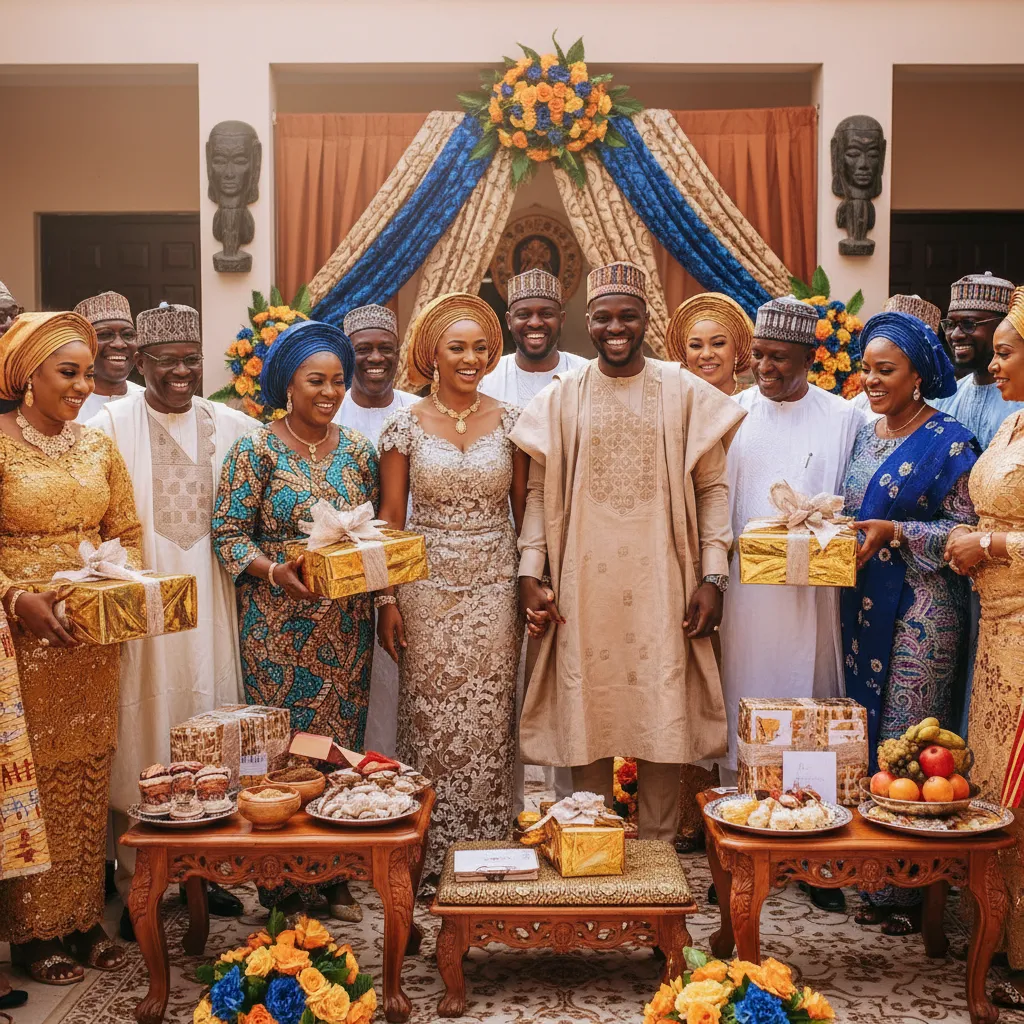
A vibrant Nigerian introduction ceremony with a Black couple.
The Traditional Wedding Ceremony: A Celebration of Culture and Community
The traditional wedding ceremony is the heart of Nigerian nuptials, a day bursting with color, music, dance, and mouth-watering cuisine. This event officially binds the couple according to their ancestral customs, bringing together extended families and communities in exuberant festivity.
Key elements vary by ethnic group but share a common thread of elaborate rituals and communal participation. In Igbo traditional weddings, the aforementioned wine-carrying ceremony is a highlight, followed by the exchange of vows and blessings from elders. Yoruba traditional weddings, or Alaga Ijoko/Idana, are renowned for their lively MCs (Alagas), prostration by the groom and his friends as a sign of respect, and the bride's grand entrance, often accompanied by her bridal train. Hausa weddings feature the Kamu (bridal shower) and Daurin Aure (religious solemnization), followed by the Walima (reception) which is less ostentatious than southern Nigerian celebrations but equally significant. Regardless of the specific rituals, expect a feast of traditional dishes – jollof rice, pounded yam with egusi soup, moi-moi – and pulsating music from live bands or DJs. Finding the right caterers and DJs on Ajola who specialize in Nigerian cuisine and music is paramount to capturing the authentic celebratory spirit.
Decorations often feature rich fabrics, fresh flowers, and cultural motifs. Many couples also incorporate elements like spoken word artists, a wonderful way to honor heritage, similar to how one might consider hiring a spoken word artist for your event to add a unique touch. The energy is infectious, with guests spraying money on dancers as a sign of appreciation and celebration. This is where the community truly comes alive, celebrating the new union with unbridled joy.
The White Wedding: Blending Modernity with Heritage
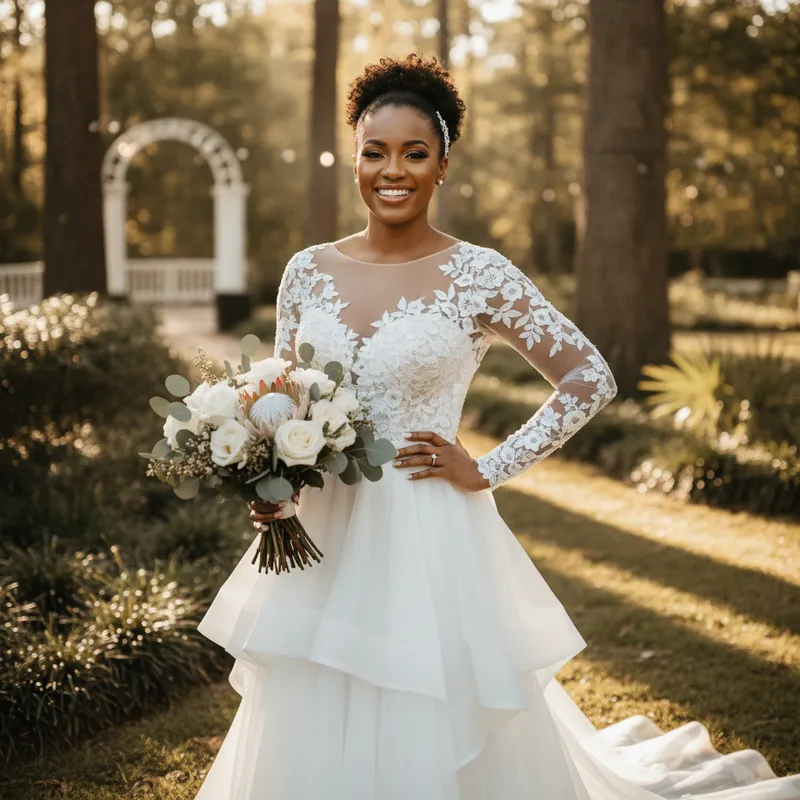
Following the traditional ceremony, many Nigerian couples opt for a 'white wedding,' a Western-style church or registry wedding and reception, blending contemporary elegance with their rich cultural background. This dual celebration allows couples to honor both their ancestral roots and their modern sensibilities, often providing a different aesthetic and guest experience.
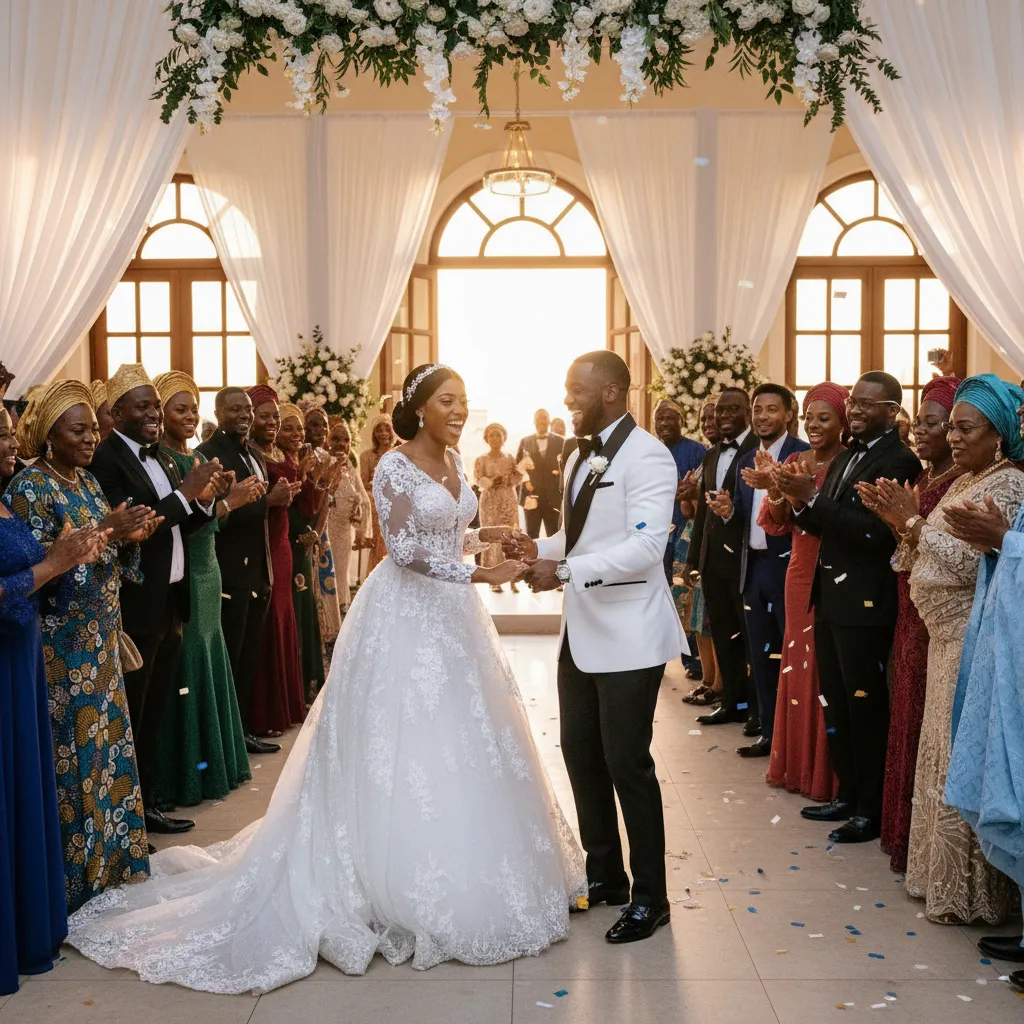
The white wedding typically involves a ceremony in a church or civil registry, with the bride in a white gown and the groom in a suit or tuxedo. The reception is where the blend truly shines. While the ceremony itself might be Western, the reception often incorporates Nigerian elements: a grand entrance by the bridal party to Afrobeat music, a lively money spray on the dance floor, and a menu that often features a mix of continental and Nigerian dishes. The bridal party often wears coordinated outfits, sometimes incorporating traditional fabrics or colors. The couple's first dance, cake cutting, and toast are standard, but often infused with Nigerian flair, such as a surprise dance routine or a dramatic entrance. Remember, even for a 'white wedding,' selecting vendors who understand the cultural nuances can elevate the experience. You can browse Ajola for wedding vendors who have experience with culturally diverse celebrations.
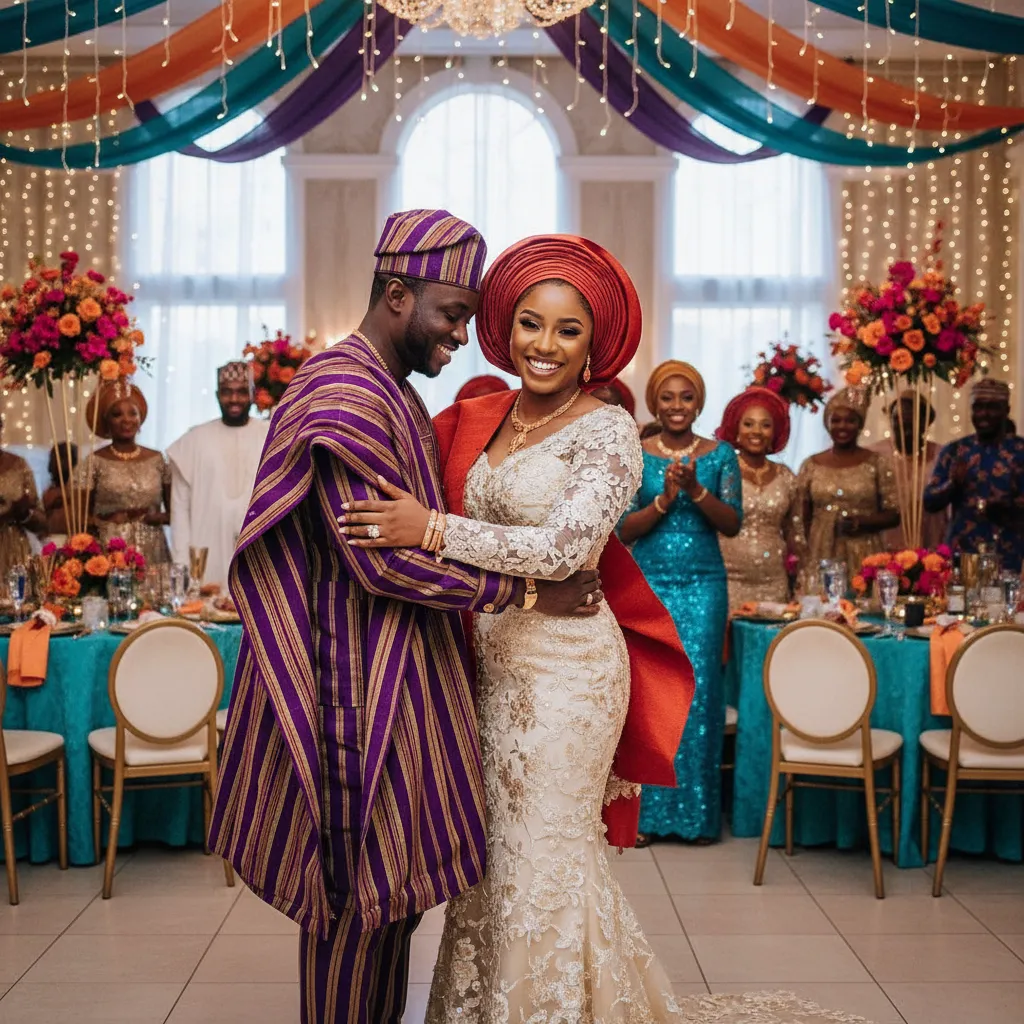
A Black couple in elegant white wedding attire, dancing joyfully at their reception.
Navigating Vendor Selection for Your Nigerian Wedding
Choosing the right vendors is critical for executing a seamless Nigerian wedding, especially one that honors specific traditions. You need professionals who not only deliver excellent service but also understand the cultural significance of each element.
When searching for photographers and videographers, look for portfolios that showcase vibrant cultural weddings. They should know how to capture the dynamic energy of a money spray, the intricate details of traditional attire, and the emotional weight of family blessings. For catering, ensure your chosen vendor can authentically prepare Nigerian delicacies and manage large guest counts, which are common at these events. Expect catering costs to range from $50-$150 per plate, depending on menu complexity and service style. Decorators should be able to translate your vision, whether it's an opulent Yoruba setup with specific color schemes or a more understated Hausa aesthetic. Event planners specializing in African events are invaluable, as they can guide you through the cultural protocols and manage the complex logistics. A full-service planner for a large Nigerian wedding in a major U.S. city like Houston, Atlanta, or the DMV area could cost between $5,000 and $15,000, depending on the scope. For vendors looking to expand their reach in this niche, understanding market dynamics and cultural needs is key, much like learning how to grow your event business in DMV.
Ajola is an excellent resource for connecting with Black-owned businesses and vendors who are deeply familiar with Nigerian cultural events. Whether you need an entertainment specialist for live music or a venue that accommodates traditional rituals, Ajola helps you find professionals who truly understand your vision. Remember to check reviews and ask for references, particularly from other couples who have hosted similar cultural celebrations.
Essential Tips for a Seamless Nigerian Wedding Experience
Planning a Nigerian wedding, with its multiple ceremonies and large guest lists, requires meticulous organization and a flexible mindset. Here are some essential tips to ensure your celebrations unfold beautifully.
Start Early and Delegate Wisely: Given the layers of tradition and potential guest count (often 300+), begin planning at least 12-18 months in advance. Engage family members in the planning process, but also consider hiring a professional event planner, especially one experienced in multicultural events, to manage logistics and cultural protocols.
Communicate with Both Families: Open and respectful dialogue with both the bride's and groom's families is crucial. Discuss expectations, delegate responsibilities, and ensure everyone feels heard and involved. This helps to avoid misunderstandings and fosters a sense of unity.
Budget Realistically: Nigerian weddings can be significant investments. A mid-range Nigerian wedding in the U.S. can easily cost between $30,000 and $70,000, while a lavish affair might exceed $100,000. Factor in costs for multiple outfits, traditional gifts, extensive catering, and travel for family members. Prioritize what matters most to you and your families.
Embrace the Joy and Flexibility: While planning is important, remember that the essence of a Nigerian wedding is joy, community, and celebration. Be prepared for slight deviations from the schedule – 'African time' is a real phenomenon! Embrace the spontaneity and focus on the love and happiness of the occasion.
Consider Your Guests' Experience: If guests are traveling internationally or from different states, provide information on accommodation, transportation, and local attractions. A detailed wedding website or information packet can be very helpful. This attention to detail ensures everyone feels welcome and can fully participate in the festivities.
Nigerian weddings are a profound expression of identity, community, and love. By understanding the traditions, carefully selecting culturally adept vendors through platforms like Ajola, and embracing the joyous spirit, you can create an unforgettable celebration that honors your heritage and begins your new journey together.