Jamaican weddings are rich with cultural significance, blending traditional African, European, and indigenous influences.
Key customs include the formal 'Asking for Her Hand,' vibrant pre-wedding celebrations like the 'Kitchen Tea,' and a lively reception with specific culinary and musical traditions.
The wedding cake, often a dark rum fruit cake, is central, alongside dishes like curried goat and ackee and saltfish.
Music, from reggae to dancehall, plays a crucial role in setting the festive atmosphere throughout the celebrations.
Involving family and community is paramount, emphasizing unity and collective joy from engagement to post-wedding life.
Planning a wedding is a monumental undertaking, but when you infuse it with the vibrant traditions of Jamaican culture, it transforms into an unforgettable celebration. Jamaican wedding customs are a beautiful tapestry woven from rich history, deep family values, and an infectious spirit of joy. For African American and Afro-Caribbean couples looking to honor their heritage, understanding these traditions isn't just about planning an event; it's about embracing a legacy.
The Sacred Start: Engagement and 'Asking for Her Hand'
The journey to a Jamaican wedding often begins with a time-honored tradition known as 'Asking for Her Hand.' This is more than a simple proposal; it's a formal request made by the groom and his family to the bride's parents or guardians for their blessing. This custom emphasizes respect, family approval, and the joining of two families, not just two individuals. It's a foundational step that sets the tone for the entire wedding process.
Typically, the groom, accompanied by his parents or a respected elder, will visit the bride's home. During this visit, a formal declaration of intent is made, often accompanied by gifts or a symbolic offering. This isn't just a formality; it’s a profound moment where both families officially acknowledge and bless the union. The discussion might cover future plans, expectations, and the initial steps for the wedding preparations, solidifying the communal aspect of marriage in Jamaican culture.
The Importance of Parental Blessing
In Jamaican culture, the blessing of parents carries immense weight. It signifies not only their approval but also their commitment to support the couple. Without this blessing, a union might be seen as less legitimate within the community. This tradition fosters a sense of unity and ensures that the couple embarks on their marital journey with the full backing of their extended families, creating a strong foundation for their future together.
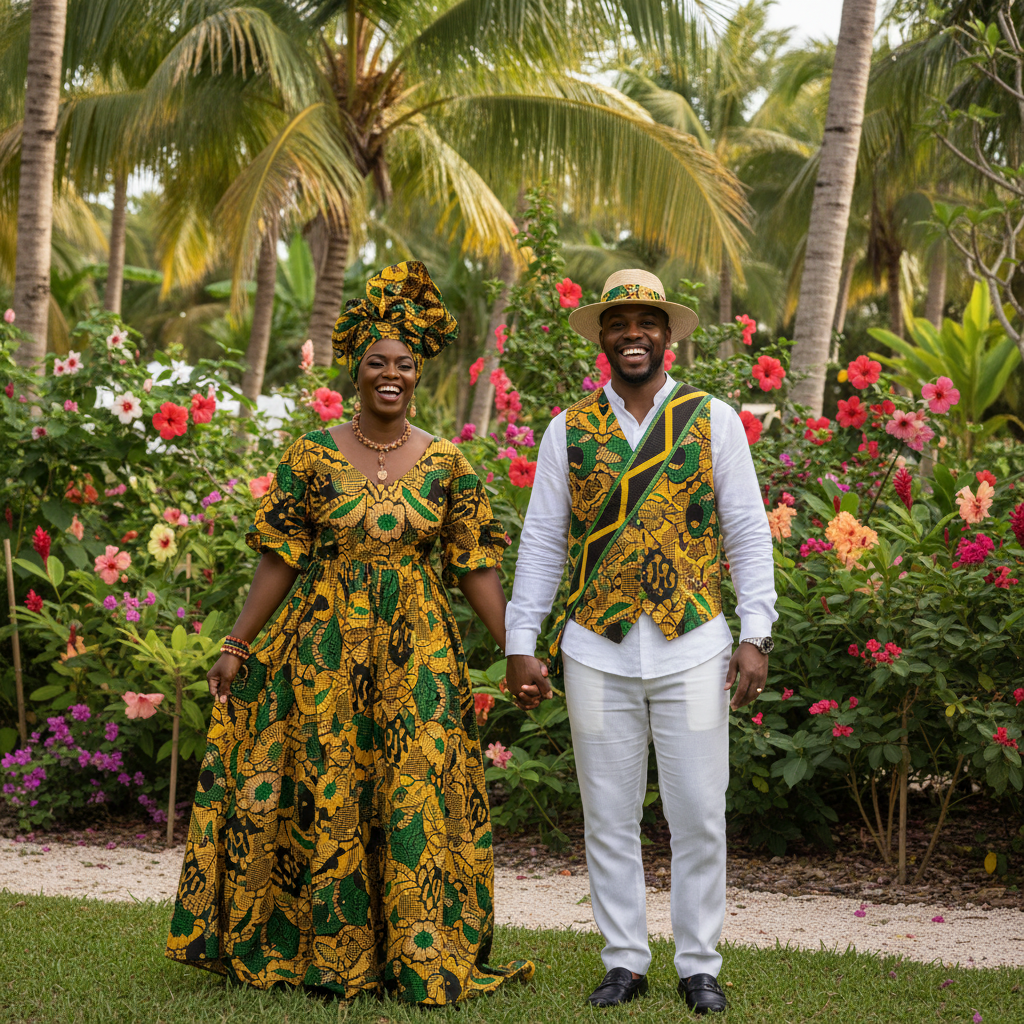
A joyful African American couple, dressed in elegant traditional Jamaican attire, smiling and holding hands in a lush tropical garden setting with vibrant flowers and palm trees in the background, shot on Canon EOS R5, 35mm lens, natural lighting, editorial photography.
Pre-Wedding Festivities: From Kitchen Teas to Bridal Showers
Before the grand wedding day, Jamaican couples and their families engage in several lively pre-wedding celebrations, each with its unique flavor and purpose. These events are not just parties; they are essential community gatherings that prepare the couple for married life and allow families to bond.
One of the most cherished traditions is the Kitchen Tea, often hosted by the bride’s female relatives and friends. Unlike a typical bridal shower focused on general household items, a Kitchen Tea specifically centers around gifts for the kitchen. Guests bring practical items like pots, pans, utensils, and small appliances, symbolizing the establishment of the new couple's home. It’s a wonderfully practical and communal way to equip the bride for her new role, often accompanied by traditional games, advice-sharing, and plenty of laughter.
Engagement Parties and Bachelor/Bachelorette Fun
Beyond the Kitchen Tea, engagement parties serve as a broader celebration, introducing the engaged couple to friends and extended family from both sides. These events are often less formal than the wedding itself but carry significant social weight, allowing families to mingle and build rapport. Bachelor and bachelorette parties, while more modern, have also found their place, often incorporating Jamaican flair with lively music, delicious food, and scenic locations.
"The pre-wedding celebrations are more than just parties; they're an affirmation of community and shared joy, preparing the couple not just for a wedding, but for a lifetime together." - A seasoned Jamaican event planner.
The Big Day: Rituals and Traditions of a Jamaican Wedding
The wedding day itself is a spectacle of joy, faith, and cultural expression. While specific practices can vary based on religious affiliation (many Jamaicans are Christian), several elements are commonly observed across the island and in diaspora communities.
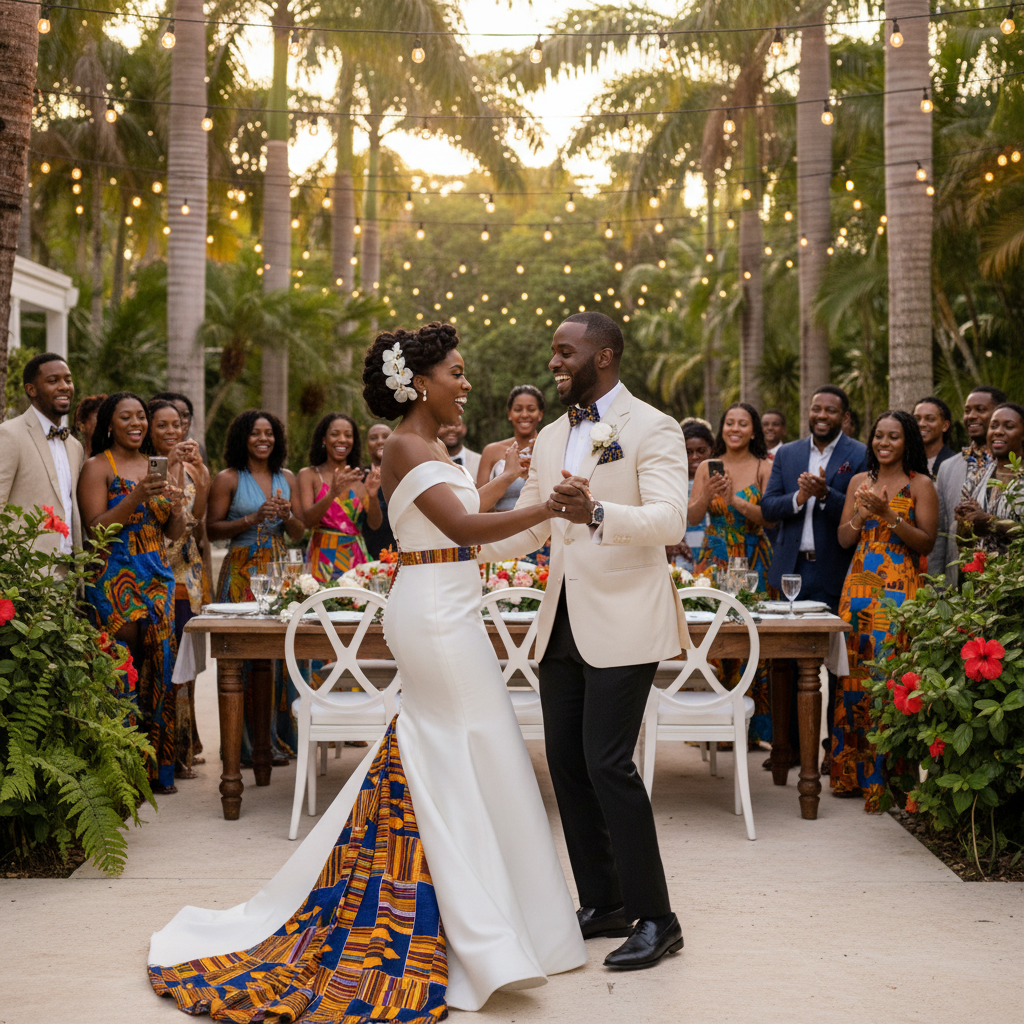
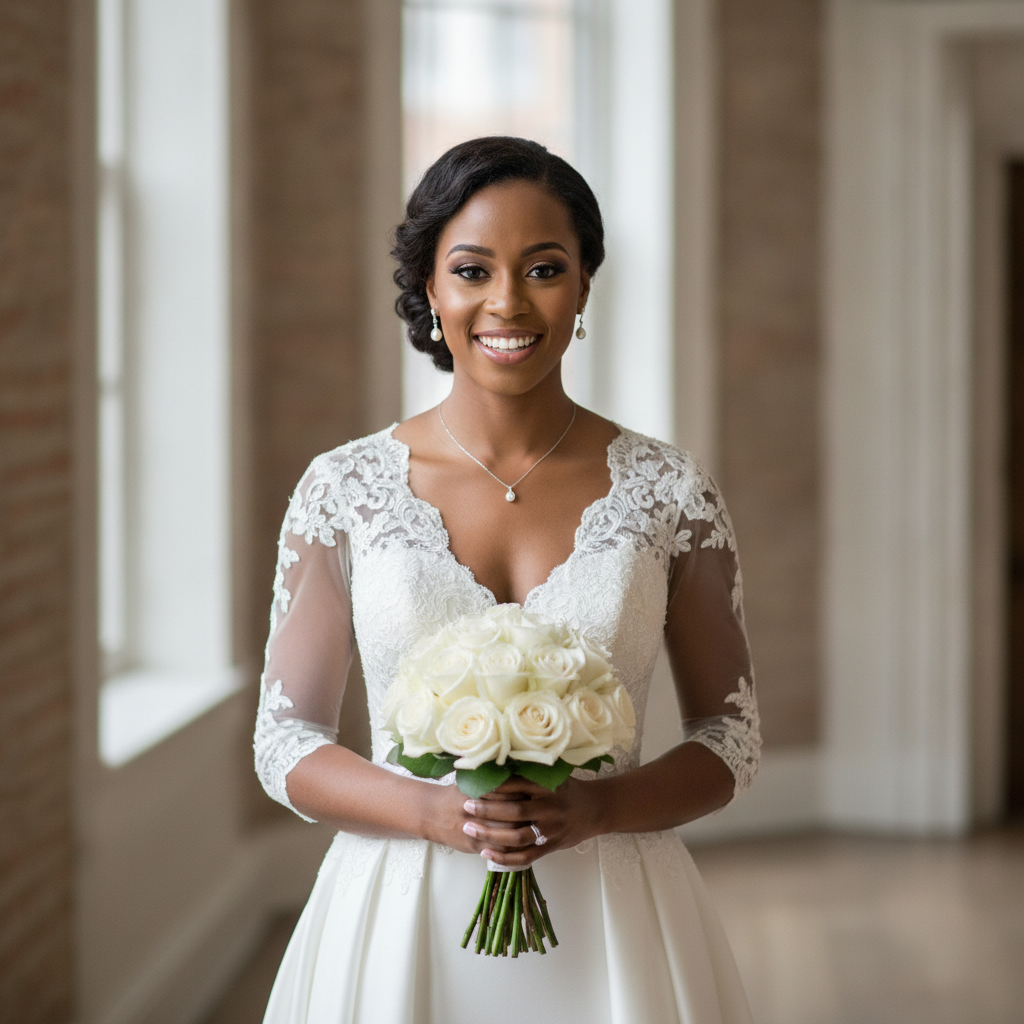
The ceremony often takes place in a church, reflecting the strong Christian influence. Brides typically wear traditional white gowns, and grooms don suits or more formal attire. However, a growing trend sees couples incorporating elements of traditional African wear, such as kente cloth accents or vibrant prints, into their wedding party's outfits or even their own. This blend beautifully honors both ancestral roots and contemporary style.
Musical Interludes and Symbolic Gestures
Music is the heartbeat of any Jamaican gathering, and weddings are no exception. Expect gospel hymns, traditional spirituals, and contemporary praise and worship songs during the ceremony. The recession might feature more upbeat reggae or calypso tunes, signaling the start of the joyous celebration to follow. Symbolic gestures, like the lighting of a unity candle or the exchanging of vows that include family members, are often incorporated to emphasize the communal aspect of the union.
For couples planning their big day, finding the right vendors is paramount. You can explore a wide range of vendors on Ajola, from photographers who can capture every precious moment to event planners who specialize in cultural weddings. If you're a vendor looking to connect with these couples, Ajola also supports vendors in growing their business.
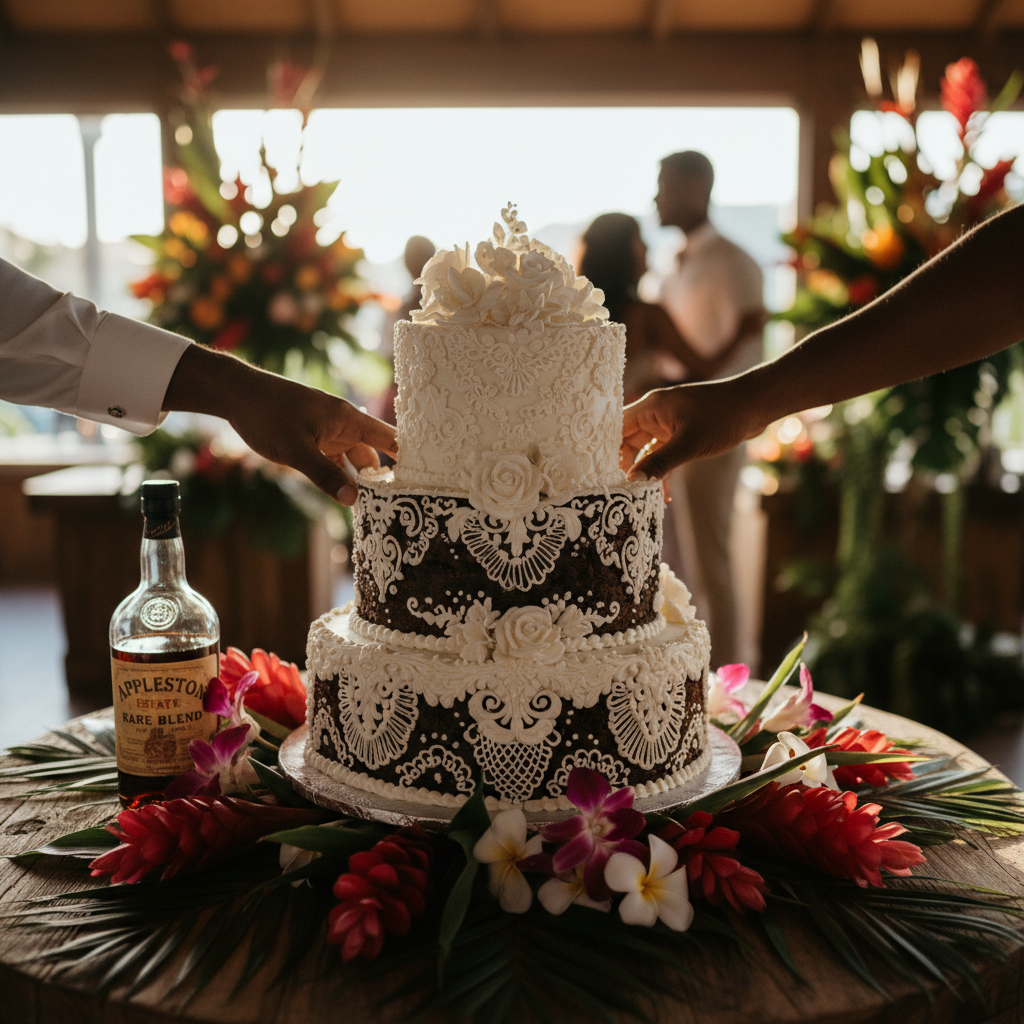
A close-up shot of a beautifully decorated traditional Jamaican wedding cake, a rich dark fruit cake with white intricate icing, surrounded by tropical flowers and a bottle of rum, on a rustic wooden table, shot on Canon EOS R5, 35mm lens, natural lighting, editorial photography.
The Grand Reception: Food, Music, and Merriment
After the solemnity of the ceremony, the reception explodes with the true spirit of Jamaican merriment. This is where the food, music, and dance take center stage, creating an atmosphere of unparalleled joy and communal celebration.
The centerpiece of any Jamaican wedding reception is undoubtedly the wedding cake. This is typically a rich, dark rum fruit cake, often baked weeks or even months in advance to allow the rum to properly infuse and mature the flavors. It’s a labor of love, passed down through generations, symbolizing sweetness, longevity, and prosperity. The cake cutting is a significant moment, often followed by the couple sharing the first slice.
A Feast for the Senses: Culinary Delights
The food spread at a Jamaican wedding is a feast for the senses. Guests can expect a lavish buffet featuring quintessential Jamaican dishes. Staples include:
Curried Goat: A rich, flavorful stew, often considered a celebratory dish.
Fried Fish and Escovitch Fish: Freshly caught fish, often snapper, prepared either fried or pickled with vinegar and vegetables.
Rice and Peas: A staple side dish made with kidney beans and coconut milk.
Jerk Chicken or Pork: Marinated and slow-cooked to perfection, a fiery crowd-pleaser.
Mannish Water: A traditional soup made from goat offal, believed to be an aphrodisiac for the groom.
And, of course, plenty of rum punch, sorrel, and ginger beer to keep the spirits high. Expect to hear a mix of reggae, dancehall, soca, and even some American R&B, ensuring everyone is on the dance floor. The 'Dollar Dance,' where guests pay to dance briefly with the bride or groom, is a common way to offer financial blessings to the new couple.
Post-Wedding Customs: Keeping the Love Alive
While the wedding day is the peak of celebration, Jamaican traditions extend beyond the initial festivities, emphasizing the ongoing journey of marriage and family integration. The honeymoon is a cherished time for the couple to relax and bond, often to another Caribbean island or a serene spot on the mainland.
However, the integration of the couple into their respective extended families continues. It’s common for the bride to spend significant time with her in-laws, learning family customs, recipes, and dynamics. This period solidifies the new familial bonds forged by the marriage. The community remains a strong support system, offering advice, encouragement, and practical help as the couple navigates their first years of marriage.
The Enduring Role of Family and Community
In Jamaican culture, marriage is not just a union of two people; it's a strengthening of community ties. Family elders play a crucial role in imparting wisdom and mediating any potential conflicts. This enduring support system is a cornerstone of Jamaican life and extends deeply into marital customs. Whether it's advice on game and activity ideas for family reunions or simply sharing a meal, the collective spirit keeps the love alive.
Understanding and incorporating these Jamaican wedding customs into your celebration adds layers of meaning, joy, and cultural pride. It’s a testament to heritage, a celebration of love, and a vibrant declaration of community. For couples planning their wedding, remember to find the perfect wedding photographer on Ajola who understands how to capture the unique energy and beauty of these traditions. Embrace the rhythm, the flavors, and the warmth, and your Jamaican wedding will truly be an event to remember.