Kwanzaa decoration ideas for community celebrations
April 4, 2026 10 min read Admin
Key Takeaways
Kwanzaa decorations are deeply symbolic, centered on the Nguzo Saba (Seven Principles) and traditional colors: red, black, and green.
The Mkeka (mat) serves as the foundation, often made from raffia or vibrant African prints, upon which all other symbols are arranged.
Properly displaying the Kinara (candle holder) and its seven candles is crucial, symbolizing unity and heritage.
Mazao (crops) and Vibunzi (corn) represent harvest and offspring, requiring thoughtful, abundant presentation.
Incorporating Zawadi (gifts) through creative displays encourages community engagement and celebrates cultural identity.
Beyond the central display, extend themes with textiles, lighting, and cultural music to immerse guests in the celebration.
Understanding Kwanzaa's Core Principles in Decor
Kwanzaa decorations are far more than mere aesthetics; they are powerful visual affirmations of African American heritage and the Nguzo Saba, the Seven Principles. These principles—Umoja (Unity), Kujichagulia (Self-Determination), Ujima (Collective Work and Responsibility), Ujamaa (Cooperative Economics), Nia (Purpose), Kuumba (Creativity), and Imani (Faith)—should guide every decorative choice, ensuring your celebration resonates deeply with its cultural significance.
The foundational elements of Kwanzaa decor are steeped in symbolism, particularly the colors red, black, and green. Black represents the people, red symbolizes the struggle for liberation, and green signifies the land and hope for the future. Integrating these colors prominently through fabrics, lighting, and natural elements creates an immediate visual connection to the holiday's roots. Beyond color, the core symbols—the Kinara (candle holder), Mkeka (mat), Mazao (crops), Vibunzi (corn), Zawadi (gifts), and Kikombe cha Umoja (unity cup)—must be presented with reverence and intention. Each item tells a story, making the decor an educational and celebratory experience for all attendees.
Crafting a Vibrant Mkeka (Mat) as Your Foundation
The Mkeka, a woven mat, is the symbolic foundation of the Kwanzaa setting, representing tradition and history upon which all other symbols rest. This central piece is not just a backdrop; it grounds the celebration in African heritage and provides a visual anchor for the entire display.
When selecting or crafting your Mkeka, consider materials that evoke authenticity and cultural richness. Traditional options include woven raffia, straw, or grass mats, which offer a rustic, earthy feel. For a more contemporary or personalized touch, many event planners opt for mats made from vibrant African print fabrics like Kente cloth, Ankara, or mud cloth. These fabrics introduce dynamic patterns and rich textures that can instantly elevate the aesthetic. You might source these from local African textile shops or browse Kwanzaa decoration specialists on Ajola who offer custom-designed mats. A well-chosen Mkeka, perhaps measuring 3x5 feet for a community display, can cost anywhere from $30 for a basic woven mat to $150+ for a custom fabric piece. Remember, the Mkeka sets the stage, so its quality and visual appeal are paramount for a truly impactful display.
A beautifully arranged Kwanzaa display featuring a vibrant woven raffia Mkeka mat as the foundation, adorned with a black Kinara holding seven candles (three red, one black, three green), surrounded by an abundant display of fresh Mazao (fruits and vegetables like yams, corn, plantains), and a decorative Kikombe cha Umoja. Shot on Canon EOS R5, 35mm lens, natural lighting, editorial photography, with soft, warm light emphasizing the textures and colors.
For community celebrations, consider incorporating multiple smaller Mkekas across different tables or activity stations to reinforce the theme throughout the venue. This approach allows for creative variations while maintaining the overarching cultural consistency. For instance, a children's craft table could have a durable, easy-to-clean Mkeka, while the main display features a more elaborate textile. Think about how the Mkeka can also tie into other elements, such as runners or placemats, to create a cohesive design narrative. Ensuring the mat is clean, well-maintained, and free of creases will present a polished and respectful appearance for your Kwanzaa celebration.
Elevating the Kinara & Candle Lighting Ceremony
The Kinara, a seven-branched candle holder, is the most sacred symbol of Kwanzaa, representing the ancestral stock from which African people came and symbolizing continental African unity. Its placement and surrounding decor are crucial for honoring its significance during the daily candle lighting ceremony.
The Kinara should always be the focal point of your Kwanzaa display. Place it centrally on the Mkeka, ensuring it's stable and safe for daily candle lighting. The arrangement of the Mishumaa Saba (Seven Candles)—three red on the left, one black in the center, and three green on the right—must be correct, as each color represents specific principles. Surrounding the Kinara, consider elements that enhance its reverence. Natural textures like polished wood, smooth river stones, or dried gourds can complement its earthen feel. A rich fabric backdrop in Kwanzaa colors can also draw attention and create a dignified setting. For safety, always ensure the Kinara is on a non-flammable surface, away from drapes or highly flammable decor, especially in community settings where children might be present. Fire extinguishers should be accessible, and a designated, trained individual should oversee the candle lighting. Renting a professionally styled Kinara display, complete with quality candles and secure holders, might range from $200-$500 from an event rental company or a specialized decorator found on Ajola, ensuring both aesthetic appeal and safety protocols are met.
Incorporating Mazao (Crops) and Vibunzi (Corn) with Abundance
Mazao, or crops, symbolize the harvest and the rewards of collective labor, while Vibunzi, ears of corn, represent children and the hope for the future. Displaying these elements with generosity and creativity emphasizes the themes of abundance, fertility, and community growth.
For a truly impactful Mazao display, think beyond a simple bowl of fruit. Create lavish cornucopias overflowing with seasonal produce like yams, plantains, collard greens, sweet potatoes, okra, and colorful gourds. Tiered stands, woven baskets, and wooden crates can add varying heights and textures, making the display visually rich and inviting. Arrange Vibunzi (ears of corn) prominently; one ear for each child in the household or community, symbolizing the continuity of the family line and community. Even if there are no children present, at least two ears are traditionally placed to represent the children of the community. Consider integrating fresh herbs or vibrant flowers to add fragrance and color, further enhancing the harvest theme. For large community events, collaborating with a caterer near you on Ajola can help ensure a visually stunning and fresh presentation of these symbolic foods, some of which might even be part of a post-ceremony meal. Remember, the goal is to convey prosperity and the bounty of the earth, celebrating the fruits of labor and the promise of future generations.
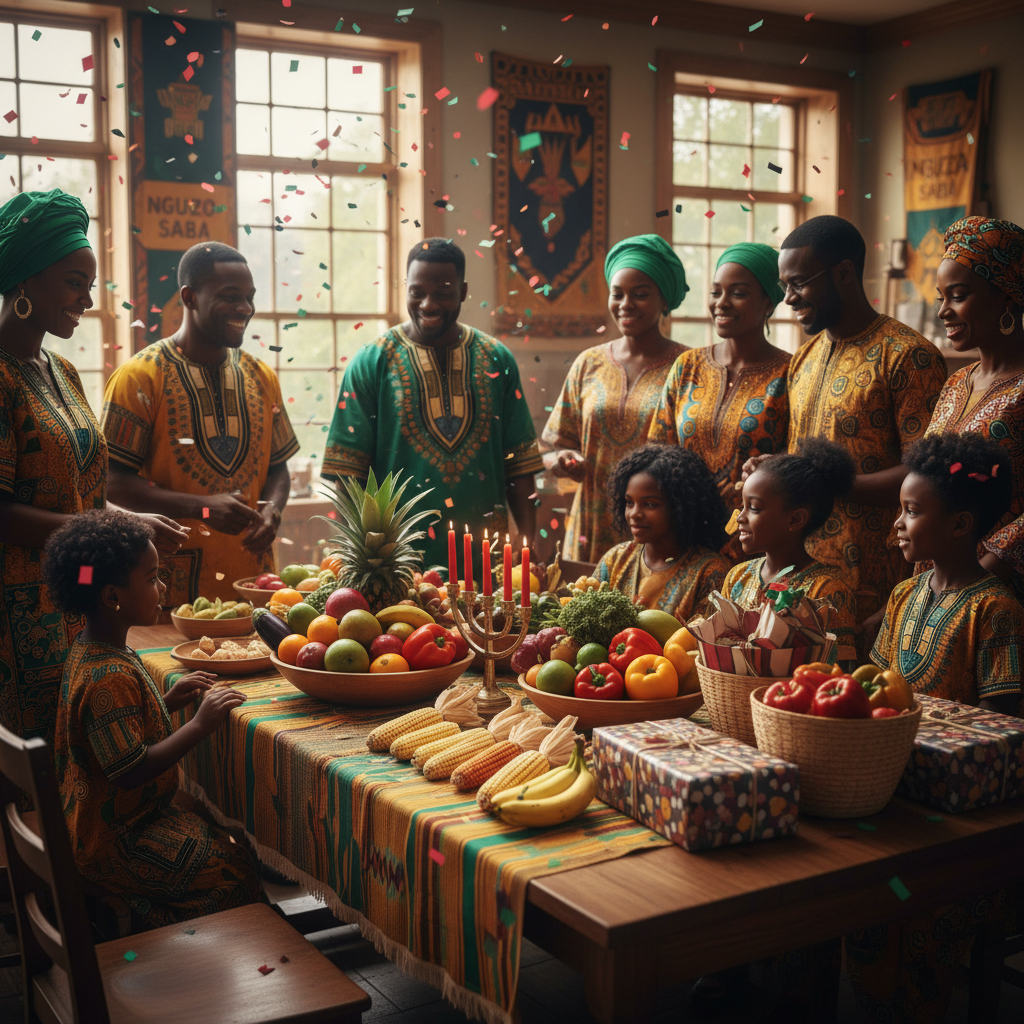
A lively community Kwanzaa celebration gathering indoors, with African American families and children interacting around a beautifully decorated table. The table features a large display of Mazao (fresh fruits and vegetables), multiple Vibunzi (ears of corn), and colorful Zawadi (gifts) in woven baskets. People are dressed in vibrant African-inspired attire, smiling and engaging. Shot on Canon EOS R5, 35mm lens, natural lighting, editorial photography, with warm, inviting light.
To make the Mazao display interactive and engaging for younger attendees, consider a "build-your-own" mini cornucopia station where children can select small fruits and vegetables to arrange in mini baskets. This not only reinforces the symbolism but also provides a hands-on activity. You could also include informational cards explaining the significance of each crop, turning the display into an educational opportunity. For a modern twist, integrate some of these crops into the actual menu, blurring the lines between decoration and feast, much like the communal feast of Karamu. This approach ensures the symbolism is not just seen but also experienced, making the celebration more memorable and impactful for everyone involved.
Thoughtful Zawadi (Gifts) Displays and Community Engagement
Zawadi, or gifts, are given on the seventh day of Kwanzaa, representing the labor and love of parents and the commitments made by children. Displaying these gifts thoughtfully not only adds to the decor but also fosters a sense of anticipation, community, and appreciation for cultural values.
Traditionally, Zawadi are handmade or culturally significant gifts that promote self-development and celebrate African heritage. Instead of simply piling gifts, create an inviting display area. Consider using woven baskets, handcrafted wooden boxes, or fabric-covered pedestals to showcase gifts. You might designate a "Zawadi Corner" where gifts can be placed throughout the celebration week, building excitement for the final day. For community events, encourage attendees to bring a culturally relevant book, piece of art, or a handmade item to contribute to a collective display, emphasizing Ujamaa (Cooperative Economics) and Kuumba (Creativity). This collective display can become a powerful visual representation of the community's shared values and talents. You can find skilled artisans and craftspeople on Ajola who can create unique, culturally authentic Zawadi, or even offer workshops for attendees to make their own gifts, strengthening the principle of Kujichagulia (Self-Determination).
Beyond the Table: Enhancing the Entire Space
While the central Kwanzaa display is paramount, extending the decorative themes throughout the entire event space creates a truly immersive and cohesive celebration. Every corner of your venue offers an opportunity to reinforce the holiday's principles and aesthetics.
Think about vertical elements. Adorn walls with vibrant African textiles, banners featuring the Nguzo Saba, or artwork depicting scenes of African American life and history. For large spaces, consider draping Kente cloth or mud cloth over doorways or creating fabric backdrops for photo booths. Lighting plays a crucial role in setting the mood; use warm, amber, red, black, and green uplighting or string lights to create an inviting and celebratory ambiance. Incorporate natural elements like potted plants, dried grasses, or wood accents to bring the essence of the harvest and the land indoors. Don't forget the auditory experience; a carefully curated playlist of R&B, Soul, and Afrobeat music, perhaps drawing inspiration from Ajola's guide to R&B and Soul music, can profoundly enhance the atmosphere. For assistance in transforming your entire venue, consider reaching out to professional decorators on Ajola who specialize in cultural events. They can help with everything from custom backdrops to intricate table settings, ensuring your Kwanzaa celebration is not only visually stunning but also deeply meaningful. Remember, the goal is to create an environment where every guest feels connected to the rich heritage and vibrant spirit of Kwanzaa, from the moment they step in until the last candle is extinguished.
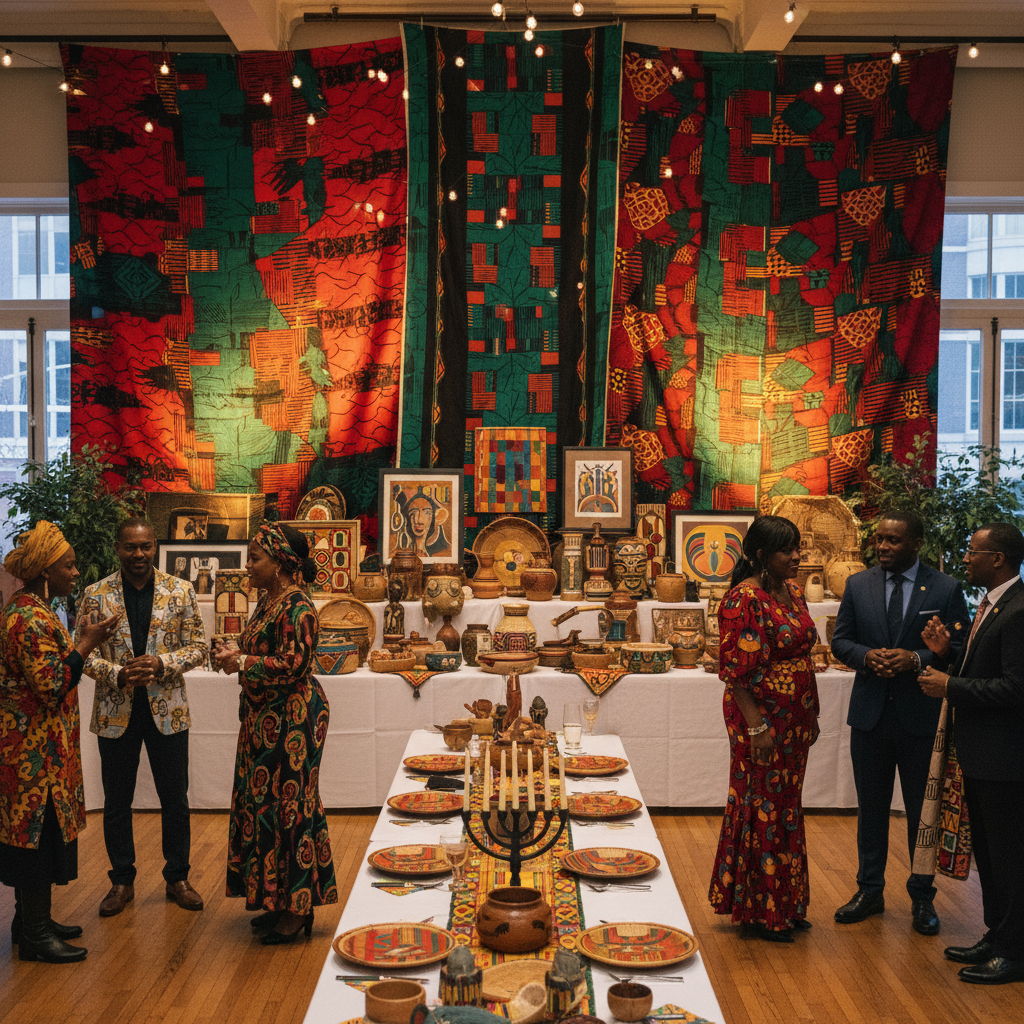
An elegant Kwanzaa community celebration space, showcasing a beautifully decorated wall with large African print fabric hangings in red, black, and green, softly illuminated by warm uplighting. Guests, predominantly African American, are mingling, with some admiring a display of traditional crafts and artwork. Shot on Canon EOS R5, 35mm lens, natural lighting, editorial photography, conveying a sense of warmth and cultural pride.
Beyond visual and auditory elements, consider interactive decor that encourages participation. A designated area for storytelling, featuring comfortable seating and culturally relevant books (perhaps inspired by creative display ideas for other elements), can draw guests in. For a truly memorable event, ensure that the entire setup is reflective of the community's values. Before finalizing your decor plan, it's always wise to conduct a thorough venue walkthrough to confirm that your decorative vision is feasible and aligns with the space's capabilities. This meticulous planning ensures that your Kwanzaa celebration is not just an event, but a truly immersive and inspiring experience for everyone involved, deeply rooted in its cultural significance and community spirit.