Soca vs Afrobeats: building the perfect event playlist
March 14, 2026 7 min read Ajola Team
Key Takeaways
Soca, with its high-energy brass and calypso roots, and Afrobeats, known for its melodic grooves and diverse West African influences, each offer distinct vibes for events.
Understanding your audience's cultural background, age range, and the event type is paramount to selecting the right musical blend.
Strategic playlist blending involves tempo matching, key compatibility, and building energy throughout the event, often best executed by a professional DJ.
Beyond music, integrate cultural elements like decor, cuisine, and dress codes that complement your chosen soundscape.
Hiring a culturally savvy DJ who understands both genres and can read a diverse room is crucial for a seamless and memorable experience.
Crafting the perfect event playlist isn't just about playing good music; it's about curating an experience, setting a mood, and connecting with your audience on a deeper, cultural level. For event planners catering to African American and Afro-Caribbean communities, the choice often comes down to two powerhouses: Soca and Afrobeats. But how do you choose, blend, and leverage these genres to create an unforgettable celebration?
Understanding the Rhythms: Soca's Pulse vs. Afrobeats' Groove
Soca and Afrobeats, while both igniting dance floors globally, originate from distinct cultural landscapes and possess unique rhythmic signatures. Soca, born in Trinidad & Tobago, is an effervescent, high-energy genre steeped in carnival tradition, characterized by its rapid tempos, infectious brass lines, and call-and-response vocals, directly evolving from Calypso. Afrobeats, on the other hand, is a broader, more melodic contemporary genre originating primarily from West African nations like Nigeria and Ghana, known for its intricate drum patterns, catchy guitar riffs, and fusion of various African and Western influences.
Soca typically ranges from 120-140 BPM, driving a relentless, celebratory energy ideal for peak-time revelry and movement-heavy dancing. Artists like Machel Montano, Bunji Garlin, and Patrice Roberts define its vibrant sound. Afrobeats, often found between 100-125 BPM, offers a more versatile groove, allowing for both rhythmic swaying and energetic dance breaks, blending traditional African rhythms with pop, R&B, and dancehall elements. Think Wizkid, Davido, Burna Boy, and Tiwa Savage, whose tracks often tell stories and evoke a broader range of emotions.
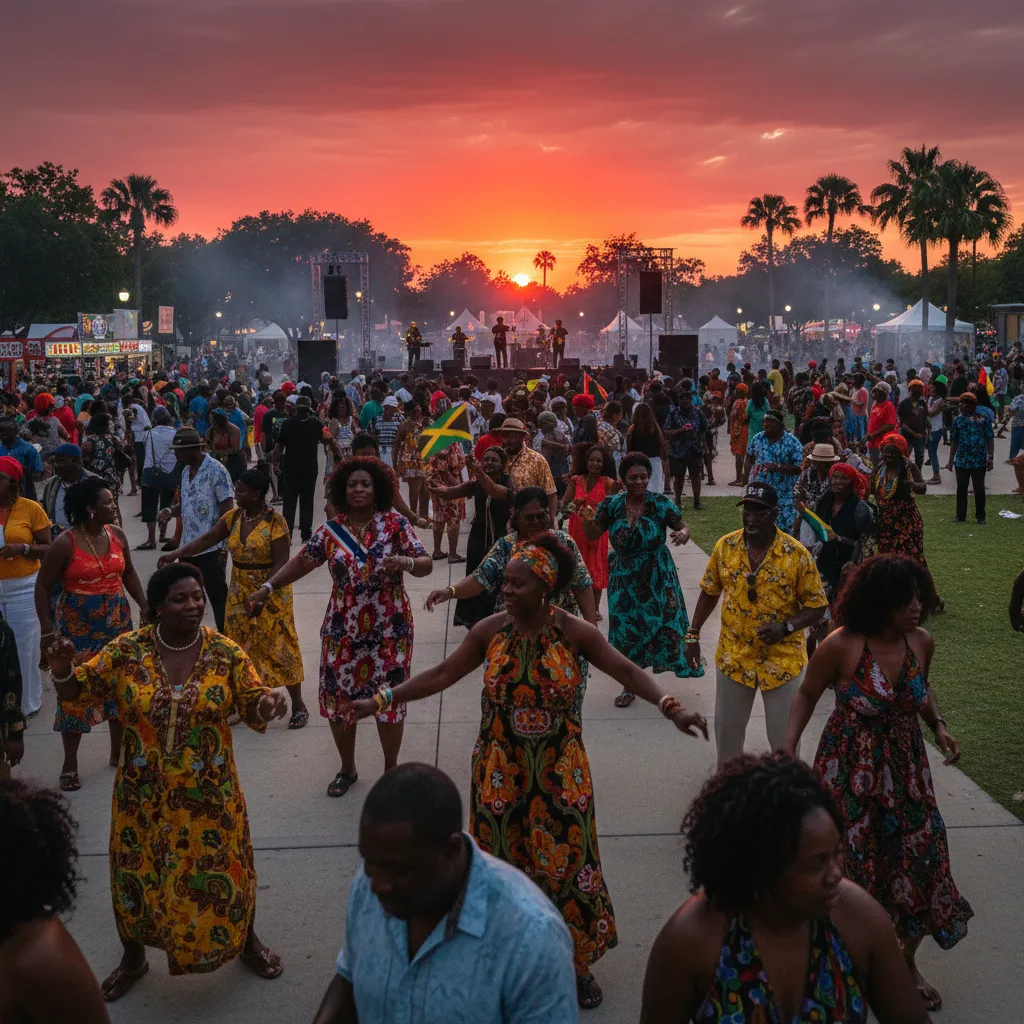
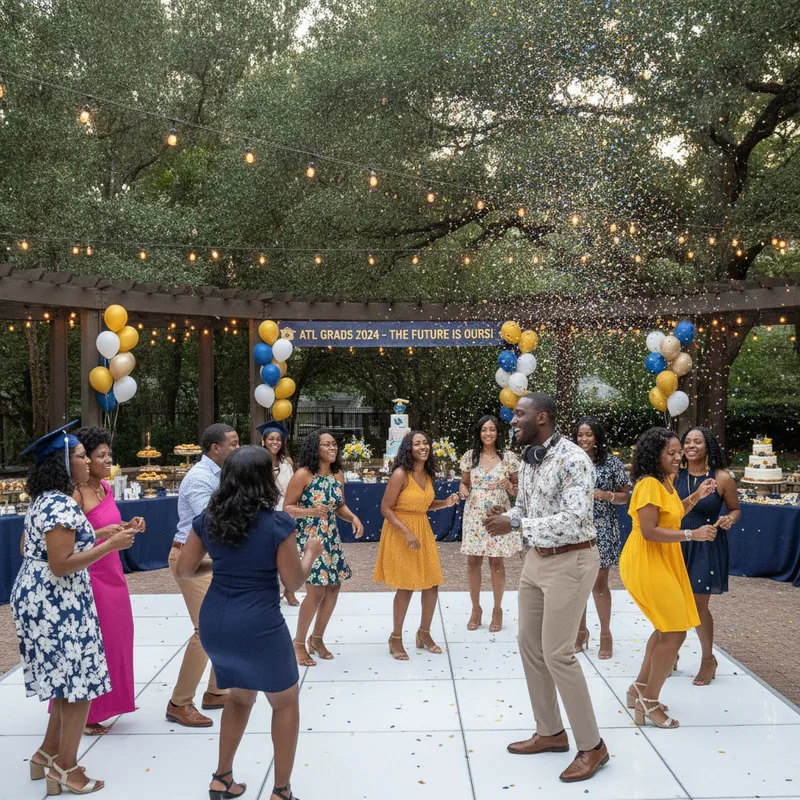
A lively outdoor event with African American and Afro-Caribbean people dancing enthusiastically, some waving small flags. The sun is setting, casting warm light on the scene.
Knowing Your Crowd: Tailoring the Vibe to Your Guests
The success of your event playlist hinges significantly on understanding your audience's demographics and cultural background. A crowd primarily composed of first or second-generation Caribbean diaspora guests might naturally gravitate towards Soca and Dancehall, with deep roots in carnival culture, while an audience with strong West African ties may prefer a heavier dose of Afrobeats, Highlife, and Amapiano.
Consider the age range of your attendees; younger generations often have a broader appreciation for both, thanks to social media and global music trends, making a blend highly effective. For a wedding celebrating a Nigerian couple, a playlist heavy on Afrobeats and traditional Nigerian wedding songs, interspersed with a dash of universally loved genres, would be perfect. Conversely, a large family reunion with Caribbean roots might thrive on a foundation of Soca, Reggae, and Calypso. Event type matters too: a high-energy birthday bash might lean more into Soca's dynamism, while a more sophisticated corporate gala could benefit from the smoother, more melodic tones of Afrobeats. To ensure you're hitting the right notes, consider surveying guests or consulting with a seasoned event planner. You can find skilled event planners on Ajola who specialize in cultural events.
The Art of the Blend: Crafting a Seamless Musical Journey
Successfully integrating Soca and Afrobeats into a single playlist is an art form that transforms two distinct energies into a cohesive musical journey. The key lies in strategic transitions, tempo matching, and understanding the emotional arc of your event. Start by identifying tracks in both genres that share similar tempos or keys, which allows for smoother beatmatching by a professional DJ. A skilled DJ can effortlessly bridge a high-energy Soca track with an equally vibrant Afrobeats hit, maintaining the dance floor's momentum.
Consider an opening segment featuring mid-tempo Afrobeats to set a sophisticated yet groovy tone, gradually building to more energetic tracks. As the evening progresses and energy peaks, introduce Soca to really elevate the atmosphere, then strategically weave in popular Afrobeats anthems to keep everyone engaged. Don't be afraid to experiment with sub-genres; a touch of Amapiano (South African house music) can provide a fantastic bridge between an Afrobeats segment and a more electronic-infused Soca set. For expert guidance in crafting these seamless transitions, browse DJs on Ajola who specialize in blending diverse cultural sounds.
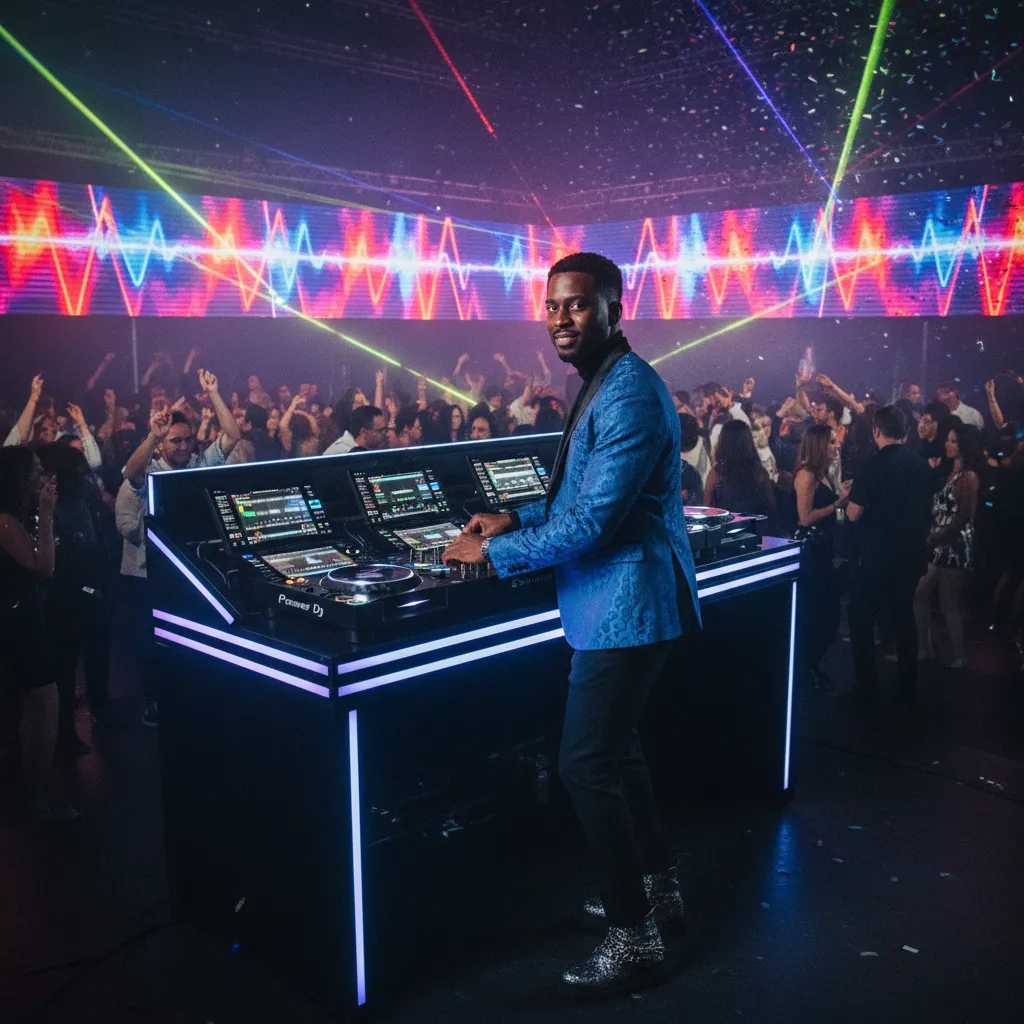
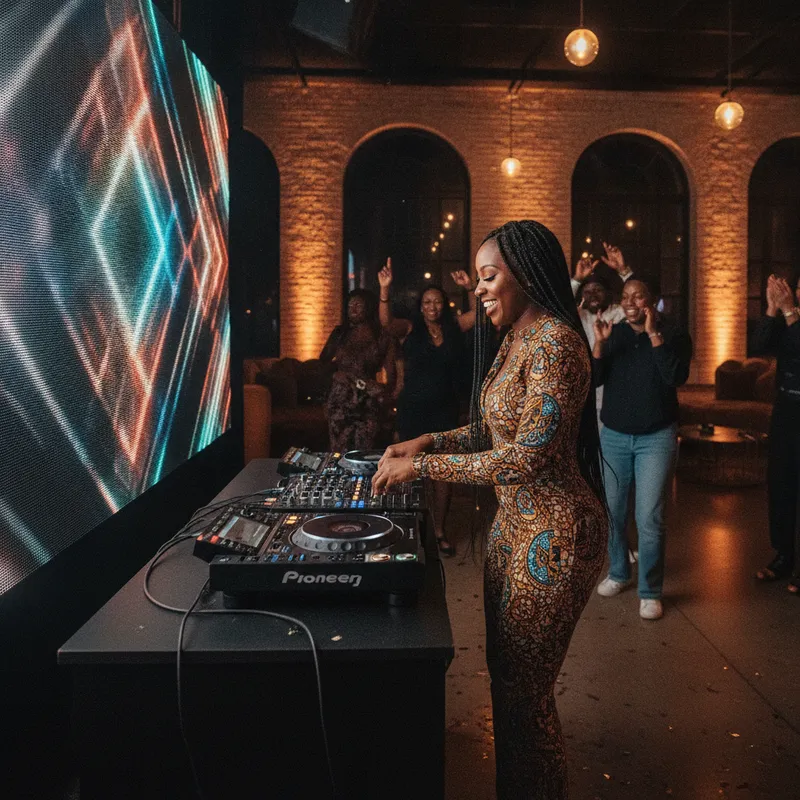
A professional Black DJ, dressed stylishly, confidently mixing tracks on a state-of-the-art console at a vibrant, dimly lit event. Colorful lights illuminate the dance floor where a diverse crowd is moving.
Beyond the Beat: Integrating Cultural Elements and Aesthetics
The music you choose for your event is just one piece of a larger cultural tapestry. To truly immerse your guests, consider how your Soca and Afrobeats selections can inform other elements of your event's aesthetic. If Soca is a dominant theme, think vibrant, carnival-inspired decor with bright colors, feathers, and elaborate backdrops. The menu might feature Caribbean staples like jerk chicken, doubles, or roti, and signature cocktails could be rum-based concoctions. For a deeper dive into specific cultural elements, you might find insights in our article, Nigerian Wedding Traditions Explained: A Complete Guide.
Alternatively, an Afrobeats-centric event could inspire decor with rich earthy tones, Ankara fabrics, and contemporary African art installations. The culinary offerings might include jollof rice, suya, or puff-puff, paired with exotic fruit juices or palm wine. Even dress codes can play a role; encourage guests to wear African print attire or bright Caribbean resort wear. These thoughtful integrations elevate the entire experience, transforming a simple party into a deeply resonant cultural celebration. Need help bringing your vision to life? Find talented decorators on Ajola who understand cultural aesthetics.
The Professional Edge: Why a Culturally Savvy DJ is Non-Negotiable
While you can curate a fantastic playlist, nothing beats the expertise of a professional DJ who deeply understands both Soca and Afrobeats, and more importantly, the nuances of the Black diaspora's musical tastes. A seasoned DJ does more than just play songs; they read the room, adapt to the energy, and possess the technical skill to blend genres seamlessly, creating an ebb and flow that keeps the dance floor packed.
An experienced DJ understands when to drop a classic Buju Banton track, when to transition into a new Afrobeats banger, and how to use instrumentals or acapellas for creative mixes. They know the difference between a Soca chune that moves the crowd and one that falls flat, or which Afrobeats track will resonate most with a specific age group. For events that demand this level of cultural discernment and technical prowess, investing in a top-tier DJ is crucial. Expect to pay anywhere from $700 to $2500 for a 4-6 hour set from a reputable, culturally aware DJ, depending on their experience and the event's location (major cities like Atlanta, Houston, or New York often see higher rates). Don't settle for less when the music is the heartbeat of your celebration. Connect with expert DJs on Ajola who specialize in Caribbean and African music. If you're a DJ looking to connect with these event planners, don't forget that vendors can sign up on Ajola to showcase their services. We also have resources like social media marketing tips for Black-owned event vendors to help you grow your business.
Key Considerations for Your DJ:
Experience with both genres: Ask for specific examples of past events where they've successfully blended Soca and Afrobeats.
Ability to read the room: Can they adapt their setlist based on crowd reaction?
Technical skills: Seamless transitions, beatmatching, and sound quality are paramount.
Cultural understanding: Do they grasp the significance of specific tracks or artists within the diaspora?
Ultimately, the choice between Soca, Afrobeats, or a masterful blend of both, empowers you to craft an event that truly resonates. By understanding the genres, knowing your audience, and leveraging professional talent, you'll create a soundtrack that not only gets guests dancing but also celebrates the rich, vibrant heritage of Black culture.