A gospel DJ is crucial for New Orleans church events, blending spiritual reverence with the city's vibrant musical heritage.
Look for deep genre knowledge, professional equipment, seamless mixing skills, and a strong understanding of church etiquette.
Leverage local church networks and specialized platforms like Ajola to find vetted, experienced gospel DJs.
Budget between $500-$2000+ for a professional gospel DJ, ensuring a clear, detailed contract is in place.
An exceptional gospel DJ curates an atmosphere, engages the audience respectfully, and collaborates to meet event goals.
The spirit of New Orleans is undeniably musical, and for church events, that rhythm often finds its most profound expression in gospel. Forget generic playlists; a truly impactful church event in the Crescent City demands a gospel DJ who understands the nuances, the traditions, and the sheer power of spiritual sound. This isn't just about playing music; it's about curating an atmosphere that uplifts, inspires, and celebrates faith within the rich cultural tapestry of the African American community.
Why a Gospel DJ is Non-Negotiable for New Orleans Church Events
A gospel DJ brings an unparalleled spiritual and celebratory energy, ensuring the music aligns perfectly with the reverence and joy of a church event, while also understanding the unique cultural nuances of New Orleans' Black community. Unlike a generalist DJ, a gospel specialist comprehends the flow of a service, the transition from praise and worship to more contemporary gospel anthems, and even the subtle difference between traditional hymns and modern gospel hip-hop. In a city where music is woven into the very fabric of life, a skilled gospel DJ is the architect of a truly authentic and moving experience, honoring both faith and heritage.
New Orleans' Black churches are often vibrant hubs of community life, hosting everything from anniversary celebrations and youth fellowship events to solemn memorials and spirited revival services. Each occasion calls for a specific musical sensibility. A gospel DJ fluent in the city's unique blend of jazz, R&B, and traditional gospel can navigate these waters with ease, ensuring that the soundtrack is always appropriate, engaging, and deeply resonant with the congregation. They understand how to read the room, adjusting the mood from reflective contemplation to joyous exaltation, making them indispensable for any event aiming to connect on a spiritual and cultural level.
What to Look for in a Premier Gospel DJ
A premier gospel DJ possesses deep expertise in gospel sub-genres, professional-grade sound equipment, a seamless mixing ability, and a track record of reliability and respect for sacred spaces. Beyond just playing songs, they are curators of atmosphere, skilled at blending traditional spirituals with contemporary gospel, and even incorporating uplifting R&B or soulful jazz where appropriate, always with reverence and discernment. Their technical prowess ensures crystal-clear audio, while their understanding of event flow guarantees smooth transitions that enhance, rather than detract from, the spiritual experience.
Deep Musical Knowledge and Cultural Sensitivity
The gospel landscape is vast, encompassing everything from Mahalia Jackson classics and quartet hymns to Tye Tribbett's energetic praise breaks and Kirk Franklin's innovative fusions. A top-tier gospel DJ should demonstrate an encyclopedic knowledge of this spectrum, understanding not just the songs, but their historical and cultural significance. They should also be attuned to the specific traditions and preferences of New Orleans' Black churches, perhaps even incorporating local gospel artists or styles into their sets. Always ask about their repertoire and how they tailor it to different church denominations or event types. Do they understand the difference between a Baptist revival and a Catholic fellowship event? This cultural sensitivity is paramount.
Professional Equipment and Technical Expertise
Even the best music sounds poor on subpar equipment. A professional gospel DJ will arrive with high-quality, well-maintained sound systems (speakers, mixers, microphones), backup equipment, and potentially lighting packages if the event calls for it. Look for DJs who use industry-standard gear like QSC K.2 series speakers, Pioneer CDJ-3000s or equivalent, and robust wireless microphone systems. They should be able to manage sound levels for various spaces, from intimate church halls to larger auditoriums, ensuring every note and word is heard clearly without overwhelming the audience. Don't hesitate to ask about their equipment list and their experience with different venue acoustics.
Experience and Professionalism
Reliability, punctuality, and a respectful demeanor are non-negotiable. A premier gospel DJ will have a solid track record of successful events, backed by glowing testimonials and a professional portfolio. They should communicate clearly, respond promptly, and arrive early to set up and perform sound checks. Their presence should enhance the event, not distract from it. Always check reviews and portfolios on platforms like Ajola before making a final decision. For those looking to find a range of reliable vendors, from photographers to caterers, Ajola offers a curated selection tailored for the Black community, making your search significantly easier.
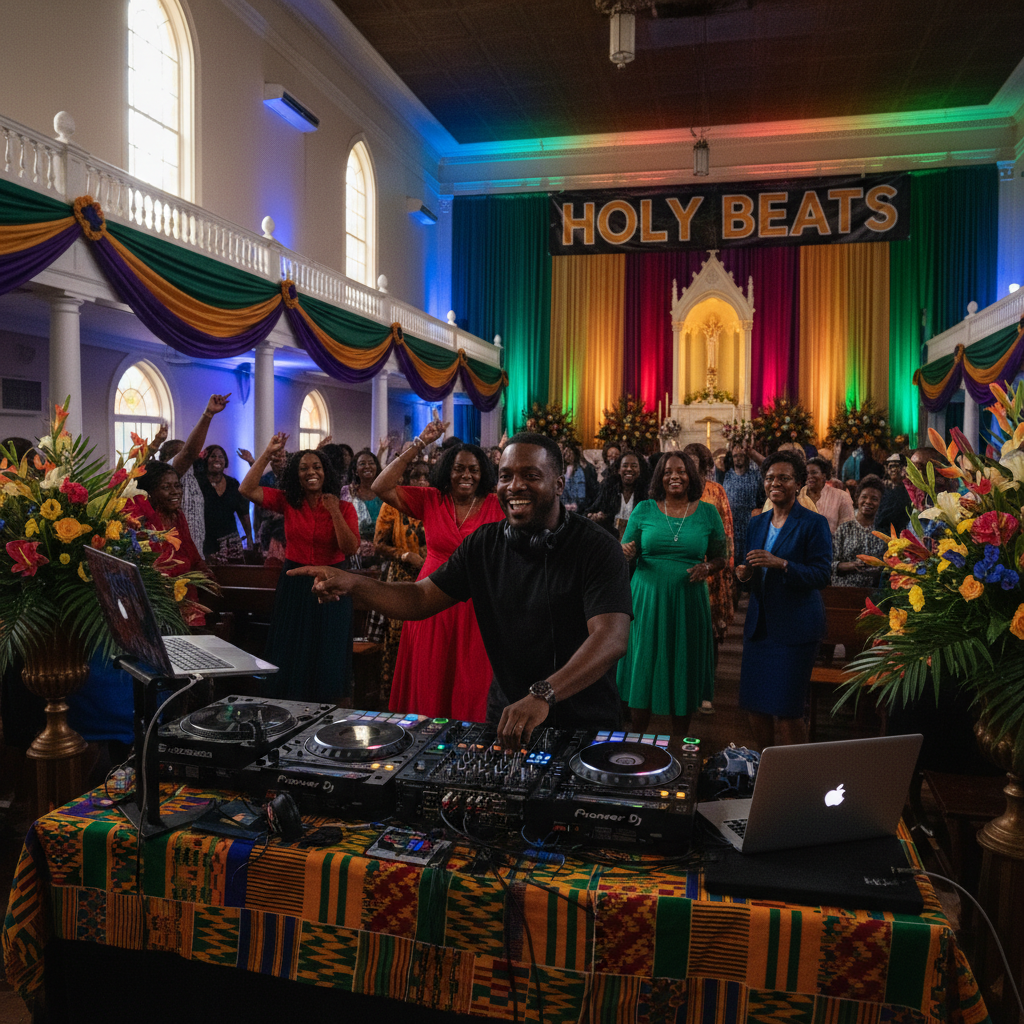
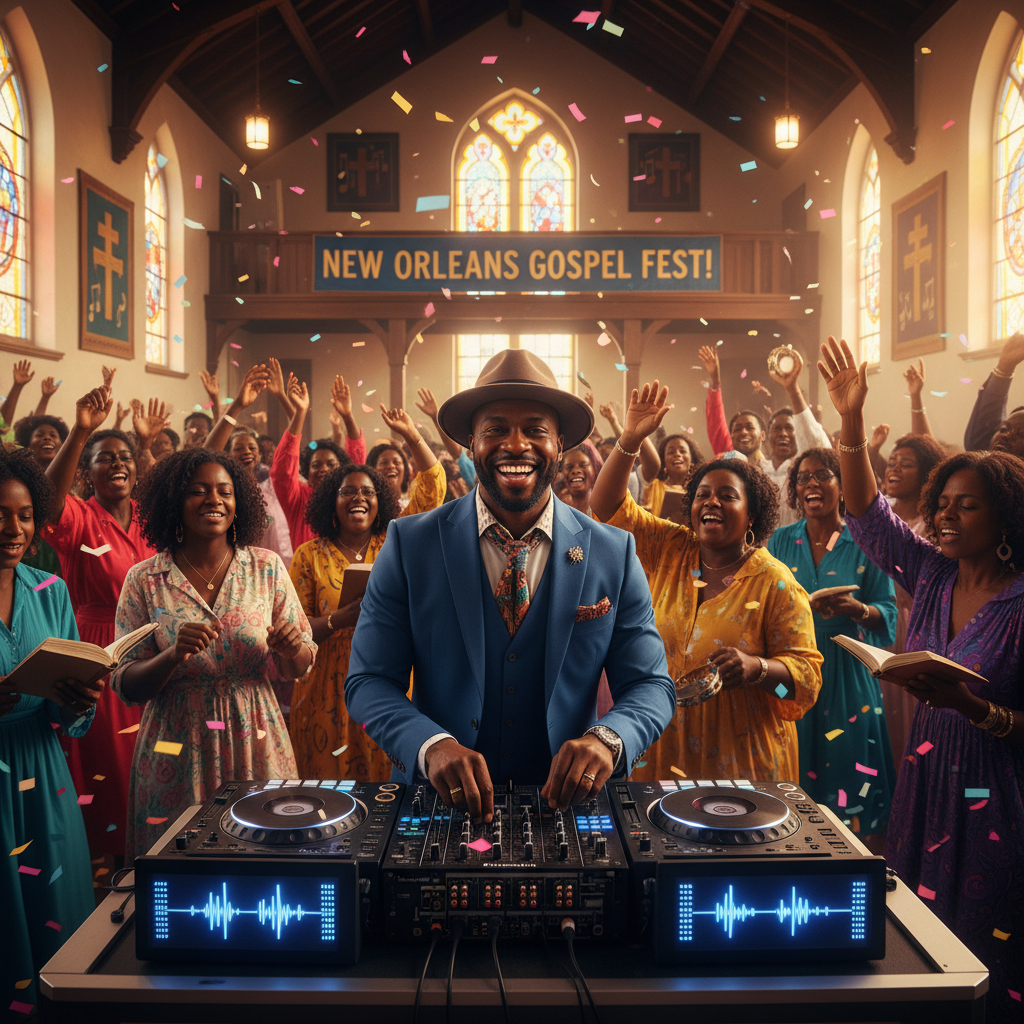
An African American gospel DJ, mid-set, joyfully engaging with a dancing congregation in a beautifully decorated New Orleans church hall, colorful uplighting, smiles all around.
Navigating the New Orleans Gospel DJ Market
Finding the right gospel DJ in New Orleans involves tapping into local church networks, leveraging specialized vendor platforms, and prioritizing DJs with demonstrable experience in the city's unique cultural landscape. The city's close-knit community often means word-of-mouth recommendations are golden, but online resources provide a broader reach and vetting process. Focus on DJs who not only play gospel but live and breathe the spiritual rhythm of NOLA.
Local Church Network Referrals
Start your search within your own church community or by asking trusted members of other prominent New Orleans churches. Pastors, event coordinators, and seasoned churchgoers often have invaluable insights into DJs who regularly perform at sacred events and understand the specific decorum required. These personal endorsements carry significant weight, as they often come from direct experience with the DJ's professionalism and musical alignment with spiritual gatherings.
Online Platforms and Specialized Directories
While local referrals are great, online platforms offer a wider selection and the ability to review portfolios and client testimonials. Finding the right talent, especially in a niche like gospel DJs, can be a challenge, but platforms like Ajola make it easier to browse DJs specializing in various genres, including gospel. Utilize search filters to pinpoint New Orleans-based talent with specific experience in church events. Look for detailed profiles, video clips of past performances, and comprehensive reviews to gauge their suitability.
Interviewing and Vetting Potential DJs
Once you have a shortlist, schedule consultations. Ask probing questions: