How to plan a culturally authentic Afro-Caribbean wedding
March 19, 2026 8 min read Ajola Team
Key Takeaways
Begin your planning by deeply consulting with family elders and incorporating specific cultural elements that define your heritage.
Seek out vendors, especially caterers and entertainers, who possess genuine cultural competence and experience with Afro-Caribbean weddings.
Center your culinary experience around authentic, vibrant Afro-Caribbean dishes and signature beverages that tell your story.
Curate a dynamic atmosphere with music, dance, and entertainment that truly reflects your specific island or regional traditions.
Integrate traditional attire, fabrics, and decor elements to create an aesthetically rich and culturally resonant celebration.
Plan with cultural sensitivity, ensuring rituals, blessings, and guest experiences honor your heritage while managing logistical flow.
Embracing Your Roots: The Foundation of Authenticity
An authentic Afro-Caribbean wedding begins with a deep dive into your family's specific heritage, involving elders and incorporating unique cultural elements that resonate with your specific island or region. This personalization ensures the celebration is not just a wedding, but a vibrant tapestry of your ancestry. Before any vendor bookings or venue walkthroughs, sit down with your parents, grandparents, and other respected family members. Ask about their own wedding traditions, the cultural practices specific to your island (be it Jamaica, Trinidad, Barbados, Haiti, or another vibrant locale), and what elements they believe are non-negotiable for a truly authentic celebration. This might include specific prayers, libations, or the symbolic breaking of bread. Consider integrating elements like unity ceremonies with sand from your ancestral island, or a candle lighting representing the joining of families. The colors of your national flag, traditional proverbs, or even specific floral arrangements can all tell a powerful story about where you come from. Remember, authenticity isn't about rigid adherence to every single historical practice; it's about honoring the spirit and significance of your heritage in a way that feels genuine to you and your partner. This foundational work will guide every subsequent decision, from the menu to the music.
Selecting Vendors Who Understand the Vibe
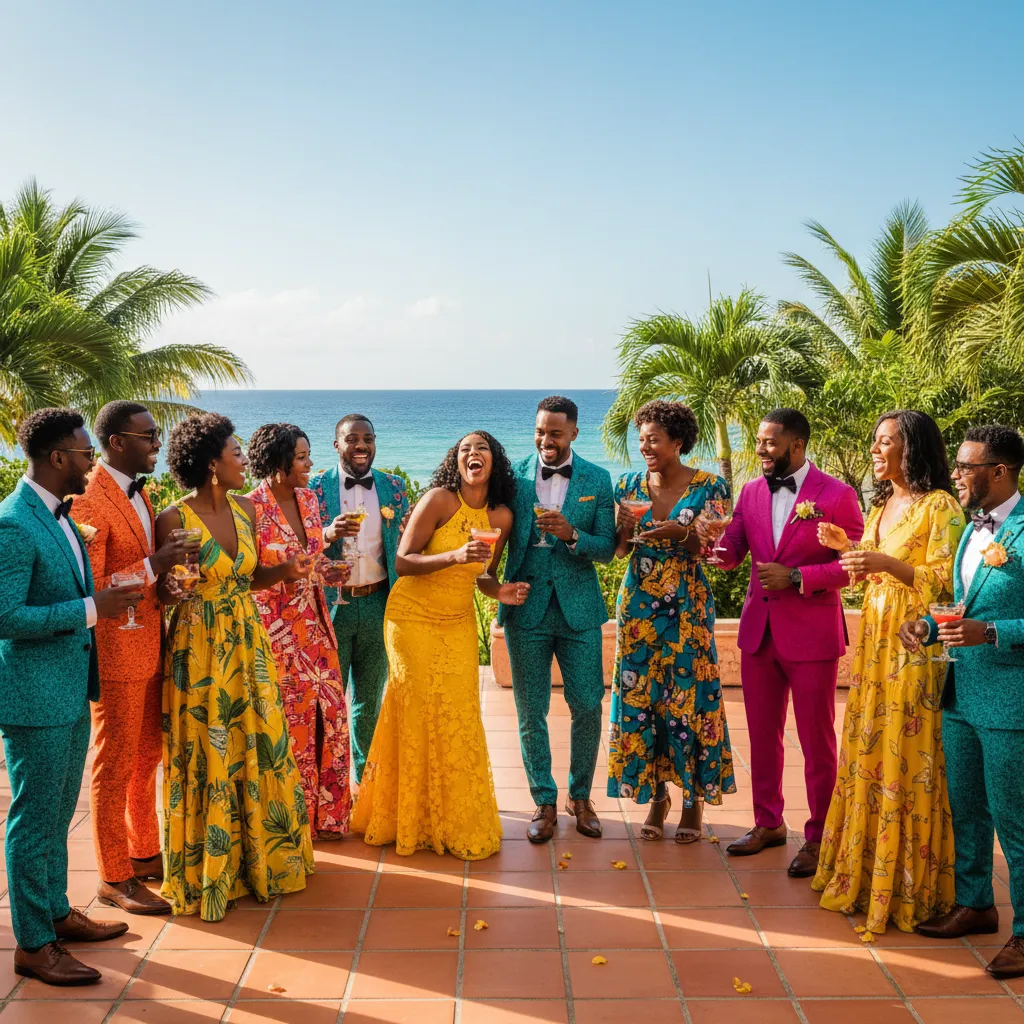
Finding vendors who genuinely understand and appreciate Afro-Caribbean traditions is paramount to ensuring your vision is executed authentically, from the flavors on the plate to the rhythms on the dance floor. Look for professionals with a proven track record and cultural sensitivity, as their expertise will be invaluable. Start by seeking out event planners and coordinators who specialize in culturally diverse weddings or have explicit experience with Afro-Caribbean celebrations. When browsing vendors on Ajola, don't hesitate to ask specific questions: Have they worked with a Bajan wedding before? Do they understand the nuances between Haitian and Jamaican cuisine? A caterer who merely claims to cook "Caribbean food" might not be equipped to deliver the specific, nuanced flavors you desire. Similarly, a DJ needs to know how to seamlessly blend Soca with Reggae, Afrobeats, and R&B, keeping the energy high and the dance floor packed. For photographers and videographers, cultural competence means knowing which moments are most significant – the blessing from an elder, the specific dance steps, or the expressions during a traditional toast. Ask to see portfolios that showcase their work at similar events. A vendor's ability to respectfully engage with your family and understand the flow of cultural rituals is just as important as their technical skills. At Ajola, we empower you to find professionals who align with your cultural needs, ensuring your wedding is handled by experts who genuinely get it. For vendors looking to attract clients like this, remember that building a portfolio that wins clients means showcasing your cultural expertise.A diverse group of Afro-Caribbean wedding guests, dressed in vibrant formal wear.
Infusing Flavor: Culinary Delights and Libations
The culinary experience is a cornerstone of any Afro-Caribbean celebration, with vibrant flavors and traditional dishes serving as a delicious homage to your heritage. Prioritize caterers who can masterfully prepare authentic regional specialties and source appropriate ingredients, as the food often becomes a central talking point. Consider a menu that offers a journey through the Caribbean, perhaps featuring Jamaican jerk chicken or curried goat, Trinidadian doubles or roti, Bajan flying fish and cou-cou, or Haitian griot and diri ak pwa. Don't shy away from offering a variety of rice dishes like rice and peas, dhal puri, or black mushroom rice. On average, a culturally specific menu prepared by an experienced caterer can range from $75 to $150+ per plate, depending on ingredients and complexity, but the investment is worth the authentic taste. For beverages, signature rum punches, sorrel, mauby, or fresh tropical fruit juices are essential. Beyond the main meal, a dessert table featuring traditional sweets like gizzada, rock cakes, or black cake can provide a delightful touch. When you find caterers near you on Ajola, ensure they can provide tasting sessions that reflect the authentic flavors you expect, rather than a generic interpretation.
Rhythms and Revelry: Music, Entertainment, and Dance
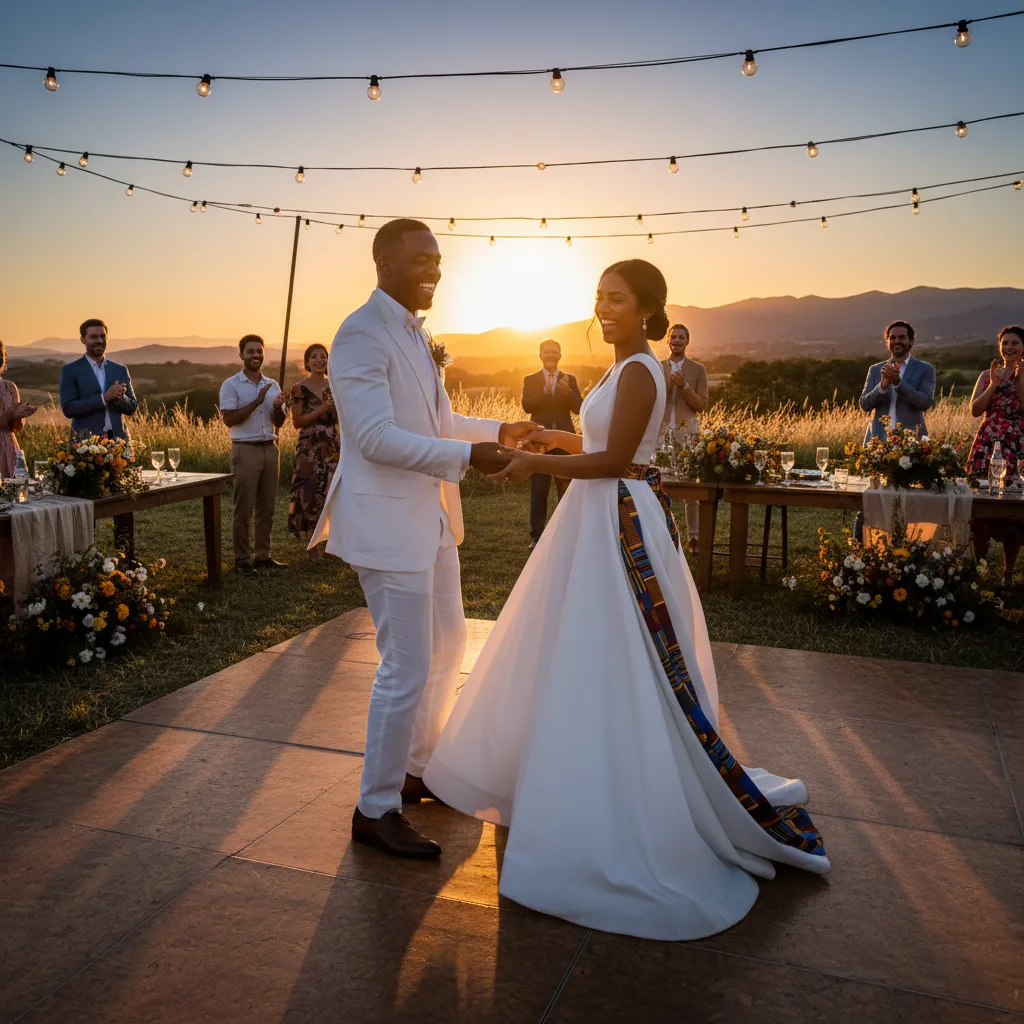
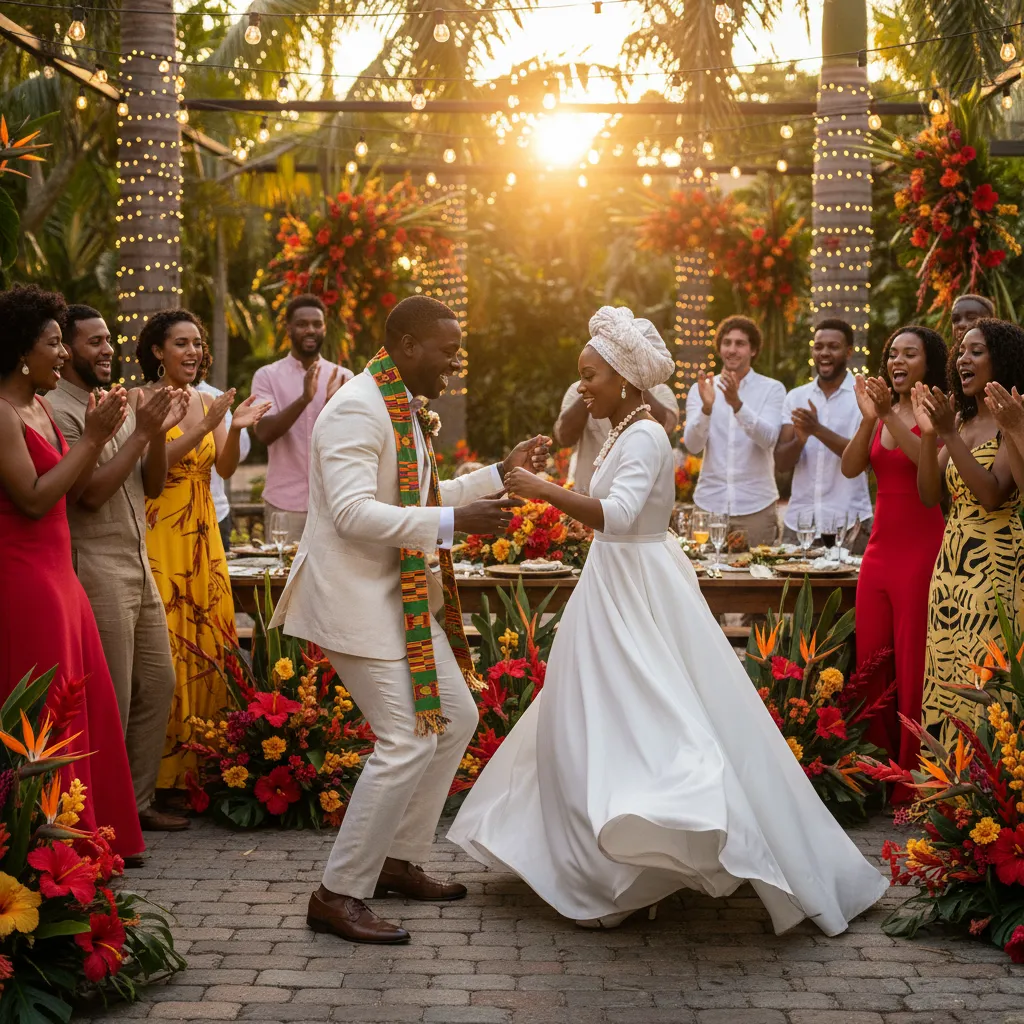
Music and entertainment are the heartbeat of an Afro-Caribbean wedding, setting the tone for joy, celebration, and cultural pride. Selecting the right DJs, live bands, and performers is crucial for creating an atmosphere that encourages spirited dancing and embodies the essence of your culture. A truly authentic experience demands a mix that moves through various genres: the infectious rhythms of Soca, the soulful sway of Reggae, the energetic pulse of Dancehall, and the captivating beats of Afrobeats, alongside classic R&B and Zouk. Hiring a live steel pan band for the cocktail hour can create an immediate island ambiance, while a dynamic DJ or a full Soca/Reggae band can keep the party going all night. Expect to budget anywhere from $2,000 to $7,000+ for a quality live band, while an experienced DJ familiar with Afro-Caribbean music can range from $800 to $3,000. Consider incorporating traditional dance performances or even a dance lesson for guests to participate in popular steps. When you browse DJs on Ajola or search for live entertainment, look for those who explicitly list expertise in Afro-Caribbean genres and have testimonials from past culturally focused events. Their ability to read the room and seamlessly transition between different island sounds will define the energy of your reception.An African American groom in a crisp linen suit smiling broadly as he dances with his bride.
Attire and Aesthetics: Weaving Tradition into Style
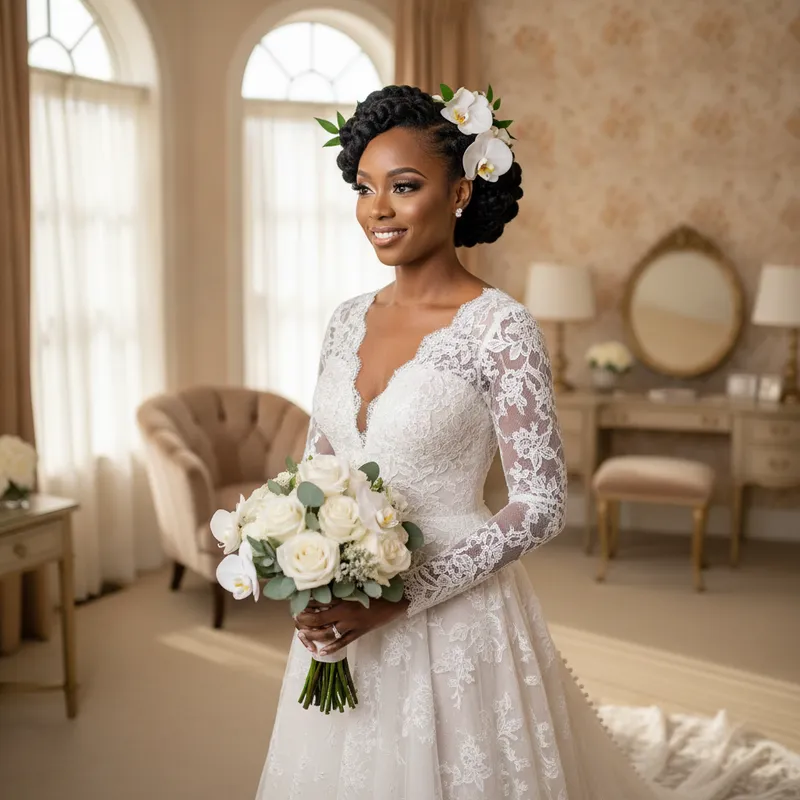
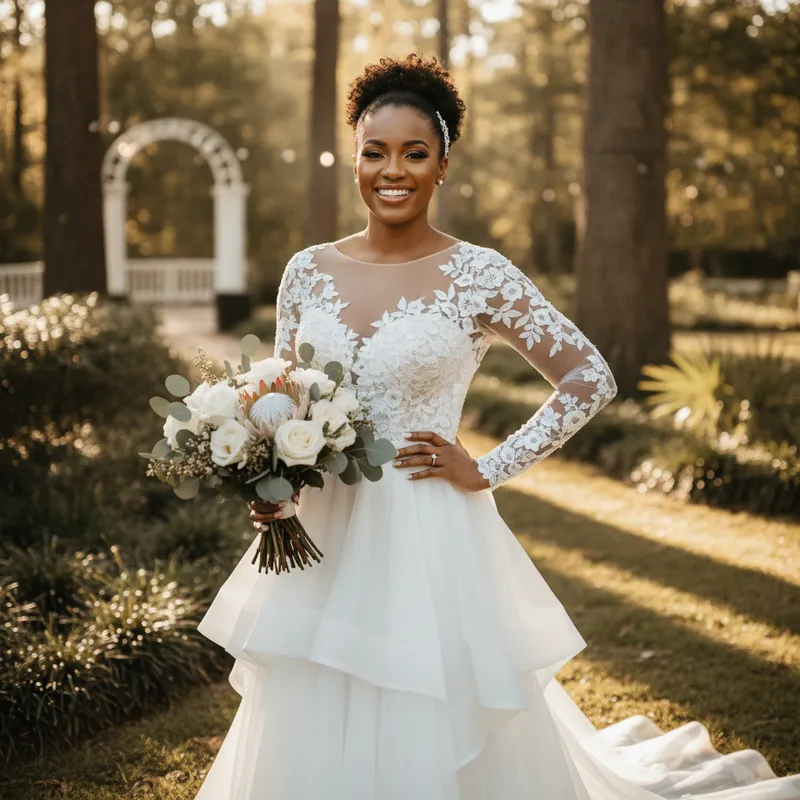
Weaving traditional attire and thoughtful decor elements into your wedding aesthetics creates a visually stunning and deeply meaningful celebration that honors your Afro-Caribbean roots. This involves selecting fabrics, colors, and motifs that tell your unique cultural story. For the bridal gown, consider modern silhouettes enhanced with traditional lace patterns, intricate beadwork, or subtle accents of vibrant African or Caribbean fabrics like Ankara, Kente, or Madras. The groom might opt for a crisp linen suit, a dashiki, or a tailored suit with a vest made from a cultural fabric. Bridesmaids and groomsmen can also incorporate these elements, perhaps through accessories or sashes. The decor should reflect the lushness and vibrancy of the Caribbean. Think tropical flowers like heliconia, anthuriums, and ginger lilies, interspersed with abundant greenery. Color palettes can draw inspiration from natural island landscapes—ocean blues, sunset oranges, verdant greens, and sandy neutrals—or the bold hues of traditional textiles. Incorporate cultural motifs into your stationery, favors, and signage. Elegant lighting, from fairy lights to uplighting in warm tones, can transform any venue into a Caribbean paradise. For inspiration on contemporary decor, including how balloon installations can add a festive touch, you might explore articles like Balloon Decor Trends for Events in 2026. When you look to find decorators on Ajola, be sure to communicate your desire for culturally specific aesthetics.
Navigating Logistics with Cultural Sensitivity
Planning logistics for a culturally authentic Afro-Caribbean wedding requires careful consideration of traditional rituals, guest expectations, and the flow of the celebration to ensure every element is honored smoothly. This includes respecting elders' roles and managing a vibrant, often multi-generational event. The ceremony itself might include specific blessings from elders, a unity ceremony that pours libations to ancestors, or a significant prayer that sets the spiritual tone. Work with your officiant to ensure these moments are seamlessly integrated into the program. Timelines for Afro-Caribbean weddings often embrace a more relaxed pace, sometimes affectionately referred to as "island time," but a clear schedule is still crucial for vendors. Be prepared to build in buffer time, especially around key transition points. Consider the guest experience: welcome bags could include culturally relevant snacks, drinks, or small tokens. Ensure there's comfortable seating for elders and a designated space for children if families are bringing them. Post-wedding brunches are also a popular way to extend the celebration and offer another opportunity for traditional foods and fellowship. Communicating expectations clearly to your bridal party and key family members about their roles in various rituals can help maintain order while allowing for spontaneous joy. With thoughtful planning, your Afro-Caribbean wedding will be a beautiful, vibrant, and deeply personal reflection of your heritage, cherished by all who attend.