Questions to ask African fashion designers and tailors in Atlanta before you book
October 21, 2026 10 min read Ajola Team
Key Takeaways
Always prepare a detailed design brief, including inspiration photos and event specifics, before meeting with an African fashion designer.
Clarify the designer's process for sourcing fabrics, especially for specialty prints or Aso Ebi, and understand how this impacts cost and timeline.
Discuss payment structures, including deposits, installment plans, and any rush fees, and ensure all terms are documented in a written contract.
Schedule fittings strategically, considering Atlanta's traffic, and confirm alteration policies and final delivery logistics.
Prioritize clear communication and establish expectations for response times to ensure a smooth collaboration.
When planning a significant event in Atlanta, from a vibrant wedding celebration to an elaborate anniversary gala, the attire often sets the tone. For many African American and Afro-Caribbean hosts, this means seeking out African fashion designers and tailors in Atlanta who can bring their cultural vision to life. But finding the right creative partner requires asking the right questions. Don't just show up with an idea; come prepared to interrogate their process, capabilities, and commitment to your vision.
Why a Bespoke African Fashion Designer is Essential for Your Atlanta Event
Hiring a bespoke African fashion designer ensures your attire is perfectly tailored to your body, your event's theme, and your cultural heritage, providing a unique and unforgettable statement. Unlike off-the-rack options, custom pieces guarantee a flawless fit, exceptional quality, and the ability to incorporate specific traditional elements or modern interpretations that reflect your personal style and the significance of your celebration.
Atlanta's thriving Black community has fostered a rich ecosystem of creative talent, including designers specializing in African and Afro-inspired fashion. Whether you're envisioning a stunning Kente wedding gown, elegant Ankara ensembles for a bridal party, or a sophisticated Dashiki for a milestone birthday, a skilled tailor is indispensable. They understand the nuances of various African fabrics, intricate embellishments, and traditional silhouettes, translating your ideas into tangible garments that honor your roots. This is especially true for events where cultural authenticity and personalized expression are paramount. From the vibrant colors of West African textiles to the intricate beadwork of East Africa, a custom designer can elevate your event's aesthetic and ensure your attire is a true reflection of your heritage.
Crucial Questions About Design & Customization
Before committing to a designer, delve deep into their creative process and how they handle custom requests to ensure their style aligns with yours. Understanding their approach to design, their ability to interpret your vision, and their flexibility with modifications is critical for a successful outcome.
What is your design process from initial concept to final garment? A good designer will outline their steps: consultation, sketching, fabric selection, measurements, fittings, and final delivery. This helps you understand the journey and benchmarks.
How do you incorporate cultural elements or specific traditions into your designs? Gauge their knowledge and sensitivity to your heritage. Do they have experience with Aso Ebi coordination, specific tribal patterns, or ceremonial wear?
Can you show me examples of previous work, especially similar to what I'm envisioning? Portfolio review is non-negotiable. Pay attention to craftsmanship, finishing, and how they handled diverse body types. Look for variety and skill.
What is your revision policy during the design and fitting stages? Changes are often inevitable. Understand how many revisions are included in the price and what constitutes an additional charge.
How do you handle specific requests for unique fabrics or embellishments? If you have a particular fabric in mind or want specialized beadwork, discuss their capacity to source or execute these details.
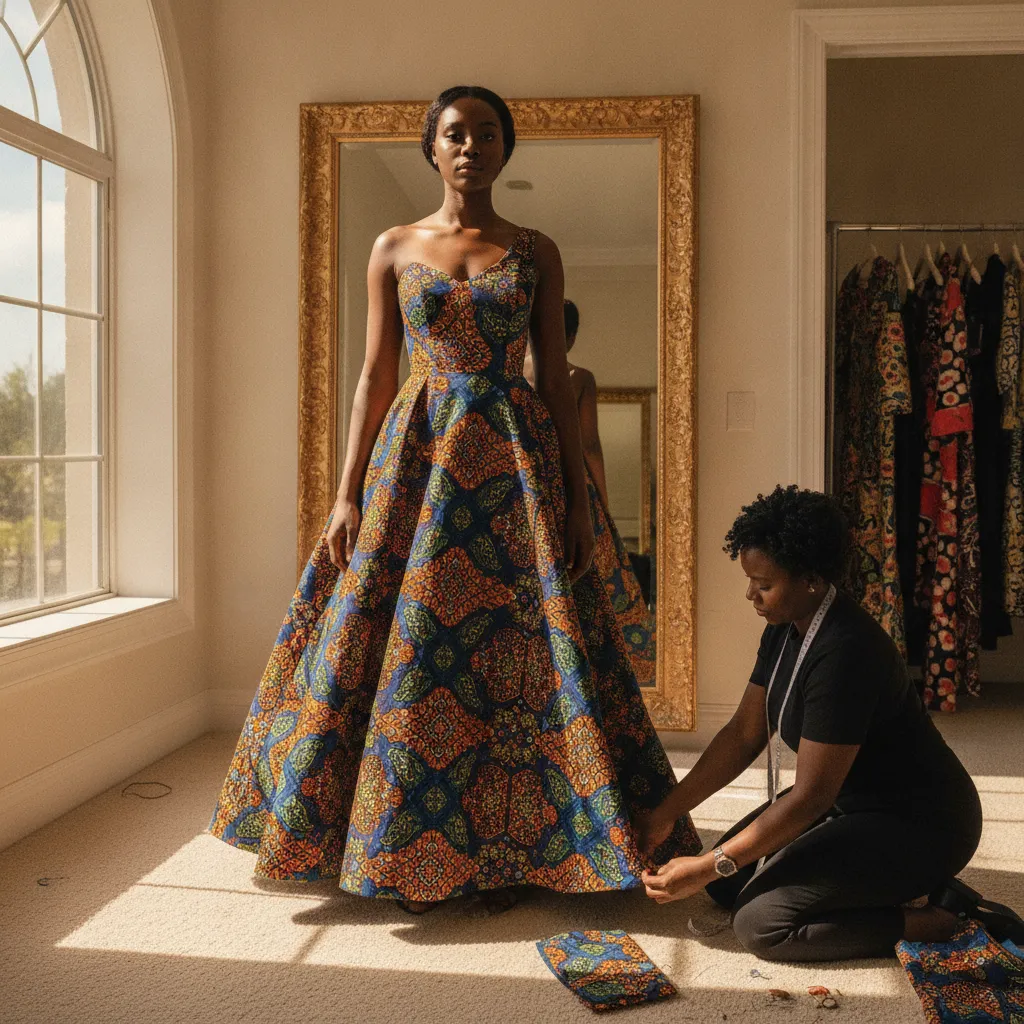
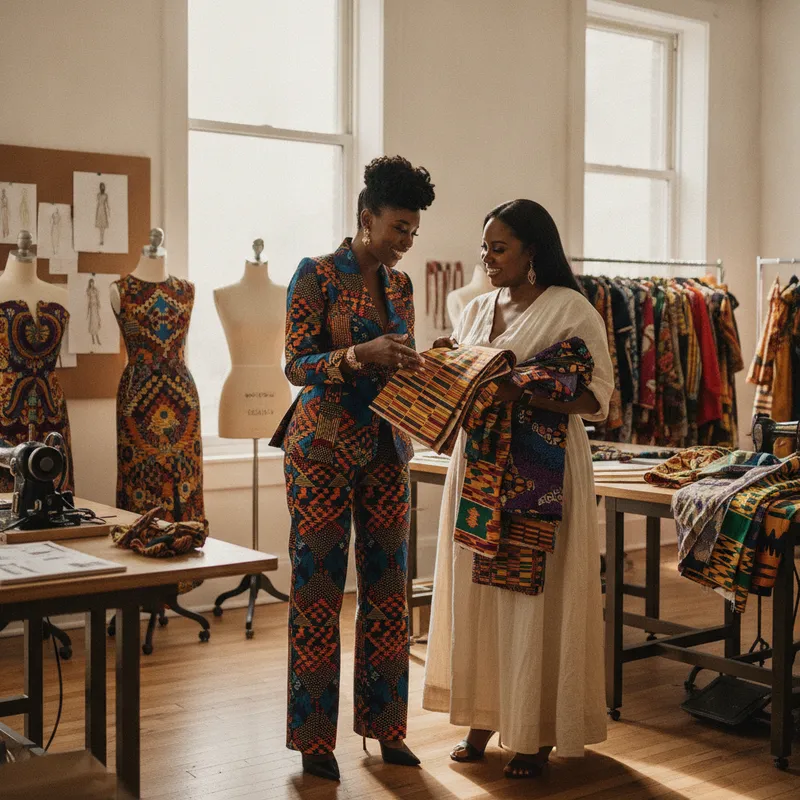
A designer expertly adjusts a custom Ankara gown.
Understanding Materials, Sourcing, and Aso Ebi
The quality and origin of materials profoundly impact the final look and feel of your custom attire, so it's vital to understand how your designer sources fabrics. Discussing this upfront ensures transparency, manages expectations regarding cost, and confirms the availability of specific cultural textiles like Aso Ebi.
Atlanta's diverse market means designers might source fabrics locally from specialty stores around areas like Stone Mountain or Buford Highway, or import directly from West Africa, India, or other regions. This can impact lead times and pricing. For an event requiring Aso Ebi, where uniform fabric is provided to guests, clarify the designer's experience with bulk orders, fabric distribution, and managing multiple garment designs from the same material. Inquire about their preferred suppliers and if they work with specific types of lace, brocade, Adire, or Kente cloth. Discussing material composition is also important, especially given Atlanta's humid summers; breathable fabrics like cotton or silk blends might be preferable for outdoor events. You can browse various African fashion designers and tailors in Atlanta on Ajola who specialize in sourcing unique materials.
Where do you source your fabrics, and can I choose my own? Some designers have preferred vendors; others are open to clients providing fabric. Understand the implications for cost and quality control.
What is your experience with Aso Ebi orders, including sourcing and coordinating multiple garments? This is crucial for large events. Ask about minimum quantities, pricing per garment, and how they handle variations in sizing and style for multiple attendees.
Can you advise on fabric choices suitable for Atlanta's climate, especially for outdoor events? The summer heat and humidity can be intense. A knowledgeable designer will guide you toward comfortable and appropriate materials.
How do you ensure the authenticity and quality of imported fabrics? If authenticity is important to you, ask about their vetting process for suppliers.
Navigating Pricing, Payment, and Production Timelines
Transparent communication about pricing, payment schedules, and realistic timelines is essential to avoid surprises and ensure your custom attire is ready when you need it. A clear understanding of these financial and logistical aspects from the outset builds trust and prevents last-minute stress.
Custom African fashion in Atlanta typically ranges from $150-$500 for simpler designs like a tailored skirt and blouse or a men's dashiki, and can go upwards of $800-$3000+ for intricate wedding gowns, multi-piece ensembles, or heavily embellished formal wear. These figures largely depend on fabric choice, complexity of design, and the designer's experience. Most designers require a non-refundable deposit (often 50% upfront) to cover material costs and secure your slot, with the balance due upon final fitting or delivery. Be sure to ask about payment plans, what happens if you cancel, and if there are any additional costs for rush orders or extensive alterations. For example, if your event is during Atlanta's peak wedding season (Spring/Fall), designers' schedules fill up quickly, and rush fees might apply for tight deadlines. Production timelines usually span 4-12 weeks, but complex projects or Aso Ebi orders for many individuals can take longer. Always confirm the final delivery date, especially when coordinating with other vendors like hair stylists for weddings.
What is your pricing structure for custom designs, including fabric costs and labor? Get a detailed breakdown. Are there separate charges for consultations, sketches, or fittings?
What is your deposit requirement and payment schedule? Understand when payments are due and what methods they accept.
What is your estimated timeline from concept approval to final delivery? Be realistic. If your event is in a few weeks, expect rush fees. For larger events, plan 3-6 months in advance.
Are there any additional fees I should be aware of, such as rush fees, extensive alteration costs, or delivery charges? Clarify all potential hidden costs upfront.
What is your refund or cancellation policy? Understand the financial implications if circumstances change.
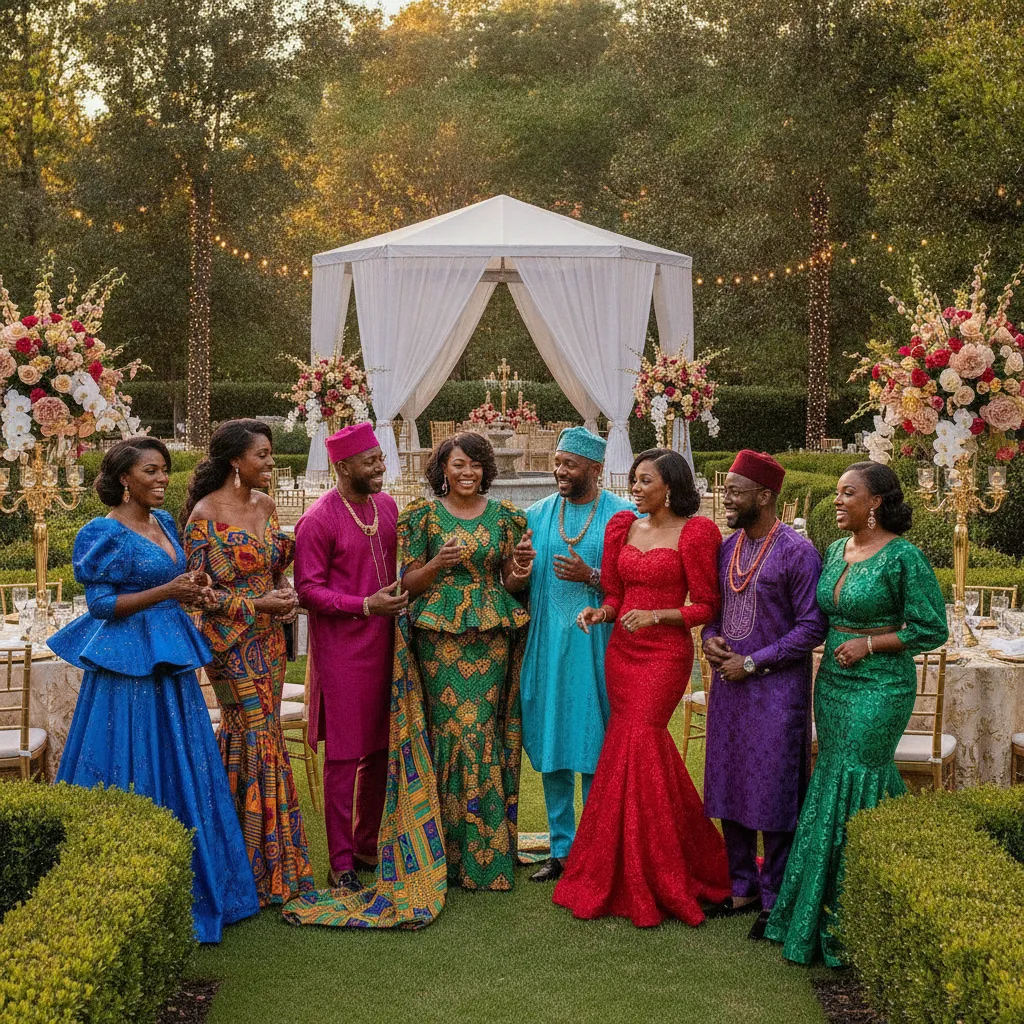
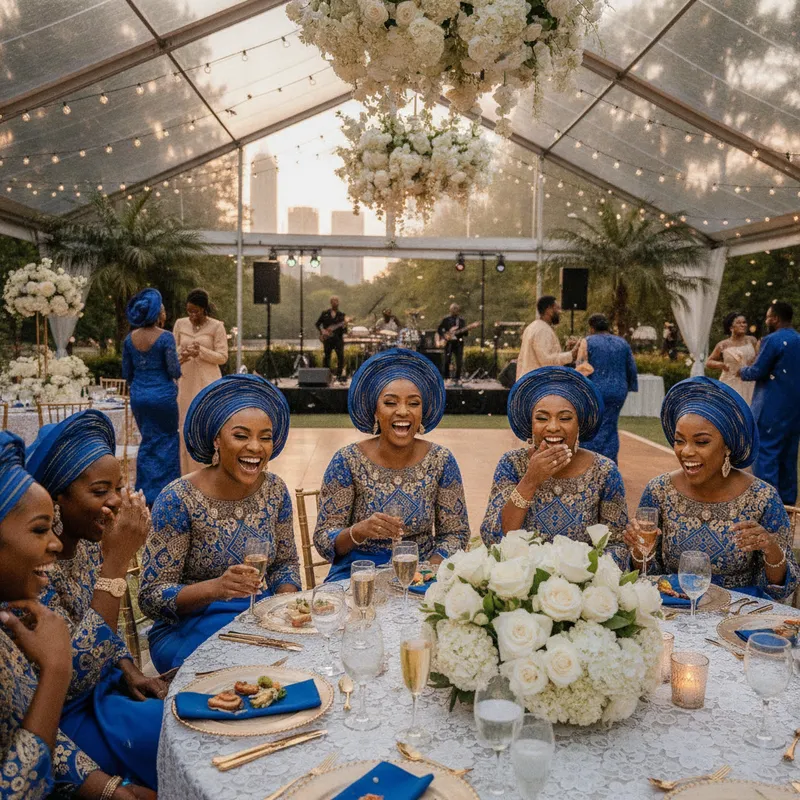
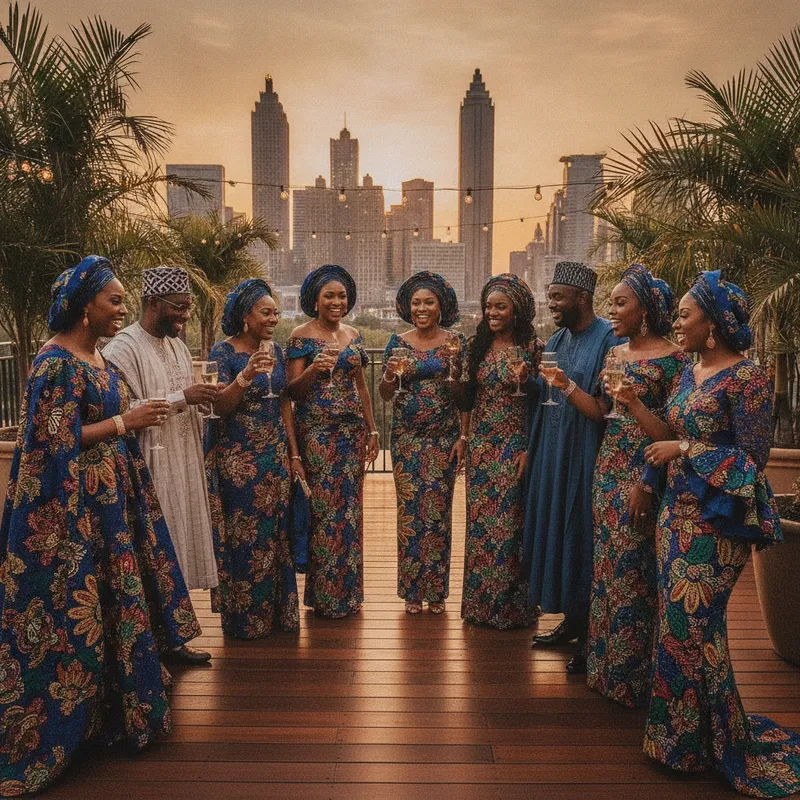
Guests radiating joy in custom African attire at an Atlanta event.
Logistics, Fittings, and Post-Event Care
Seamless logistics, well-organized fittings, and clear guidance on garment care are crucial for a stress-free experience and the longevity of your custom attire. Knowing these details ensures your garment fits perfectly, is delivered on time, and remains in pristine condition for future use.
When scheduling fittings, consider Atlanta's notorious traffic, particularly around the I-285 perimeter or during peak hours on I-75/85. Designers located in different parts of the metro area, from Buckhead to Decatur or Lawrenceville, might have varying accessibility. Ask about their studio location, parking availability, and how many fittings are typically required. For your final fitting, ensure it's close enough to the event date to allow for minor adjustments but not so close that it causes panic if a major change is needed. Discuss how the final garment will be delivered – whether pick-up from their studio, local delivery, or shipping. Also, inquire about care instructions for your unique fabric and embellishments. Some delicate African fabrics require specialized dry cleaning, which designers can often recommend.
How many fittings are typically included, and where do they take place? Confirm the number and location, and if virtual options are available for initial consultations.
What is your policy for alterations after the final fitting? Understand if minor tweaks are included or if additional costs apply.
How will the finished garment be delivered, and what is the timeframe? Clarify pick-up options, local delivery, or shipping arrangements.
What are the recommended care instructions for my custom garment? Specific instructions for washing, ironing, or dry cleaning are vital for preserving your investment.
What happens if the garment doesn't fit correctly on the day of the event? While rare with professional designers, understanding their contingency plan can provide peace of mind.
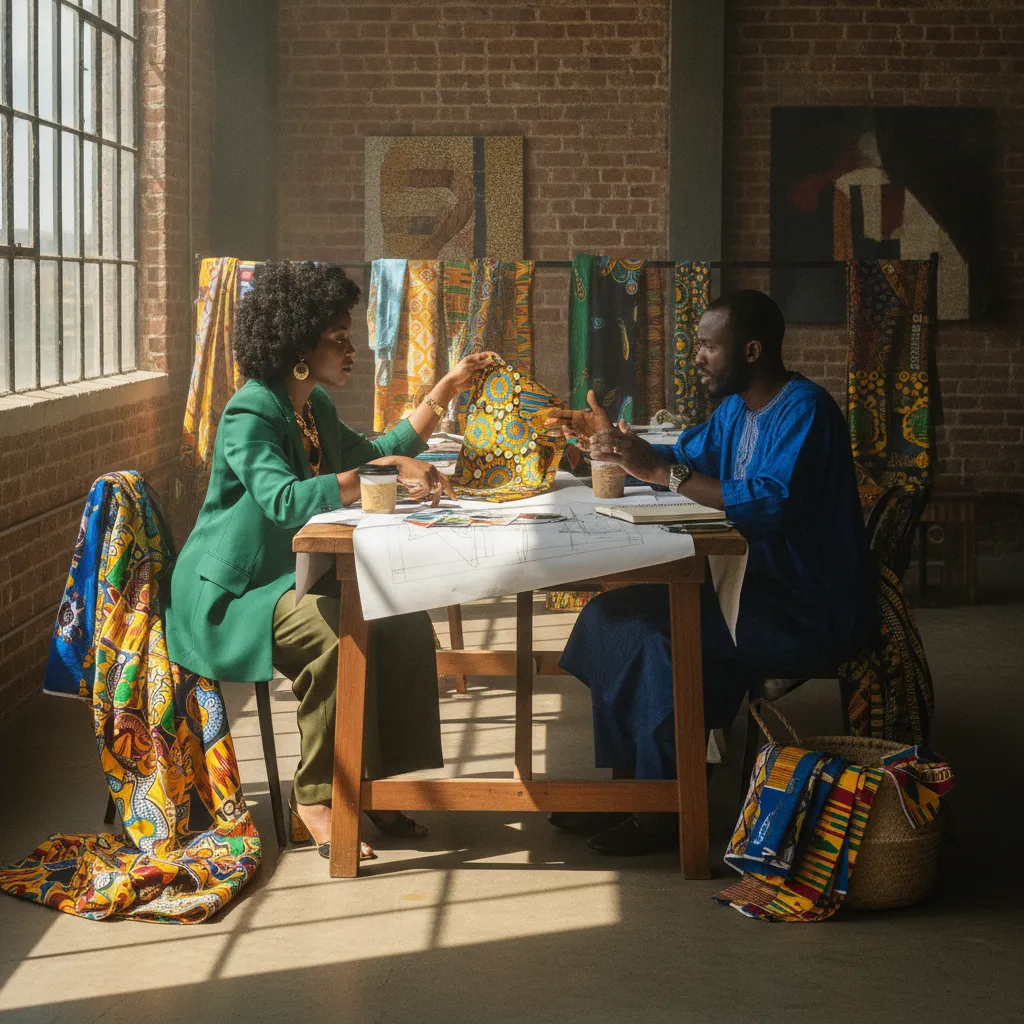
Event planner and designer collaborate on custom event attire.
Ensuring a Smooth Partnership: Contracts and Communication
A clear, written contract and established communication expectations are the backbone of any successful vendor-client relationship, especially when working with creative professionals. These elements protect both parties and ensure that all agreements, deadlines, and deliverables are explicitly understood.
Before any work begins, insist on a written contract detailing all aspects of your agreement. This should include design specifics, fabric choices, pricing, payment schedule, number of fittings, revision policies, production timeline, and delivery date. A comprehensive contract safeguards both you and the designer, preventing misunderstandings down the line. Additionally, discuss their preferred method of communication (email, phone, text) and expected response times. While designers are creative, they are also business owners, and clear communication is paramount. If you're working with DJs, caterers, or bartenders, you expect a contract, and your fashion designer should be no different. Establish check-in points or milestones to track progress, especially for complex projects or those with tight deadlines. Building a relationship based on mutual respect and professional boundaries will lead to the best results for your unique event.
Do you provide a written contract, and what key details does it include? A contract is non-negotiable for protecting both parties.
What is your preferred method of communication and typical response time? Set expectations for how and when you'll hear back.
How do you handle disputes or disagreements during the process? Understanding their conflict resolution process is important, though hopefully not needed.
Can you provide references from previous event clients? While Ajola allows you to read reviews, direct references can offer deeper insights into a designer's client experience.
What is your policy regarding intellectual property for the custom design? While usually not an issue for personal use, it's good to clarify.
Choosing the right African fashion designer in Atlanta is a pivotal step in creating a truly memorable event. By asking these detailed questions, you'll gain clarity on their expertise, process, and commitment, ensuring your custom attire is a masterpiece that perfectly embodies your vision and cultural pride. Ready to find your perfect match? Compare and message African fashion designers and tailors in Atlanta on Ajola today to bring your dream event wardrobe to life.