Questions to ask outdoor and garden venues in Atlanta before you book
November 6, 2026 8 min read Ajola Team
Key Takeaways
Always confirm all-inclusive package details versus à la carte pricing to avoid hidden costs, especially for essentials like rentals and staffing.
Thoroughly investigate weather contingency plans, including indoor backup options, heating, and cooling, crucial for Atlanta's diverse climate.
Clarify vendor policies, including preferred lists, exclusivity, and any fees for outside vendors, to ensure your chosen team can work seamlessly.
Understand logistics such as parking, accessibility, setup/teardown times, and noise restrictions, which directly impact guest experience and event flow.
Review contract specifics like cancellation policies, payment schedules, and liability insurance before signing to protect your investment.
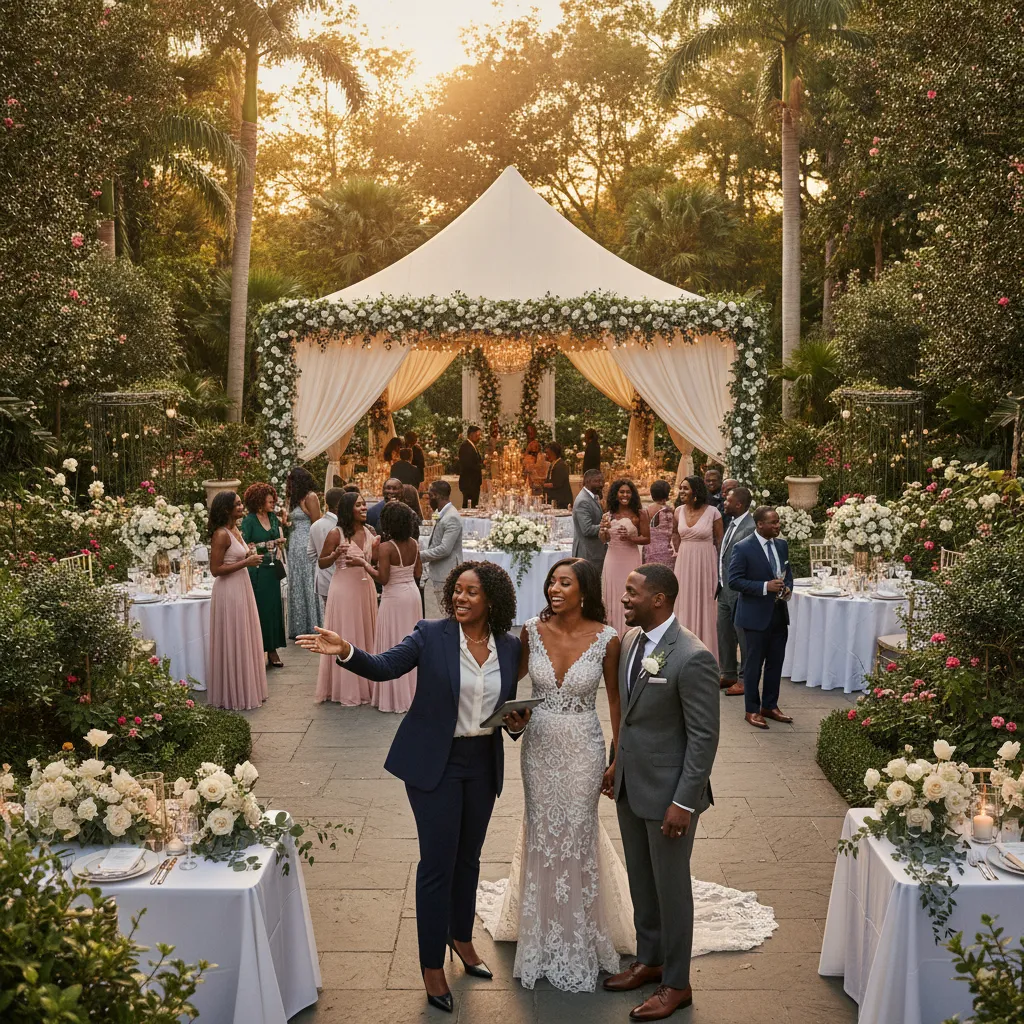
Booking the perfect outdoor and garden venues in Atlanta requires more than just falling in love with a beautiful setting. It demands a strategic approach, asking the right questions to ensure the venue aligns with your vision, budget, and logistical needs. As seasoned event planners and hosts in the African American and Afro-Caribbean communities, we understand the nuances of creating unforgettable celebrations that blend cultural traditions with Southern charm. Here’s what you need to uncover before signing on the dotted line.
What are the true costs and what's included in your packages?
Understanding the actual cost of an outdoor and garden venue in Atlanta goes beyond the initial quoted price; it involves dissecting what's truly included versus what will be an additional expense. Many venues offer packages that seem all-inclusive, but often critical items like basic rentals, staffing, or even essential utilities for an outdoor space are add-ons. You need to know if tables, chairs, linens, basic sound systems, or even dedicated event staff are part of the base fee or if they will significantly inflate your budget.
Always ask for a detailed breakdown of all potential costs. This includes service charges, sales tax, cleaning fees, and any surcharges for specific dates or times. Some venues might charge extra for bringing in outside catering or alcohol, which is especially important for cultural events where specific culinary traditions or beverage preferences are paramount. For example, a venue might quote $5,000 for a five-hour event, but once you add a rain contingency tent, extended hours, security, and a corkage fee for your favorite rum punch, that figure can easily double. Outdoor venues in Atlanta typically range from $2,000 to $15,000+ for a full-day rental, depending on size, amenities, and location (e.g., intown versus sprawling estates in the suburbs like Roswell or Marietta).
Hidden Fees and Essential Inclusions to Clarify
Service Charges & Taxes: Are these included in quoted prices or added on top?
Staffing: Does the venue provide staff for setup, breakdown, guest assistance, or security? If so, how many and for what duration?
Rentals: Are basic tables, chairs, and linens included? What about specialty items, dance floors, or stages?
Utilities & Amenities: For outdoor spaces, confirm access to power, water, restrooms, and adequate lighting for evening events.
Insurance Requirements: Will you need to provide your own event liability insurance, or does the venue offer it?
Cancellation & Rescheduling Policies: Understand the financial implications if you need to change your date or cancel altogether. This is critical, as Atlanta's weather can be unpredictable.
What are your weather contingency plans and climate control options?
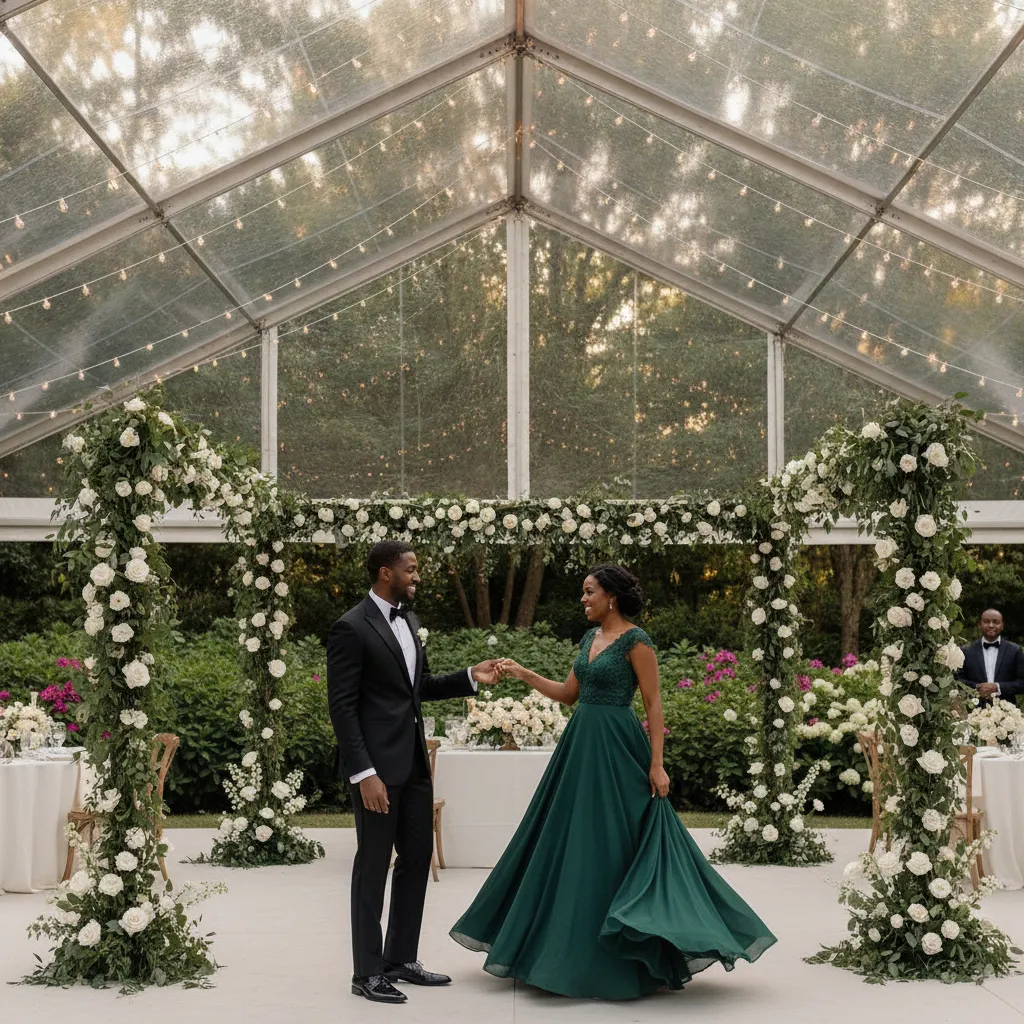
Atlanta's weather can be notoriously unpredictable, swinging from beautiful sunshine to sudden thunderstorms, especially during spring and summer. When considering outdoor and garden venues in Atlanta, having a robust weather contingency plan isn't a luxury; it's a necessity. You must ask about indoor backup options, the capacity of those spaces, and if there are any additional costs associated with activating them.
Beyond rain, consider the intense summer heat and humidity, which can be challenging for guests dressed in formal attire or traditional garments like aso-ebi. Inquire about outdoor cooling solutions like misting fans or shaded areas. For cooler months, ask about heating lamps or portable heaters for guest comfort. A venue that offers seamless transitions between outdoor and indoor spaces, or provides adequate climate control solutions, will save you immense stress and ensure your guests remain comfortable regardless of the elements. Knowing these details upfront allows you to plan accordingly, perhaps even considering a slightly higher budget for a venue that offers a reliable Plan B.
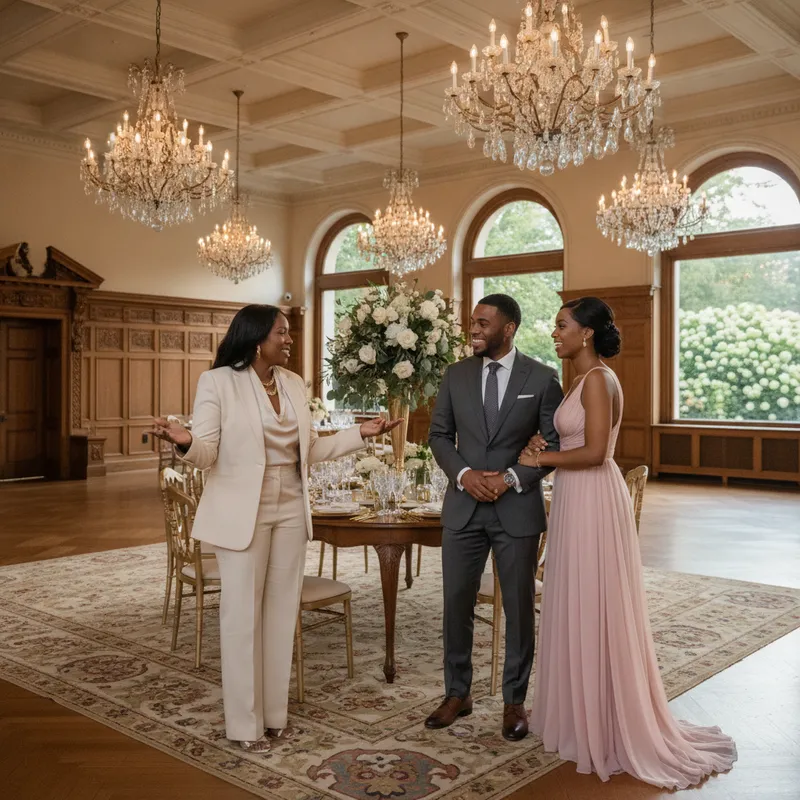
For events like a Yoruba engagement ceremony or a Caribbean fete, where dancing and vibrant energy are central, ensuring guest comfort is paramount. You don't want your guests wilting in the heat or shivering in an unexpected chill. Discuss the logistics of moving an event indoors if needed, including staff assistance and the timeline for such a transition. Some venues have dedicated indoor ballrooms, while others might offer smaller covered patios or event tents. Verify that any alternative space can comfortably accommodate your guest count and all planned activities, including a DJ or live band. For more tips on booking specific vendors, consider exploring articles like MCs and hosts in Atlanta for African and Caribbean weddings.
What are your policies regarding outside vendors, and are there any restrictions?
For many African American and Afro-Caribbean events, selecting specific vendors – from caterers specializing in jollof rice or jerk chicken to DJs who know how to mix Afrobeats, Soca, and R&B – is crucial to capturing the authentic cultural essence. Therefore, one of the most vital questions to ask outdoor and garden venues in Atlanta is about their vendor policies. Some venues have strict preferred vendor lists, requiring you to choose only from their approved selections. Others may allow outside vendors but charge a fee, often called a corkage fee (for alcohol) or an outside vendor fee. This can significantly impact your budget and your ability to personalize your event. For a traditional Nigerian wedding reception, for instance, you might have a specific caterer renowned for their pounded yam and egusi soup, or a baker known for intricate, culturally themed cakes. Similarly, a Caribbean carnival-themed party might require a DJ with a deep understanding of Soca, Dancehall, and Reggae, or a decor specialist who can transform the space with vibrant, tropical aesthetics. Always clarify if there are any restrictions on *who* you can bring in, *what* they can do, and *when* they can access the venue for setup and breakdown. Some venues have strict timelines or require vendors to be licensed and insured, so be prepared to share your vendors' credentials.
How accessible is the venue, and what are your parking and transportation options?
An outdoor and garden venue, no matter how beautiful, loses its appeal if guests struggle to access it or find parking. This is particularly important when considering elderly guests, those with mobility challenges, or families with young children. Ask about ADA compliance for all areas, including pathways, restrooms, and any indoor backup spaces. Is the terrain easy to navigate? Are there paved paths, or will guests be walking on grass or uneven surfaces? For vendors, inquire about load-in access – can caterers, florists, and entertainment easily bring in their equipment?
Parking in Atlanta can be a challenge, so understanding the venue's provisions is crucial. Does the venue offer ample on-site parking for all your guests? Is it complimentary or an additional charge? If parking is limited, do they have arrangements with nearby lots, offer valet services, or recommend ride-share drop-off points? For larger events, consider if shuttle services from designated parking areas or nearby hotels would be necessary. Proximity to public transportation (MARTA) might also be a factor for some guests. Clarifying these logistical details ensures a smooth arrival and departure for everyone, setting a positive tone for your celebration.
What are your security measures and safety protocols?
While you're envisioning a joyous celebration, it's essential to also consider the safety and security of your guests and vendors, especially in an outdoor setting. Inquire about the venue's security provisions. Do they provide on-site security personnel, and if so, for how many hours and how many guards? What are their protocols for managing unexpected guests or potential disturbances? For evening events, adequate lighting throughout the garden pathways, parking areas, and restrooms is non-negotiable. Ask about emergency procedures for medical incidents, fire, or severe weather. Does the venue have first-aid kits readily available, and are staff trained in basic first aid? Understanding these safety measures will give you peace of mind, allowing you to focus on enjoying your event.
For events with a large guest count or specific cultural elements that might attract public attention, having clear security plans in place is even more critical. Discuss any fencing or barriers that define the event space, especially if the venue is open to the public or adjacent to residential areas. A responsible venue will have well-thought-out plans to ensure everyone's well-being from start to finish.
Choosing the right outdoor and garden venue in Atlanta is a significant decision that lays the foundation for your entire event. By diligently asking these detailed questions about costs, weather plans, vendor policies, accessibility, and security, you empower yourself to make an informed choice that aligns perfectly with your vision and budget. This proactive approach ensures that your special day, whether it's a vibrant wedding, a milestone celebration, or a community gathering, unfolds seamlessly and beautifully, creating cherished memories for you and your guests within the charming backdrop of Atlanta's finest outdoor spaces.