How much do aso-ebi vendors cost in Atlanta? 2026 price guide
October 26, 2026 9 min read Ajola Team
Key Takeaways
Aso Ebi costs in Atlanta typically range from $25 to $150 per yard for fabric, plus $50 to $500+ per outfit for tailoring, depending on fabric quality, design complexity, and vendor experience.
Factor in shipping, customization, and rush fees, especially when planning for peak event seasons like summer in Atlanta.
Sourcing directly from a dedicated aso-ebi vendor in Atlanta offers expertise, local fitting options, and often better coordination than piecemeal sourcing.
Bulk orders can sometimes lead to discounts, but always confirm minimums and lead times with your chosen vendor.
Early planning, ideally 6-12 months out, is crucial for securing preferred fabrics and tailoring slots, especially for large groups.
Navigating the vibrant world of aso-ebi for a special occasion in Atlanta requires more than just an eye for exquisite fabric; it demands a clear understanding of costs, logistics, and the value a dedicated vendor brings. For African American and Afro-Caribbean communities in the metro Atlanta area, the tradition of aso-ebi—coordinating outfits for family and friends to signify unity and celebration—is deeply cherished. But what does it truly cost to bring this vision to life with reliable aso-ebi vendors in Atlanta? Let’s break down the typical expenses and considerations for 2026.
What Are the Typical Costs for Aso Ebi Fabric in Atlanta?
The typical costs for aso-ebi fabric in Atlanta vary significantly based on material quality, origin, and design intricacy, generally ranging from $25 to $150 per yard. Premium fabrics like high-quality Swiss voile lace, French lace, or heavily embroidered George fabrics will naturally command higher prices, often starting around $80-$100 per yard and sometimes exceeding $200 for truly elaborate pieces. More common options, such as Ankara (African print cotton), plain satin, or simpler lace fabrics, are more budget-friendly, typically falling within the $25-$75 per yard range. These prices usually reflect the vendor's sourcing and import costs, as much of the authentic aso-ebi fabric is imported from West Africa, Europe, or Asia.
When budgeting for fabric, remember that an adult outfit typically requires 3-6 yards, depending on the style (e.g., a simple wrapper and blouse versus an elaborate gown with a train). Always confirm the yardage needed with your chosen tailor or design concept before purchasing. Local Atlanta aso-ebi vendors often have established relationships with international suppliers, which can sometimes translate into more competitive pricing or access to unique, limited-edition designs not readily available elsewhere. You can explore a curated selection of these local experts by browsing aso-ebi vendors on Ajola.
How Much Does Aso Ebi Tailoring and Customization Cost in Atlanta?
Aso Ebi tailoring and customization in Atlanta can cost anywhere from $50 for a basic outfit to upwards of $500 or more for complex, bespoke designs, with most falling into the $150-$350 range per garment. This cost is heavily influenced by the complexity of the design, the type of fabric, the tailor's experience, and the embellishments required. A simple fitted dress or a men's agbada may be on the lower end, while a heavily beaded gele, an intricate bridal train, or a multi-piece women's ensemble with elaborate embroidery will be significantly higher.
Many Atlanta-based tailors specializing in African and Caribbean attire are highly skilled artists. Their pricing reflects their craftsmanship, attention to detail, and often, their ability to work with delicate or challenging fabrics. When discussing tailoring, be explicit about your design vision, provide clear reference images, and inquire about any additional costs for linings, zippers, embellishments (like stones, pearls, or specific trims), or rush services. Some vendors offer packages that combine fabric purchase with tailoring, which can sometimes provide a slight cost advantage. It's wise to get quotes from at least two to three tailors, especially for larger groups, to compare pricing and ensure their style aligns with your aesthetic. Remember, quality tailoring ensures your aso-ebi looks impeccable and fits beautifully, making it a critical investment.
"The beauty of aso-ebi isn't just in the fabric, but in how it's brought to life. A skilled tailor understands the movement of George lace or the structure of an Ankara print, transforming it into a statement piece. Don't underestimate their craft." - A seasoned Atlanta event planner.
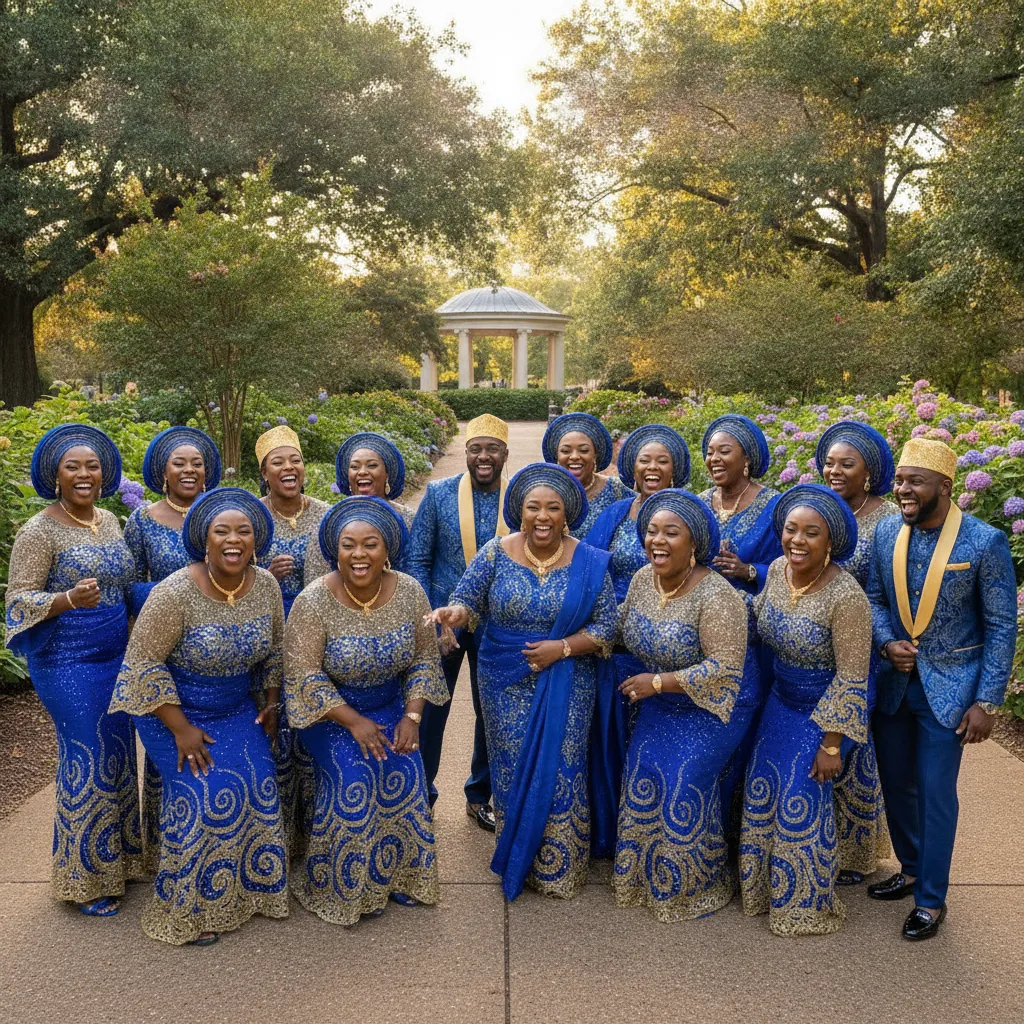
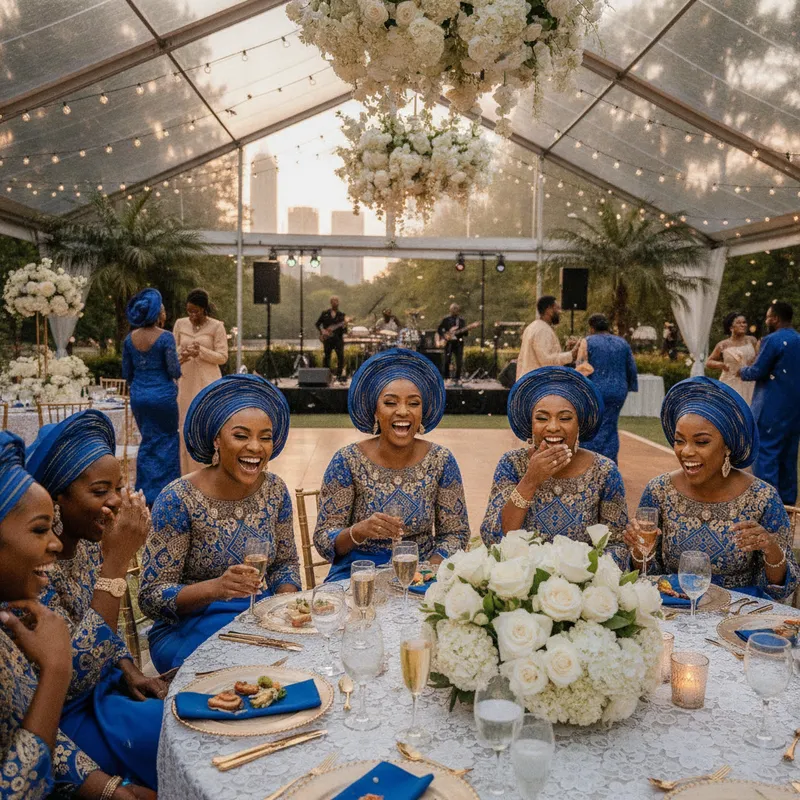
Guests celebrating in stunning aso-ebi attire.
What Additional Fees and Considerations Impact Aso Ebi Budgets?
Beyond the core costs of fabric and tailoring, several additional fees and considerations can impact your overall aso-ebi budget in Atlanta. Understanding these upfront prevents surprises down the line.
Shipping and Import Duties
If your aso-ebi fabric is sourced internationally and shipped directly to you, expect to pay for shipping and potentially import duties. These costs vary depending on the country of origin, package size, and declared value. Working with a local Aso Ebi vendor in Atlanta often means these logistics are handled for you, as they absorb or clearly communicate these charges within their pricing structure.
Rush Fees
Atlanta's event calendar, particularly during peak wedding season (spring and fall), can be incredibly busy. If you're planning an event with a tight turnaround, tailors and even fabric suppliers may charge rush fees. These can add anywhere from 15% to 50% to the total cost, emphasizing the importance of planning ahead. For larger groups, coordinating fittings and deliveries across the sprawling Atlanta metro area (from Marietta to Decatur, or Peachtree City to Alpharetta) requires significant lead time to avoid these extra charges and traffic headaches.
Embellishments and Accessories
The cost of extra embellishments like hand-beading, crystals, custom embroidery, or specialized trims can quickly add up. Similarly, accessories such as matching head ties (gele or auto-gele), caps (fila), statement jewelry, or custom shoes, while not strictly part of the aso-ebi fabric cost, are often coordinated to complete the look and should be factored into the overall budget. Many aso-ebi vendors can also help source or create these complementary pieces.
Logistics for Large Groups
Coordinating aso-ebi for a large group of family and friends can be a logistical challenge. Some vendors offer services for managing group orders, including taking individual measurements (virtually or in-person), tracking payments, and distributing finished garments. While these services might incur an administrative fee, they can save you immense time and stress. Consider the ease of communication and coordination, especially if guests are spread across different Atlanta neighborhoods or even out of state.
How to Find and Evaluate Aso Ebi Vendors in Atlanta
Finding the right aso-ebi vendor in Atlanta is crucial for a smooth and successful experience. Start your search by leveraging platforms like Ajola, where you can easily browse and compare Atlanta aso-ebi vendors, view their portfolios, and read reviews from other event planners. This centralized approach saves you the legwork of searching multiple individual sites.
Portfolio and Experience
When evaluating vendors, carefully review their portfolio. Look for examples of work that align with your desired aesthetic and cultural requirements. Do they have experience with the specific fabrics or styles you're interested in? A vendor specializing in traditional Nigerian attire might have a different expertise than one focused on modern Caribbean designs. Don't hesitate to ask for references or to see physical samples of their work if possible.
Communication and Customer Service
Effective communication is paramount, especially when dealing with custom orders and potentially large groups. Pay attention to how quickly and thoroughly a vendor responds to your initial inquiries. Are they clear about their processes, pricing, and timelines? A good vendor will be patient, offer expert advice, and be transparent about any potential challenges or delays. Given Atlanta's diverse communities, ensure the vendor understands the nuances of your specific cultural traditions.
Pricing Transparency and Contracts
Always request a detailed quote that breaks down all costs, including fabric, tailoring, embellishments, and any potential shipping or rush fees. A reputable vendor will provide a clear contract outlining payment schedules, delivery dates, revision policies, and cancellation terms. Avoid vendors who are vague about pricing or push for cash-only transactions without proper documentation. For other aspects of your event, you might also find value in exploring other vendor categories on Ajola, such as caterers or event decor specialists.
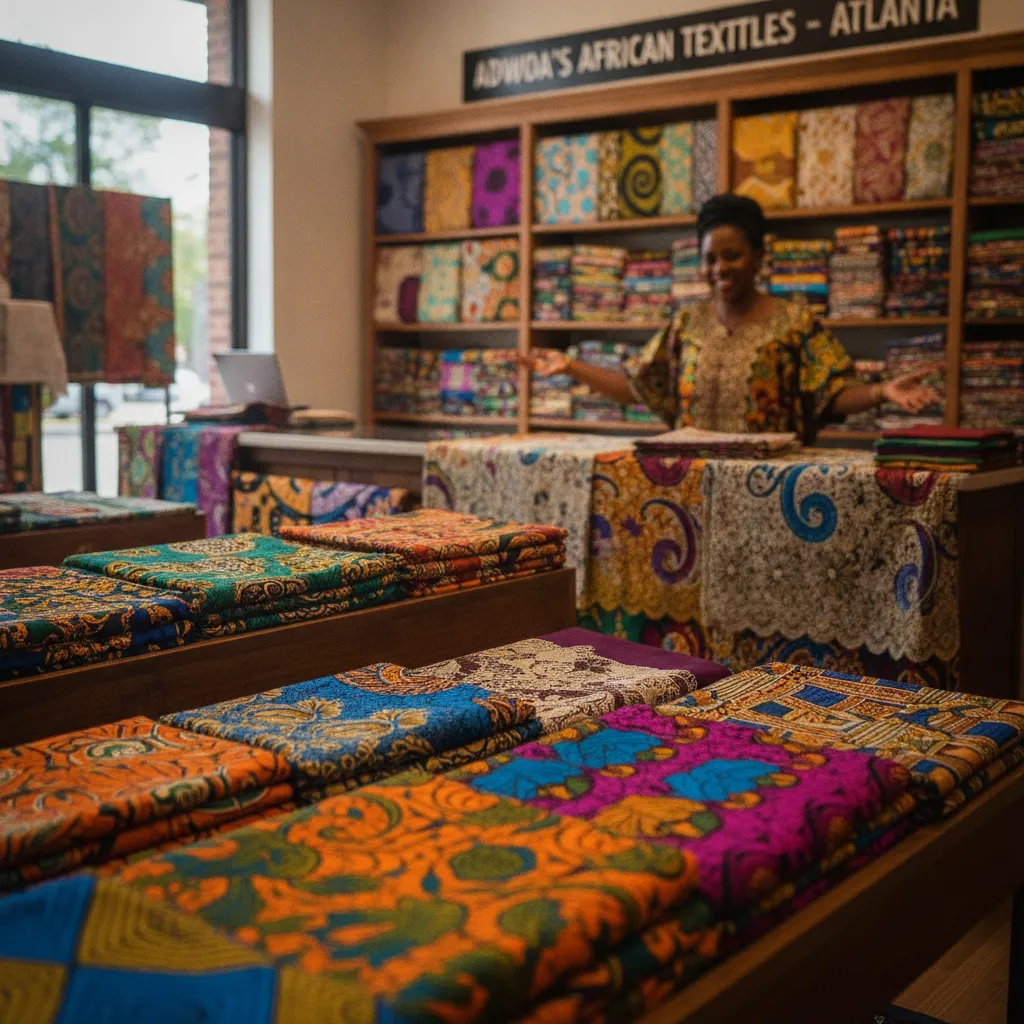
A curated selection of beautiful aso-ebi fabrics.
Tips for Budgeting and Saving on Aso Ebi in Atlanta
Managing costs effectively without compromising on style or quality is key to a successful aso-ebi experience. Here are some actionable tips:
Plan Early: This is the golden rule. Starting 6-12 months before your event gives you ample time to research vendors, compare prices, and avoid rush fees. Early planning also allows for potential bulk discounts and ensures your preferred fabrics are available.
Consider Fabric Alternatives: While premium laces are stunning, more affordable options like high-quality Ankara, brocade, or even specific types of satin can be equally elegant when styled creatively. Discuss these alternatives with your tailor.
Simplify Designs: Elaborate designs with heavy embellishments or complex silhouettes naturally cost more in tailoring. A simpler, well-executed design can be just as impactful and significantly reduce labor costs.
Bulk Orders: If you have a large group, inquire about bulk discounts on fabric purchases or tailoring services. Many Atlanta aso-ebi vendors are willing to offer a reduced rate for significant quantities.
DIY for Minor Elements: For small, non-critical elements like simple head wraps or sashes, consider doing it yourself or enlisting a crafty friend to save on tailoring costs. However, always leave the main garments to the professionals.
Local vs. International Sourcing: While international sourcing might seem cheaper at first glance, factor in shipping, customs, and the inability to inspect fabric quality before purchase. A local Atlanta vendor often provides peace of mind, quality assurance, and easier communication for any issues.
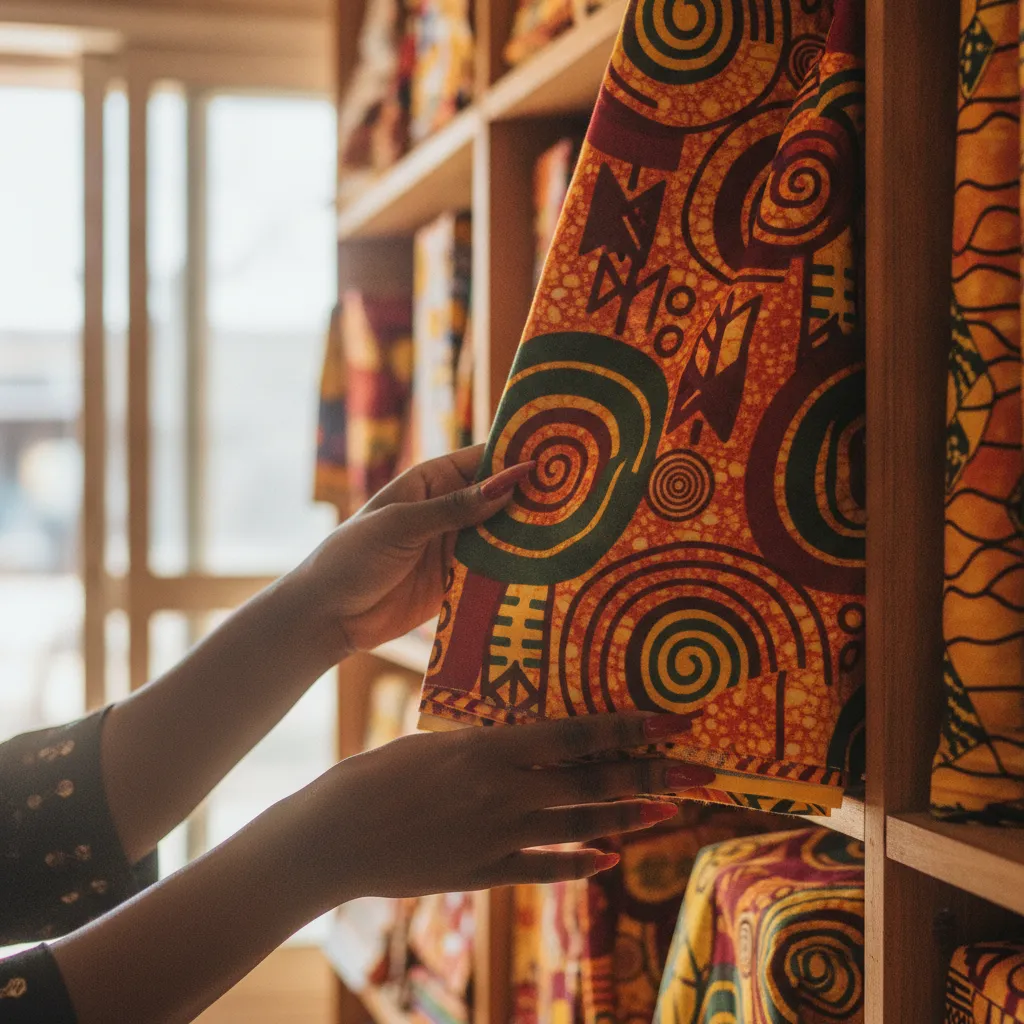
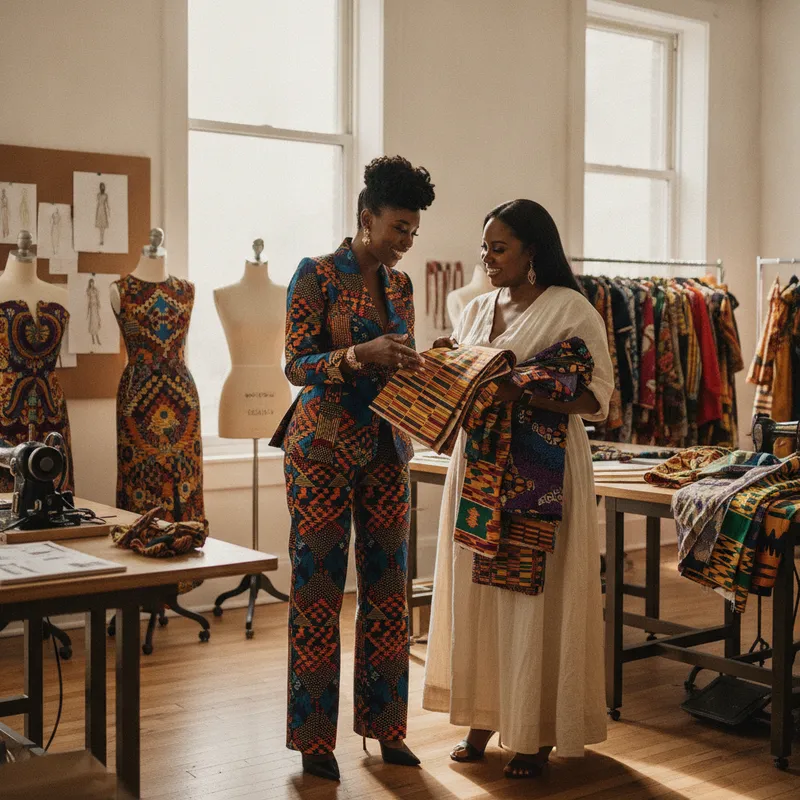
Choosing the perfect fabric for a special occasion.
Maximizing Value with Your Aso Ebi Vendor
Your aso-ebi vendor isn't just a supplier; they're a partner in bringing your cultural celebration to life. Beyond the transaction, they offer expertise, guidance, and often a deep understanding of the cultural significance of aso-ebi. When you work with a vendor found on Ajola, you're tapping into a network of professionals who understand the nuances of African American and Afro-Caribbean events in Atlanta.
A good vendor will advise on fabric suitability for Atlanta's climate (especially the humid summer months), recommend styles that flatter different body types, and ensure timely delivery, which is critical for events with guests traveling from various parts of the city or even out of state. They can also provide valuable insights into current trends while respecting traditional aesthetics. For example, if you're also looking for Black-owned Nigerian caterers in Atlanta, a seasoned aso-ebi vendor might even offer recommendations based on their experience with other local events.
Ultimately, investing in a reputable aso-ebi vendor in Atlanta means investing in quality, reliability, and peace of mind. By understanding the cost factors and leveraging platforms like Ajola, you can ensure your cultural celebration is adorned with stunning, perfectly coordinated attire that honors tradition and creates unforgettable memories. Start comparing and messaging Atlanta aso-ebi vendors on Ajola today to find the perfect match for your event needs.